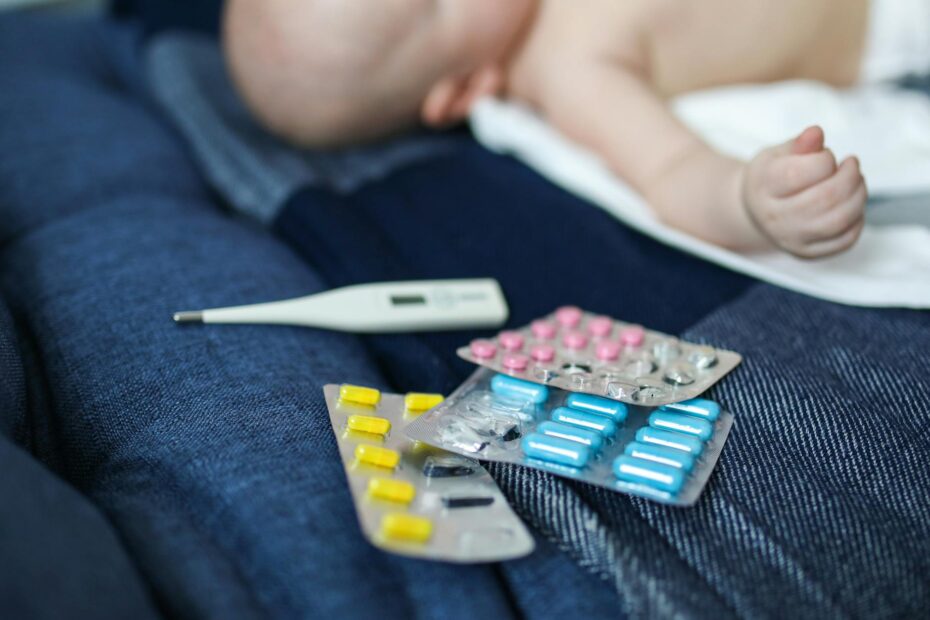
A Beacon of Hope: WHO’s First Malaria Treatment for Our Littlest Ones
It’s incredibly encouraging to see advancements in global health, especially when they focus on the most vulnerable populations. Recently, the World Health Organization (WHO) announced a significant milestone: the prequalification of the first-ever malaria treatment specifically designed for newborns and infants. This is a monumental step forward in combating a disease that disproportionately affects young children.
Prequalification by the WHO is a rigorous process. It means that a product, in this case, a malaria medication, has met international standards for quality, safety, and efficacy. This designation is crucial because it allows organizations like UNICEF and the Global Fund to purchase these essential medicines, making them more accessible to countries that need them most. The WHO’s decision to prequalify this new treatment offers a much-needed beacon of hope for families and healthcare providers dealing with malaria in the youngest age groups.
Why This New Treatment is a Game-Changer for Infant Health
This new malaria treatment represents a monumental leap forward for infant health because it directly addresses a critical gap in pediatric medicine. Historically, treating malaria in newborns and very young infants has been incredibly challenging. Their developing bodies metabolize drugs differently than older children or adults, making precise dosing and suitable formulations difficult to achieve. This often meant adapting adult medications, which carried risks and reduced drug efficacy for the youngest patients.
Malaria in infants can progress rapidly and is often more severe, leading to devastating health outcomes and tragically contributing significantly to child mortality in affected regions. The availability of a malaria treatment specifically designed and prequalified by the WHO means that healthcare providers now have a reliable, safe, and effective tool tailored for these vulnerable patients. This medical advancement ensures that the medication meets stringent safety standards and is appropriate for their unique physiological needs, aligning with crucial WHO guidelines.
By providing a targeted solution, this development strengthens global health initiatives aimed at reducing the burden of infectious diseases. It significantly improves healthcare access for the youngest populations, fostering greater health equity and moving us closer to achieving sustainable development goals related to child survival. This isn’t just about treating an illness; it’s about robust disease prevention and giving every child a better chance at a healthy start in life, reinforcing the importance of public health efforts worldwide.
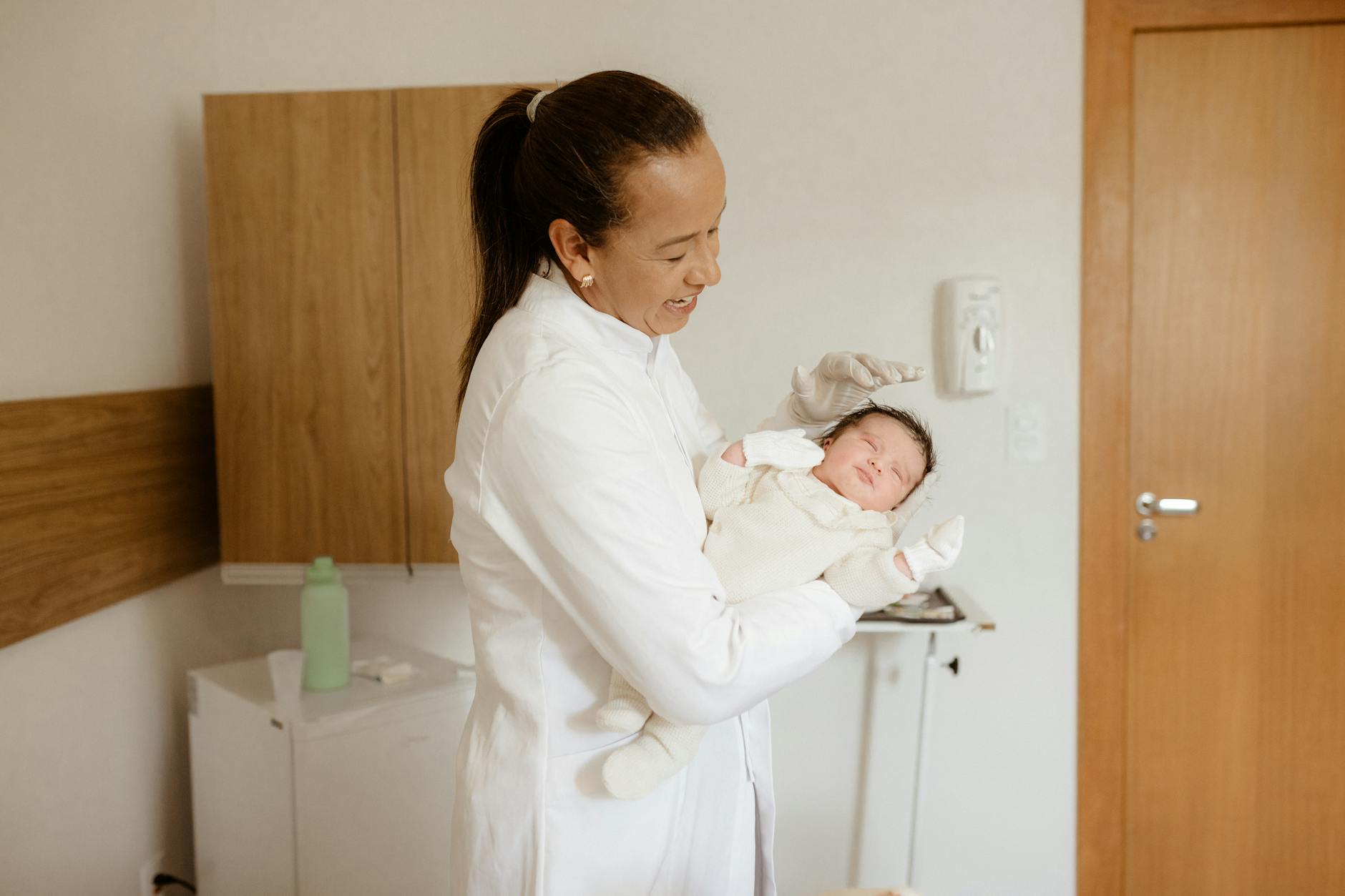
Beyond Treatment: The Power of New Diagnostic Tools in the Fight Against Malaria
While a new, effective treatment is a monumental step, the fight against malaria also relies heavily on accurate and timely diagnosis. The World Health Organization (WHO) recently highlighted another crucial advancement: the prequalification of new diagnostic tests for malaria. These tests are vital because they help healthcare professionals quickly identify who has malaria and, importantly, which specific type of malaria parasite is causing the infection. This precision is key, as different malaria parasites can require slightly different treatment approaches.
Having reliable diagnostic tools means that treatment can begin much sooner. For infants and newborns, where malaria can progress very rapidly, this speed is absolutely critical. Early diagnosis allows for prompt initiation of the correct therapy, significantly improving the chances of a full recovery and reducing the risk of severe complications. The WHO’s prequalification process ensures these new diagnostic tests meet high standards for accuracy and reliability, giving doctors and patients confidence in the results. This development, alongside the new treatment, strengthens the overall strategy for managing malaria, particularly in vulnerable populations.
What This Milestone Means for Families and Global Child Health
For families living in regions where malaria is a constant threat, the recent announcement from the World Health Organization brings immense relief and renewed hope. Imagine the profound anxiety of a parent whose newborn or infant is battling malaria, knowing that suitable treatments were historically scarce or difficult to administer. The WHO prequalifies first-ever malaria treatment specifically for these vulnerable age groups means that parents can now have greater confidence that their children will receive appropriate and effective care. This isn’t just about a new medicine; it’s about alleviating the emotional and financial burden on families, allowing them to focus on their child’s healthy development rather than a fight for survival.
From a global child health perspective, this milestone represents a powerful step forward in reducing the devastating impact of infectious diseases. Malaria has long been a leading cause of illness and death among young children, particularly in sub-Saharan Africa. By ensuring access to safe and effective pediatric malaria treatment, we are directly addressing a critical barrier to child survival and well-being. This advancement strengthens healthcare systems in endemic areas, empowering local healthcare providers with the tools they need to save lives. It also sets a vital precedent for future research and development in pediatric medicine, encouraging the creation of more tailored solutions for children’s unique physiological needs across various health challenges.
Ultimately, these developments contribute significantly to improving the overall quality of life for millions of children worldwide. When children are healthier, they can attend school, grow, and thrive, contributing to the long-term social and economic development of their communities. This collective effort in public health initiatives underscores our commitment to ensuring every child, regardless of where they are born, has the opportunity for a healthy start in life.
Scientific References
This article was developed based on peer-reviewed research. For more detailed clinical data, please refer to the original study:
- Study: WHO prequalifies first-ever malaria treatment for newborns and infants, adds new diagnostic tests (Recent)
Support Our Research
If you found this evidence-based article helpful, consider supporting Dr. Julian Hayes and The Health Desk’s mission to make scientific research accessible to everyone.
☕ Support with Credit Card or Crypto
Secure payments via NOWPayments.