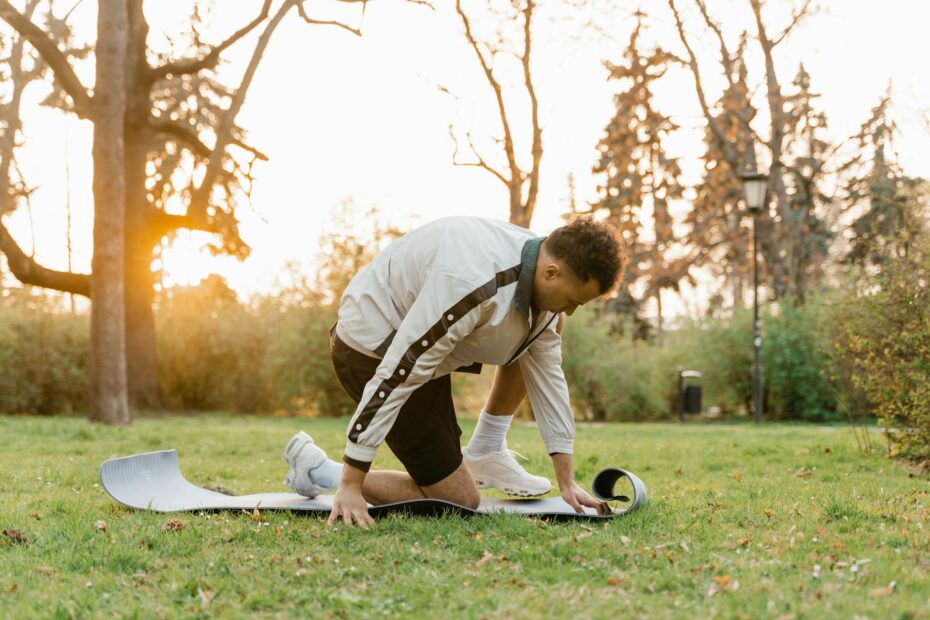
The Surprising Link Between Fitness and Longevity After 40
It might seem intuitive that staying active is good for you, but the profound impact of your fitness level on how long and how well you live, particularly as you move past your 40s, is truly remarkable. A recent report from Healthline, titled ‘Your Fitness Level After 40 Can Add Years to Your Life and Boost Health,’ highlights just how crucial maintaining physical activity is for long-term longevity and overall health.
This isn’t just about looking good; it’s about fundamental biological processes. Regular physical activity helps improve insulin sensitivity (how well your body’s cells respond to insulin). This is a key factor in preventing or managing conditions like type 2 diabetes and metabolic syndrome, which are closely tied to insulin resistance. When your cells are more responsive, your body doesn’t need to produce as much insulin, reducing the strain on your pancreas and promoting better metabolic health.
The beauty of midlife fitness is that it’s never too late to start reaping these rewards. Engaging in consistent exercise, whether it’s brisk walking, cycling, swimming, or strength training, can significantly add years to your life and dramatically boost health. It’s about making a commitment to a healthy lifestyle that prioritizes movement, helping to maintain muscle mass, bone density, and cardiovascular function, all of which are vital for a vibrant, active future.
How Exercise Fights Age-Related Health Risks
Beyond its well-known benefits for insulin sensitivity (how effectively your body uses insulin), regular physical activity plays a crucial role in combating a spectrum of age-related health risks. As we get older, our bodies naturally become more susceptible to certain challenges, but embracing an active lifestyle can significantly mitigate these. For instance, chronic low-grade inflammation, often referred to as ‘inflammaging,’ is a silent contributor to many age-related conditions, from heart disease to certain cancers. Engaging in consistent exercise helps to dampen this inflammatory response, essentially calming the body’s internal environment and reducing the wear and tear on our cells and tissues.
Moreover, the impact of your fitness level extends to our brain health. Studies consistently show that an active lifestyle can help preserve cognitive function as we age, reducing the risk of memory decline and even conditions like dementia. When you exercise, you improve blood flow to the brain, which delivers vital oxygen and nutrients. It also stimulates the production of brain-derived neurotrophic factor (BDNF), a protein that supports the growth of new brain cells and connections, essentially keeping your brain sharper and more resilient.
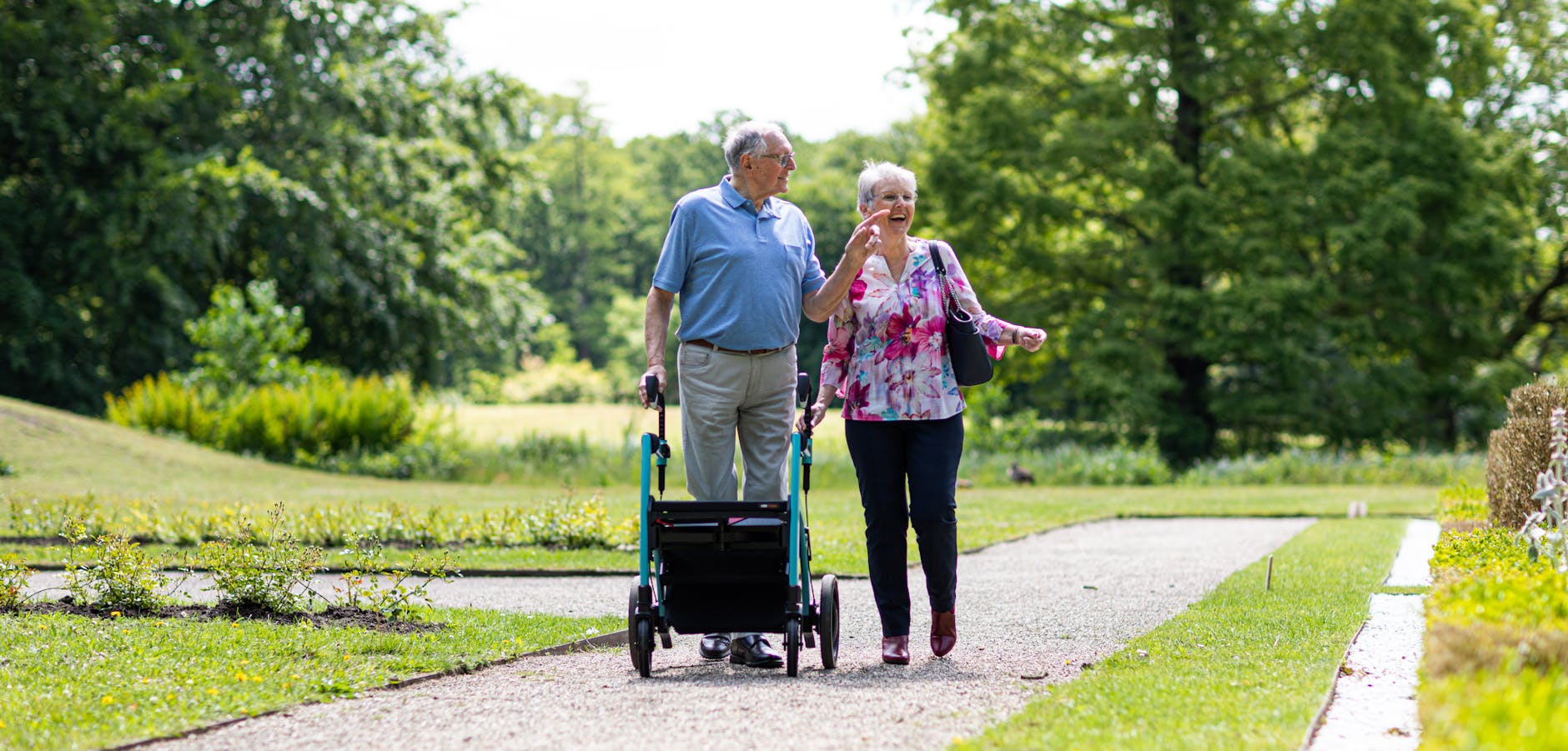
This proactive approach to healthy aging also strengthens our immune system, making us better equipped to fight off infections and diseases that become more prevalent with age. Furthermore, maintaining cardiovascular health through regular exercise helps keep blood pressure and cholesterol levels in check, directly lowering the risk of strokes and heart attacks, which are significant age-related health risks. It’s clear that incorporating physical activity into our daily routine isn’t just about feeling good in the moment; it’s a powerful strategy for long-term health and vitality, helping us navigate the challenges of aging with greater strength and resilience against chronic diseases.
Building a Sustainable Fitness Routine for Lasting Health
To truly harness the power of physical activity for your long-term well-being, the key lies in building a sustainable fitness routine – one that you can genuinely stick with. It’s not about sudden, intense bursts of exercise that quickly fade, but rather about creating consistent exercise habits that become a natural part of your daily life. As a recent Healthline report highlighted, maintaining your fitness level, particularly as you age, is a powerful way to significantly boost overall health.
The first step is often the hardest, but it doesn’t have to be overwhelming. Start small and choose activities you genuinely enjoy. Whether it’s brisk walking in your neighborhood, dancing to your favorite music, gardening, or swimming, finding joy in movement is crucial for long-term motivation. Setting realistic fitness goals is also vital; aim for progress, not perfection. For example, if you’re new to exercise, begin with 10-15 minutes of moderate activity a few times a week and gradually increase the duration or intensity as your body adapts. This gradual approach helps prevent burnout and injury, making your journey toward an active lifestyle much more enjoyable and achievable.
Consistency truly is more important than intensity when it comes to achieving lasting health benefits. Think about integrating movement into your day in small ways: taking the stairs instead of the elevator, parking further away, or taking short walking breaks during work. Variety can also keep things interesting and work different muscle groups, contributing to better overall physical conditioning. Consider incorporating a mix of cardiovascular exercises (like walking or cycling), strength training (using weights or bodyweight), and flexibility exercises (like stretching or yoga). This holistic approach supports not just your muscles and heart, but your overall sense of well-being, making your healthy lifestyle truly sustainable.
Beyond the Gym: Everyday Habits That Enhance Your Fitness Journey
While dedicated workouts at the gym are fantastic, it’s important to remember that enhancing your fitness level doesn’t solely depend on structured exercise sessions. Integrating small, consistent habits into your daily life can significantly amplify your fitness journey and contribute to overall well-being. Think of it as weaving movement and healthy choices into the fabric of your day, making them feel less like chores and more like natural extensions of a healthy lifestyle.
One powerful yet simple habit is prioritizing quality sleep. Adequate rest is crucial for muscle repair and recovery after physical activity, and it also plays a vital role in regulating hormones that influence appetite and energy levels. When you’re well-rested, you’re more likely to have the energy and motivation for your workouts and daily activities. Similarly, staying hydrated throughout the day is fundamental. Water is essential for nearly every bodily function, including transporting nutrients, regulating body temperature, and lubricating joints, all of which are critical for optimal physical performance and recovery.
Beyond physical habits, mindful eating also plays a significant role. This involves paying attention to your body’s hunger and fullness cues and making conscious choices about the foods you consume. Nourishing your body with a balanced diet provides the fuel needed for physical activity and supports your body’s ability to adapt and improve. Even small adjustments, like choosing whole foods over processed options or incorporating more fruits and vegetables, can make a substantial difference in how you feel and perform. These everyday practices, when combined, create a robust foundation that supports and enhances your dedicated fitness efforts, contributing to greater longevity and improved health.
Scientific References
This article was developed based on peer-reviewed research. For more detailed clinical data, please refer to the original study:
Support Our Research
If you found this evidence-based article helpful, consider supporting Dr. Julian Hayes and The Health Desk’s mission to make scientific research accessible to everyone.
☕ Support with Credit Card or Crypto
Secure payments via NOWPayments.