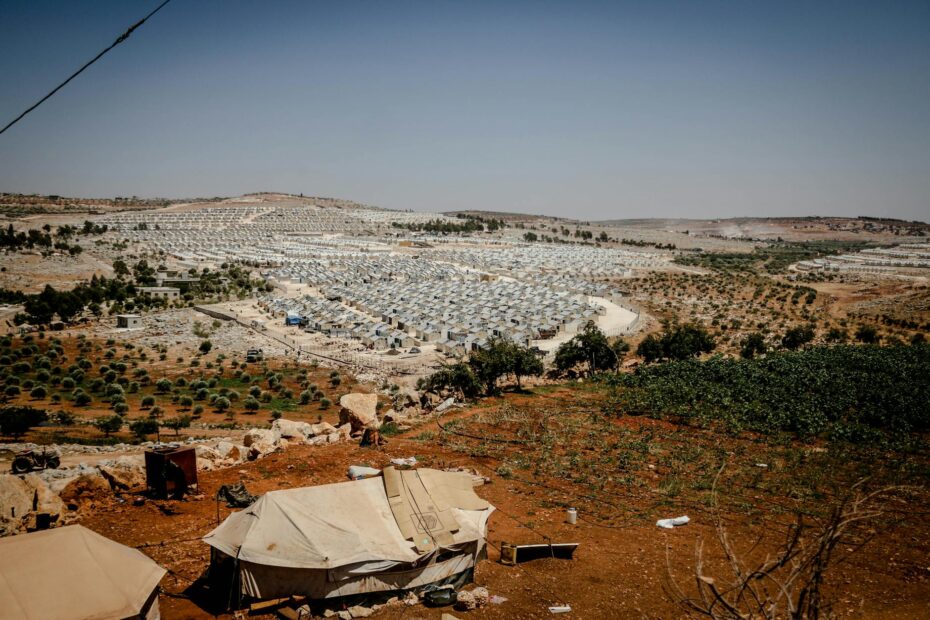
Sudan’s Health Crisis: A Growing Concern
The ongoing situation in Sudan presents a stark reminder of how conflict can severely undermine public health infrastructure and the well-being of an entire population. After three years of intense conflict, the nation is grappling with a significantly worsened health crisis, as highlighted by recent reports from the World Health Organization (WHO). This prolonged instability has not only disrupted essential medical services but has also created a cascade of health challenges that demand urgent attention.
The impact extends far beyond immediate injuries from conflict. We’re seeing a severe disruption in access to basic healthcare, including routine vaccinations, maternal care, and treatment for chronic conditions like diabetes and hypertension. Many health facilities have been damaged or destroyed, and medical supplies are scarce. This environment makes populations highly vulnerable to infectious diseases, with outbreaks becoming more frequent and harder to contain due to displacement and poor sanitation. Furthermore, the nutritional status of many, especially children, has deteriorated significantly, leading to increased rates of malnutrition, which in turn weakens the immune system and makes individuals more susceptible to illness.
The WHO emphasizes that this isn’t just a temporary setback; it’s a deepening crisis that requires sustained international support to rebuild and strengthen the health system. Addressing these challenges involves not only providing immediate humanitarian aid but also investing in long-term solutions to restore access to quality healthcare, ensure food security, and support mental health services for those traumatized by years of conflict.
Understanding the Impact of Conflict on Health
The situation in Sudan, as reported by the WHO, underscores a critical point: conflict doesn’t just cause immediate physical harm; it creates a ripple effect that devastates public health over time. After three years of ongoing conflict, the nation is facing a health crisis that has become much more severe. This prolonged instability cripples the very systems people rely on for well-being, from clean water and sanitation to access to doctors and essential medicines.
When healthcare facilities are damaged or inaccessible, routine medical care grinds to a halt. This means that conditions like diabetes, which require consistent management, become much harder to control. Similarly, preventative measures, such as childhood immunizations, fall by the wayside, leaving communities vulnerable to outbreaks of preventable diseases. The disruption also severely impacts maternal and child health, increasing risks during pregnancy and childbirth and hindering the healthy development of young children. Malnutrition becomes a significant concern, weakening immune systems and making individuals more susceptible to a wide range of illnesses.

The long-term consequences are profound. Rebuilding a functional health system after such extensive damage requires not only immediate aid but also sustained commitment to restoring infrastructure, training healthcare workers, and ensuring the availability of vital supplies. This comprehensive approach is essential to address the deepening health crisis and support the recovery of the population.
What Does This Mean for Public Health in Sudan?
The escalating health crisis in Sudan, particularly evident after three years of conflict, paints a grim picture for the nation’s public health landscape. The World Health Organization (WHO) has highlighted that this prolonged instability has severely degraded essential health services, leaving millions vulnerable. Imagine a situation where getting a simple vaccination for a child or receiving regular medication for a chronic condition like diabetes becomes an insurmountable challenge. This is the reality for many in Sudan.
The breakdown of healthcare infrastructure means that not only are injuries from conflict difficult to treat, but the management of non-communicable diseases (NCDs) also suffers immensely. Conditions that require ongoing monitoring and medication, such as heart disease or kidney problems, can worsen significantly without proper care, leading to more severe health outcomes and increased mortality. Furthermore, the disruption to sanitation and clean water systems, coupled with displacement, creates fertile ground for infectious diseases to spread rapidly. Outbreaks of cholera or measles, which are preventable and treatable under normal circumstances, can become devastating epidemics in such an environment.
The nutritional status of the population, especially children, has also been critically impacted. Widespread food insecurity, a direct consequence of the conflict, leads to malnutrition. This not only stunts growth and development in children but also weakens the immune system of everyone, making them more susceptible to all kinds of illnesses, from common infections to more serious diseases. Rebuilding these essential public health pillars is a monumental task that requires immediate and sustained international cooperation.
Looking Ahead: Addressing the Health Challenges
The situation in Sudan, especially after three years of conflict, presents a complex web of health challenges that require a forward-thinking and comprehensive approach. The World Health Organization (WHO) has been vocal about the deepening crisis, emphasizing that recovery will be a long and arduous journey. Addressing these issues means looking beyond immediate relief and focusing on rebuilding the very foundations of the healthcare system.
One of the most critical aspects of moving forward is restoring access to essential medical services. This includes not only treating injuries sustained during the conflict but also ensuring that people with chronic conditions, such as diabetes or heart disease, can receive the ongoing care and medication they need. Without consistent management, these conditions can lead to severe complications, further straining an already overburdened system. Think about the importance of regular check-ups and medication adherence for managing conditions like diabetes; these are vital for preventing more serious health problems down the line.
Furthermore, strengthening preventative healthcare is paramount. This involves re-establishing vaccination programs to protect children from preventable diseases, improving sanitation and access to clean water to curb the spread of infectious illnesses, and ensuring adequate nutrition to combat widespread malnutrition. The long-term health of the population hinges on these fundamental public health measures. Rebuilding trust in the healthcare system and ensuring its accessibility to all communities will be key to a sustainable recovery.
Scientific References
This article was developed based on peer-reviewed research. For more detailed clinical data, please refer to the original study:
Support Our Research
If you found this evidence-based article helpful, consider supporting Dr. Julian Hayes and The Health Desk’s mission to make scientific research accessible to everyone.
☕ Support with Credit Card or Crypto
Secure payments via NOWPayments.