
Sleep’s Hidden Role in Your Heart and Metabolism
Many of us understand that a good night’s sleep makes us feel refreshed, but its profound impact extends far beyond just our energy levels. In fact, the quality and duration of your sleep play a surprisingly direct and vital role in your overall cardiometabolic health, influencing both your heart health and your body’s metabolism.
When you sleep, your body naturally lowers your blood pressure, giving your cardiovascular system a much-needed rest. Chronic sleep loss, however, disrupts this natural rhythm. Studies have shown that consistently getting less than seven hours of sleep can lead to higher blood pressure over time, increasing your risk for hypertension (high blood pressure) and, subsequently, cardiovascular disease.
Beyond blood pressure, sleep is a critical regulator of your metabolism, particularly how your body handles blood sugar. Even just one night of poor sleep quality can make your body less sensitive to insulin (the hormone that helps cells absorb sugar from the blood), a condition known as insulin resistance. Over time, this can lead to elevated blood sugar levels and significantly increase your diabetes risk for developing type 2 diabetes.
Furthermore, sleep deprivation can disrupt hormones that control appetite, like ghrelin (which makes you feel hungry) and leptin (which signals fullness). This imbalance can lead to increased cravings for unhealthy foods and make weight management more challenging, adding another layer of risk to your cardiometabolic health.
Why Poor Sleep Puts Your Cardiometabolic Health at Risk
It’s easy to think of sleep as just downtime, but when we don’t get enough quality rest, our bodies are actually put under significant stress, particularly concerning our heart and how we process energy. This is why poor sleep can be a major player in putting your cardiometabolic health at risk.
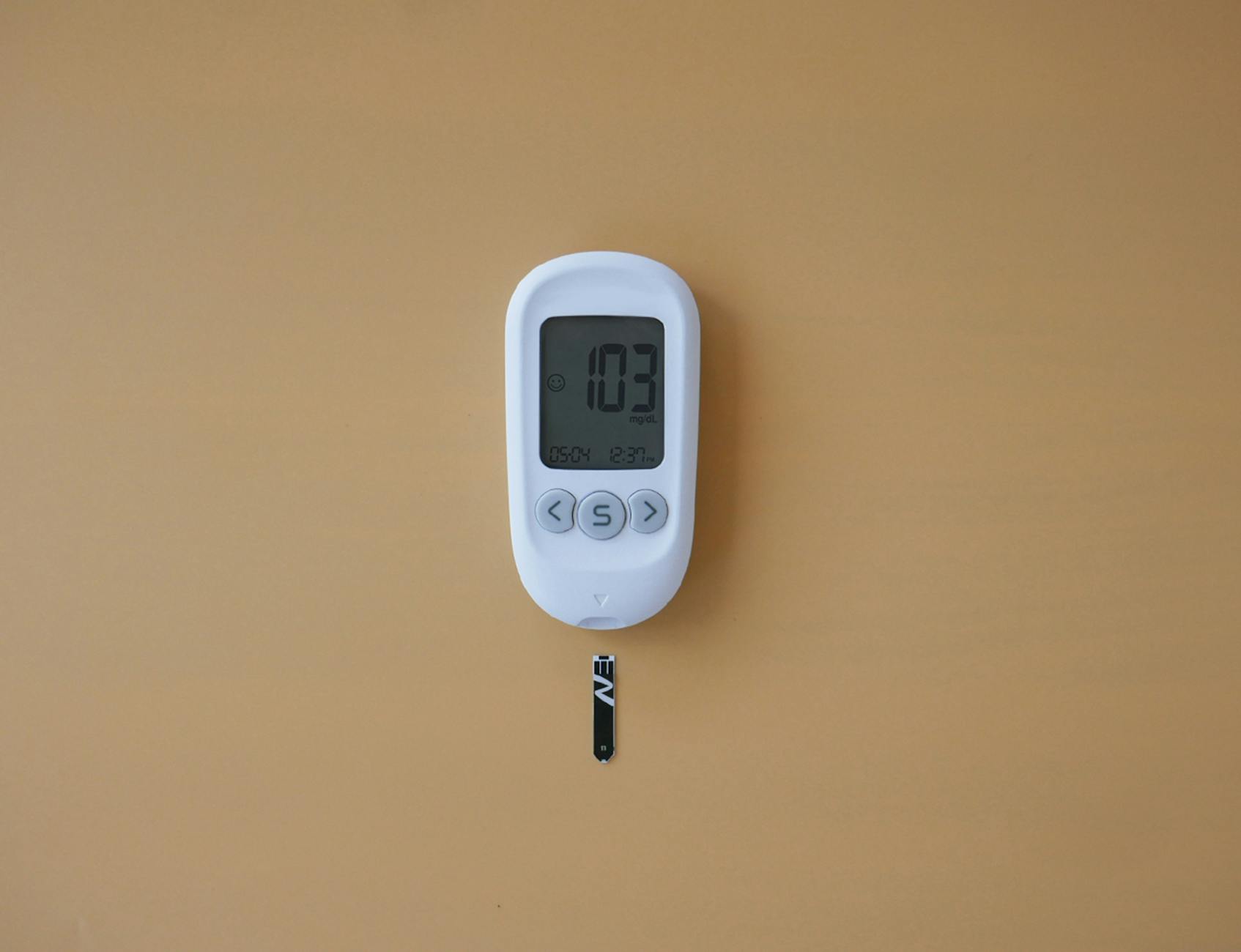
When sleep is consistently disrupted or insufficient, it directly impacts key systems that keep your heart and metabolism running smoothly. For instance, your body’s ability to regulate blood sugar can be significantly hampered. Even a single night of poor sleep can lead to what’s called insulin resistance, meaning your body’s cells don’t respond as well to insulin, the hormone responsible for moving sugar from your blood into your cells for energy. Over time, this can contribute to higher blood sugar levels and increase your chances of developing type 2 diabetes. This is a crucial aspect of understanding how sleep affects your overall metabolism.
Beyond blood sugar, sleep plays a vital role in managing your appetite. Hormones like ghrelin, which signals hunger, and leptin, which signals fullness, can become imbalanced with lack of sleep. This hormonal shift can lead to increased cravings, often for high-calorie, less healthy foods, making it harder to maintain a healthy weight. This connection between sleep, appetite hormones, and weight management is a significant factor in cardiometabolic well-being.
Furthermore, the stress that poor sleep places on your body can elevate stress hormones like cortisol. Chronically elevated cortisol can contribute to inflammation and negatively affect blood pressure, further straining your heart health. It’s a complex interplay where insufficient rest creates a cascade of effects that can undermine your body’s natural defenses and regulatory processes.
Simple Steps to Improve Sleep Quality for Better Health
It’s understandable to feel overwhelmed when thinking about improving sleep, but making small, consistent changes can lead to significant improvements in your sleep quality and, consequently, your cardiometabolic health. Think of it as building a healthier foundation for your body, one restful night at a time.
One of the most impactful steps you can take is establishing a regular sleep schedule. This means going to bed and waking up around the same time every day, even on weekends. This consistency helps regulate your body’s internal clock, known as the circadian rhythm, making it easier to fall asleep and wake up naturally. Creating a relaxing bedtime routine can also signal to your body that it’s time to wind down. This might include activities like reading a book, taking a warm bath, or gentle stretching. Avoiding screens, like phones and TVs, for at least an hour before bed is also crucial, as the blue light they emit can interfere with melatonin production, a hormone essential for sleep.
Your sleep environment plays a significant role too. Aim to make your bedroom a sanctuary for sleep: dark, quiet, and cool. Blackout curtains can help block out light, and earplugs or a white noise machine can minimize disruptions. Ensuring your mattress and pillows are comfortable and supportive is also key to uninterrupted rest. For those struggling with allergies, which can significantly disrupt sleep, managing your environment to reduce allergens is important. For instance, keeping windows closed during high pollen seasons can help, as noted in resources like Healthline’s ranking of cities affected by spring allergies.
What you consume and when can also affect your sleep. Limiting caffeine and alcohol, especially in the hours leading up to bedtime, can prevent them from interfering with your ability to fall asleep and stay asleep. Similarly, avoiding heavy meals close to bedtime can help prevent discomfort and indigestion that might keep you awake. Regular physical activity is beneficial for sleep, but try to avoid intense workouts too close to when you plan to sleep, as this can be stimulating for some individuals.
The Link Between Sleep and Conditions Like Diabetes and Heart Disease
We’ve touched on how sleep impacts your heart and metabolism, but let’s dive a bit deeper into the specific conditions that poor sleep can contribute to, particularly diabetes and heart disease. It’s not just about feeling tired; it’s about how insufficient rest can actively increase your risk for serious health problems.
When you consistently don’t get enough quality sleep, your body struggles to manage blood sugar effectively. As mentioned earlier, this can lead to insulin resistance, a key factor in the development of type 2 diabetes. Think of insulin as a key that unlocks your cells to let sugar in for energy. If your cells become resistant to this key, sugar builds up in your bloodstream, which over time can lead to diabetes. Health experts emphasize that improving sleep habits can be a vital part of managing and even preventing this condition.
The connection to heart disease is also quite strong. Poor sleep can lead to elevated blood pressure, a major risk factor for heart attacks and strokes. It also affects cholesterol levels; studies suggest that lack of sleep can lead to higher levels of LDL (“bad”) cholesterol and lower levels of HDL (“good”) cholesterol, further increasing your risk for cardiovascular problems. This is why prioritizing sleep is as important for your heart as eating a healthy diet or exercising regularly.
Furthermore, the hormonal imbalances caused by sleep deprivation, particularly those affecting appetite, can contribute to weight gain. Being overweight or obese is itself a significant risk factor for both diabetes and heart disease, creating a cycle where poor sleep exacerbates other conditions that harm your cardiometabolic health.
Scientific References
This article was developed based on peer-reviewed research. For more detailed clinical data, please refer to the original study:
Support Our Research
If you found this evidence-based article helpful, consider supporting Dr. Julian Hayes and The Health Desk’s mission to make scientific research accessible to everyone.
☕ Support with Credit Card or Crypto
Secure payments via NOWPayments.