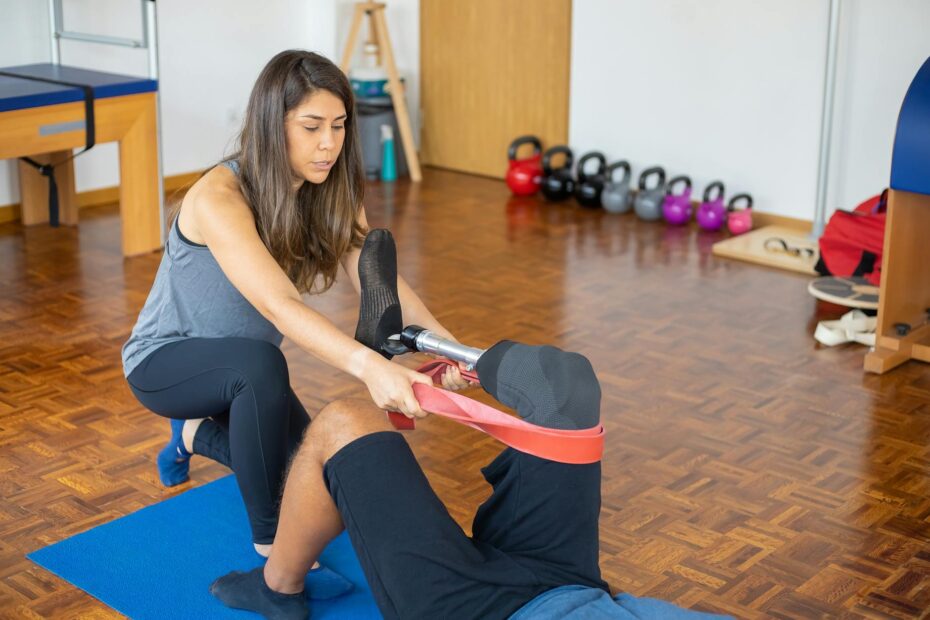
Beyond Survival: Unlocking a Fuller Life After Stroke
While the immediate aftermath of a stroke often focuses on regaining basic bodily functions, the journey to recovery extends far beyond mere survival. For individuals who have experienced a stroke, the potential for a richer, more engaged life is significantly influenced by their cognitive well-being. This is where the role of exercise, particularly aerobic training, becomes profoundly important. It’s not just about physical rehabilitation; it’s about reclaiming mental sharpness and improving the overall quality of life.
The Science Speaks: How Aerobic Exercise Rebuilds Cognitive Function Post-Stroke
So, how exactly does getting your heart rate up translate into sharper thinking after a stroke? It’s a question we often hear, and the science offers compelling answers. The evidence strongly suggests that aerobic exercise isn’t just good for your physical recovery; it plays a vital role in rebuilding the very cognitive functions that can be impacted by a stroke.
Consider the findings from a comprehensive 2017 review, “Clinical Evidence of Exercise Benefits for Stroke.” This research underscores that aerobic training, often the cornerstone of cardiac rehabilitation, significantly contributes to improving a range of cognitive abilities. We’re talking about tangible enhancements in areas like memory, attention span, and overall mental processing speed. It’s about giving your brain the optimal environment to heal and adapt.
Think of it this way: when you engage in aerobic activity, you’re boosting cardiovascular fitness. This means more efficient blood flow and oxygen delivery to the brain, even to areas that may have been compromised. This enhanced supply of vital nutrients and oxygen is crucial for supporting neuroplasticity – your brain’s incredible ability to reorganize itself and form new connections. It helps the brain recover, adapt, and ultimately, function more effectively.
The message is clear: incorporating aerobic exercise into your post-stroke rehabilitation isn’t just about regaining physical strength or mobility. It’s a powerful strategy for fostering cognitive resilience and reclaiming mental clarity, directly supported by robust clinical evidence.

From Brain Fog to Clarity: Reclaiming Your Mind with Movement
The impact of a stroke can leave individuals feeling like they’re navigating through a persistent mental haze. This “brain fog” can manifest as difficulties with focus, remembering information, or even processing thoughts efficiently. Fortunately, the path to clearing this fog and reclaiming mental sharpness often involves embracing movement.
The research highlights that aerobic exercise is a key player in this cognitive restoration. Beyond just improving physical stamina, it directly addresses the cognitive deficits that can arise post-stroke. You might find that regular aerobic activity helps to sharpen your attention, making it easier to concentrate on tasks. It can also significantly improve your ability to recall information, a crucial aspect of daily life and rehabilitation.
The benefits extend to processing speed as well. For many, the feeling of thinking more slowly after a stroke can be frustrating. Aerobic exercise can help to accelerate this processing, allowing for quicker responses and a greater sense of mental agility. This isn’t about a minor tweak; it’s about a noticeable improvement in how your brain functions on a day-to-day basis.
By engaging in activities that elevate your heart rate, you are actively supporting the brain’s recovery processes. This can lead to a profound shift from feeling mentally sluggish to experiencing a renewed sense of clarity and cognitive control. It’s a testament to the power of physical activity in rebuilding not just the body, but the mind as well.
Your Recovery Blueprint: A Multi-Dimensional Approach to Post-Stroke Exercise
While we’ve explored the profound cognitive benefits of aerobic exercise, your journey to a full and vibrant recovery after a stroke is truly a multi-dimensional endeavor. It’s not just about getting your heart rate up; it’s about crafting a comprehensive “blueprint” that addresses the many facets of post-stroke rehabilitation. This holistic approach, strongly supported by clinical evidence, integrates various forms of movement to rebuild strength, flexibility, balance, and overall function.
Think of it as assembling a personalized toolkit for your body and mind. Beyond the cardiovascular gains, a well-rounded exercise plan often includes:
- Strength Training: This isn’t just for bodybuilders. Incorporating resistance exercises can significantly improve your overall functionality, making daily tasks easier and boosting your confidence. It plays a vital role in enhancing psychosocial well-being and elevating your quality of life, helping you feel more capable and independent.
- Flexibility and Stretching Exercises: Stroke can sometimes lead to muscle spasticity, stiffness, and a reduced range of motion. Gentle stretching and flexibility work are crucial for relieving these issues, preventing painful contractures, and improving your motor function. Imagine regaining the ease of movement you once had – flexibility helps pave that path.
- Neuromuscular Exercises: These activities focus on coordination and balance, which are often impacted after a stroke. By engaging in neuromuscular training, you can improve your ability to perform everyday activities with greater stability and control. It’s about retraining your brain and body to work together more harmoniously.
- Traditional Chinese Exercises: Practices like Tai Chi, for example, are increasingly recognized for their benefits in post-stroke recovery. They can be particularly effective in improving walking ability, enhancing balance, and even increasing muscle strength, all while fostering a sense of calm and mindfulness.
The 2017 review, “Clinical Evidence of Exercise Benefits for Stroke,” highlights the power of combining these various exercise types—aerobic, strength, flexibility, neuromuscular, and traditional Chinese—to achieve optimal outcomes for stroke survivors. This isn’t a one-size-fits-all prescription, however. Your unique recovery journey requires a tailored approach. We strongly encourage you to consult with your healthcare team, including physical and occupational therapists, to develop an exercise blueprint that is safe, effective, and perfectly suited to your individual needs and capabilities. Together, we can build a path toward a stronger, more agile, and cognitively sharper you.
More Than Physical: Boosting Mood, Balance, and Quality of Life
While the cognitive advantages of aerobic exercise after a stroke are significant, its impact extends far beyond mental acuity. For stroke survivors, the journey often involves navigating emotional challenges and regaining a sense of physical control. This is where the multifaceted benefits of consistent movement truly shine, offering improvements in mood, balance, and an overall enhanced quality of life.
The “Clinical Evidence of Exercise Benefits for Stroke” review from 2017 points to exercise as a powerful tool for addressing the psychosocial issues that frequently accompany stroke recovery. Engaging in regular physical activity can act as a potent mood enhancer, helping to combat feelings of depression or anxiety that can arise during this challenging period. You might find that the simple act of moving your body releases endorphins, those natural mood elevators, leaving you feeling more positive and resilient.
Furthermore, the evidence strongly supports the role of exercise in improving balance and mobility. For individuals who have experienced a stroke, regaining stability is paramount for independence and safety. Activities that challenge your balance, when performed safely and progressively, can retrain your body’s systems to respond more effectively, reducing the risk of falls and increasing confidence in your movements. This improved physical control directly translates into a greater ability to participate in daily activities and social interactions, significantly boosting your overall sense of well-being.
Ultimately, the integration of exercise into your post-stroke recovery isn’t just about recovering lost function; it’s about cultivating a richer, more fulfilling life. By embracing movement, you are actively investing in your emotional health, your physical stability, and your capacity to engage with the world around you more fully.
Empowering Your Journey: The Indisputable Power of Exercise in Stroke Recovery
As we conclude our exploration, the message is clear and profoundly hopeful: exercise, in its various forms, stands as an indisputable cornerstone of stroke recovery. It’s more than just a therapeutic intervention; it’s a powerful catalyst for reclaiming your life, empowering you to actively shape your future.
The journey after a stroke can feel daunting, marked by unexpected challenges and a sense of loss. Yet, through consistent, tailored movement, you hold the key to unlocking remarkable improvements. We’ve seen how it sharpens cognitive function, helping to clear the mental fog and restore clarity to your thoughts. It rebuilds physical strength and balance, fostering greater independence in your daily life.
But the power of exercise extends even deeper, touching the very core of your well-being. It’s a potent antidote to the emotional tolls of recovery, boosting your mood and fostering a renewed sense of resilience. It helps you reconnect with your body, rebuild confidence, and ultimately, enhance your overall quality of life.
This isn’t merely a suggestion; it’s a scientifically supported pathway to a more vibrant, engaged existence post-stroke. By embracing exercise, you are not just recovering; you are actively building a stronger, more capable, and cognitively sharper version of yourself. Continue to work closely with your healthcare team, listen to your body, and trust in the transformative power of movement. Your journey is unique, and with every step, every stretch, and every elevated heartbeat, you are moving towards a fuller, more empowered life.
Scientific References
This article was developed based on peer-reviewed research. For more detailed clinical data, please refer to the original study:
- Study: Clinical Evidence of Exercise Benefits for Stroke. (2017)
Support Our Research
If you found this evidence-based article helpful, consider supporting Dr. Julian Hayes and The Health Desk’s mission to make scientific research accessible to everyone.
☕ Support with Credit Card or Crypto
Secure payments via NOWPayments.