
Beyond the Rash: The Surprising Link Between Psoriasis and Your Metabolism
While psoriasis is often recognized for its visible skin manifestations, a growing body of research reveals a deeper, systemic connection to metabolic health. It’s not just about the rash; the underlying inflammatory processes in psoriasis can significantly influence your body’s ability to regulate energy and metabolism, leading to a higher risk of developing metabolic syndrome (MetS). This complex interplay suggests that managing psoriasis effectively may have far-reaching benefits for your overall well-being, extending well beyond skin improvement.
Unraveling the Mystery: What a Recent Scientific Review Reveals
A recent scientific review has shed light on the intricate pathways connecting psoriasis and metabolic syndrome, moving us closer to understanding this complex comorbidity. Researchers have been investigating how the very mechanisms driving psoriasis, such as endoplasmic reticulum stress and the release of pro-inflammatory cytokines, can actively contribute to the development of metabolic dysfunction. It’s a fascinating area of study, revealing that the systemic inflammation characteristic of psoriasis isn’t confined to the skin but can ripple through the body, impacting how it processes energy and nutrients.
Furthermore, the review highlights the role of oxidative stress, an imbalance between free radicals and antioxidants, and shifts in adipocytokine levels – signaling molecules produced by fat tissue – as key players in this association. These factors, often exacerbated by chronic inflammation, can disrupt normal metabolic processes. Perhaps one of the most compelling aspects explored is the concept of gut microbiota dysbiosis, an imbalance in the trillions of microorganisms residing in your digestive tract. This disruption is increasingly recognized as a significant contributor to both psoriasis and metabolic syndrome, suggesting a shared root cause or a feedback loop between these conditions.
Is Your Gut the Missing Link? How Microbiome Imbalance Fuels Metabolic Syndrome
Your gut, often considered merely a digestive organ, is actually home to a vast and dynamic community of microorganisms. This intricate ecosystem, when balanced, plays a crucial role in everything from nutrient absorption to immune regulation. But what happens when this delicate equilibrium is disrupted? This state, known as dysbiosis, is increasingly recognized as a powerful, yet often overlooked, contributor to metabolic syndrome, especially in the context of conditions like psoriasis.
When your gut’s microbial community falls out of balance, it can trigger a cascade of events that directly impact your metabolic health. For instance, certain bacterial imbalances can compromise the integrity of your intestinal lining, leading to what’s sometimes called a “leaky gut.” This allows bacterial components and toxins to seep into your bloodstream, igniting a low-grade, chronic systemic inflammation. And as we know, persistent inflammation is a major driver of insulin resistance, a hallmark of metabolic syndrome where your body’s cells become less responsive to insulin, leading to elevated blood sugar levels.
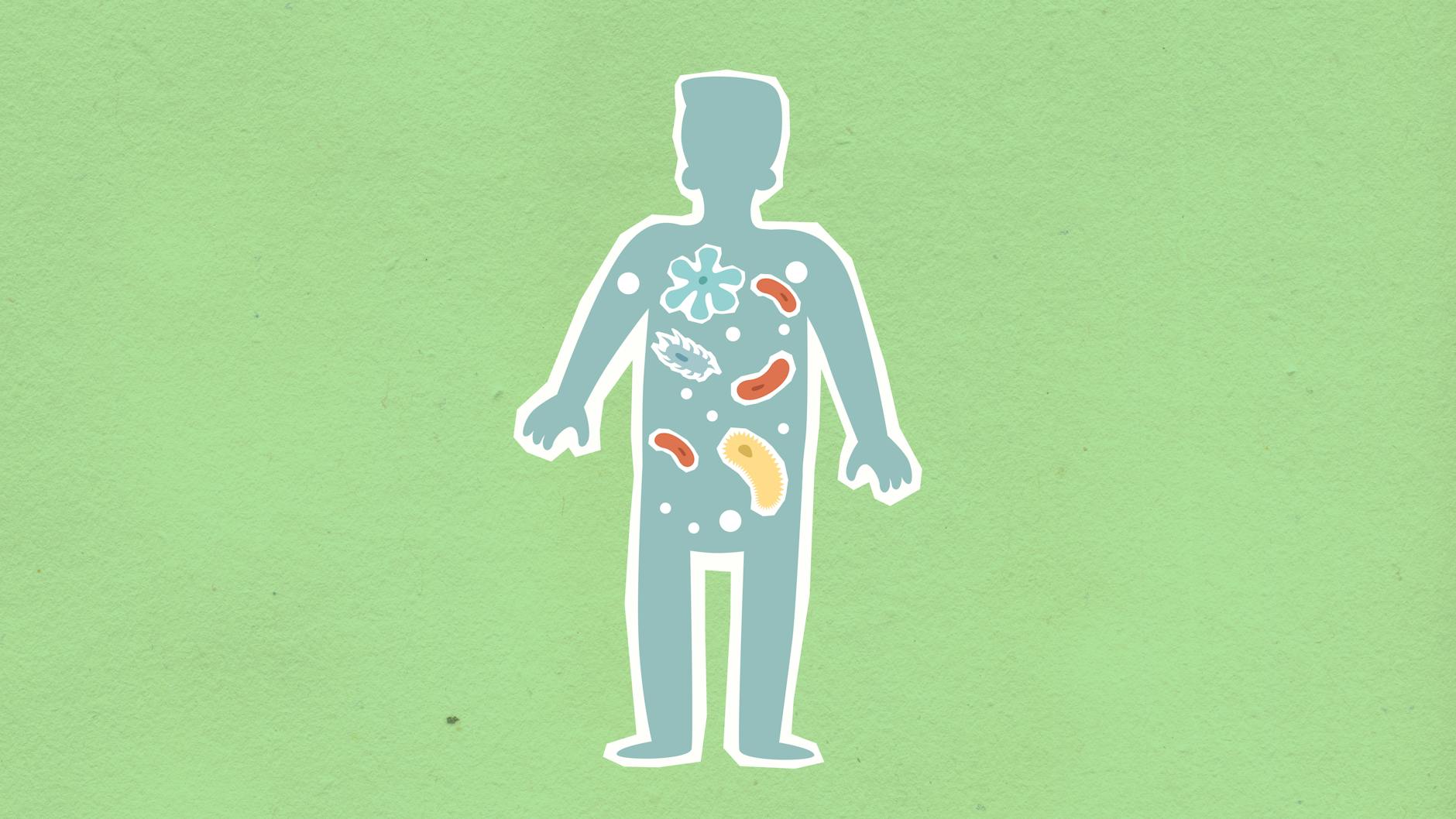
Moreover, the types of microbes thriving in your gut influence the production of various metabolites. Some, like beneficial short-chain fatty acids, support metabolic health. Others, when produced in excess by an imbalanced microbiome, can actively contribute to fat accumulation and further exacerbate inflammation. The 2021 review, “Metabolic Syndrome and Psoriasis: Mechanisms and Future Directions,” specifically highlighted gut microbiota dysbiosis as a key mechanism mediating the complex association between psoriasis and metabolic syndrome. This isn’t just a coincidence; it suggests a profound, bidirectional relationship where an unhealthy gut can fuel systemic issues, and systemic inflammation can, in turn, further disrupt the gut.
Understanding this intricate connection empowers us to look beyond surface symptoms and consider the foundational role of your gut health. It’s a powerful reminder that true wellness often begins deep within, influencing how your body processes energy, manages inflammation, and ultimately, protects you from metabolic dysfunction.
The Body’s Internal Battle: Inflammation, Stress, and Metabolic Havoc
Beyond the visible signs, your body can be engaged in a silent, internal battle, where chronic inflammation and cellular stress become formidable adversaries against metabolic health. It’s a complex interplay, far more intricate than simply “inflammation equals bad.” Here, we delve into how specific cellular stressors, often amplified in conditions like psoriasis, actively dismantle your metabolic equilibrium.
One such critical player is endoplasmic reticulum (ER) stress. Think of the ER as your cell’s sophisticated protein factory, responsible for folding and assembling vital proteins. When this factory becomes overwhelmed – perhaps by an overload of misfolded proteins or inflammatory signals – it enters a state of stress. This ER stress doesn’t just halt production; it triggers a cascade of responses that can directly impair insulin signaling, making your cells less responsive to this crucial hormone. The result? A significant step towards insulin resistance, a cornerstone of metabolic syndrome.
Hand-in-hand with ER stress often comes oxidative stress. This occurs when there’s an imbalance between the production of harmful free radicals and your body’s ability to neutralize them with antioxidants. These rogue molecules can damage cellular components, including DNA, proteins, and lipids, further fueling inflammation. This vicious cycle of oxidative damage and inflammation creates a hostile environment within your cells, disrupting their normal function and contributing to the development of metabolic dysfunction, including impaired glucose metabolism and fat accumulation.
The 2021 review, “Metabolic Syndrome and Psoriasis: Mechanisms and Future Directions,” specifically highlighted these mechanisms – ER stress, pro-inflammatory cytokine releases, and excess production of reactive oxygen species (a key component of oxidative stress) – as central to the pathological link between psoriasis and metabolic syndrome. It’s a powerful reminder that the systemic inflammation characteristic of psoriasis isn’t just an isolated event; it’s a profound cellular assault that can ripple through your entire system, leading to the metabolic havoc we associate with conditions like type 2 diabetes, high blood pressure, and dyslipidemia. Understanding this internal battle is crucial, for it points us toward strategies that address not just the symptoms, but the very root of metabolic imbalance.
Future Frontiers: New Hope for Psoriasis and Metabolic Syndrome Treatment
The intricate connections between psoriasis, the gut microbiome, and metabolic syndrome are opening exciting new avenues for therapeutic intervention. Researchers are actively exploring novel strategies that target these interconnected pathways, offering a glimmer of hope for more effective and holistic treatment approaches.
One promising area of research involves the development of therapies aimed at restoring gut microbial balance. This could include the use of specific probiotics or prebiotics designed to cultivate beneficial bacteria and suppress harmful ones. Imagine a future where a personalized probiotic regimen, tailored to your unique gut profile, could not only help manage psoriasis symptoms but also significantly improve your metabolic markers. Furthermore, fecal microbiota transplantation (FMT), a procedure that introduces stool from a healthy donor into a patient’s gut, is being investigated as a potential way to reset the gut ecosystem and alleviate both inflammatory and metabolic issues.
Beyond the gut, interventions that directly address systemic inflammation and cellular stress are also on the horizon. This might involve novel anti-inflammatory drugs that are more targeted to the specific pathways implicated in psoriasis and metabolic dysfunction, minimizing side effects. Additionally, strategies that enhance the body’s antioxidant defenses or reduce endoplasmic reticulum stress are being explored. The 2021 review, “Metabolic Syndrome and Psoriasis: Mechanisms and Future Directions,” underscores the importance of these mechanistic insights, suggesting that future treatments will likely move beyond symptom management to address the underlying cellular and molecular disruptions.
The ultimate goal is to develop integrated treatment plans that consider the whole person. This means recognizing that managing psoriasis effectively might involve not only dermatological treatments but also interventions that support gut health and improve metabolic function. As our understanding deepens, we can anticipate a shift towards precision medicine, where treatments are tailored to an individual’s specific biological profile, offering a more personalized and potent path to improved health for those affected by these interconnected conditions.
Taking Control: A Holistic Approach to Health
While the intricate science behind psoriasis, gut health, and metabolic syndrome can seem daunting, the good news is that you have significant power to influence these interconnected systems. Embracing a holistic approach to your well-being isn’t just about managing symptoms; it’s about fostering an environment within your body that promotes balance and resilience. This isn’t a quick fix, but a journey toward sustained health, where every choice contributes to a stronger, more harmonious internal landscape.
Start by focusing on what you put into your body. Prioritize a diet rich in whole, unprocessed foods. Think vibrant fruits and vegetables, lean proteins, and healthy fats. These choices naturally provide the fiber your gut microbiome thrives on, helping to cultivate a diverse and beneficial community of microorganisms. Simultaneously, they deliver a powerful array of antioxidants and anti-inflammatory compounds, directly counteracting the systemic inflammation that can drive both psoriasis flares and metabolic dysfunction. Try to minimize highly processed foods, excessive sugars, and unhealthy fats, which can fuel inflammation and disrupt your gut’s delicate balance.
Beyond the plate, your lifestyle plays a pivotal role. Regular physical activity, even moderate daily movement, can significantly improve insulin sensitivity and reduce inflammation. Find activities you genuinely enjoy – whether it’s walking, dancing, or cycling – and make them a consistent part of your routine. Equally important is managing stress. Chronic stress can trigger inflammatory responses and impact gut health, creating a vicious cycle. Explore techniques like mindfulness meditation, deep breathing exercises, or spending time in nature to cultivate calm and support your body’s natural healing processes. And don’t underestimate the power of sleep; quality rest is fundamental for cellular repair, hormone regulation, and overall metabolic health.
Remember, you’re not alone in this. Working closely with your healthcare team – including your dermatologist, a registered dietitian, and potentially a gut health specialist – can provide personalized guidance and support. They can help you tailor dietary changes, recommend appropriate supplements, and monitor your progress. By taking proactive steps to nourish your gut, reduce inflammation, and support your metabolic health, you’re not just addressing individual conditions; you’re investing in a future of greater vitality and well-being.
Scientific References
This article was developed based on peer-reviewed research. For more detailed clinical data, please refer to the original study:
Support Our Research
If you found this evidence-based article helpful, consider supporting Dr. Julian Hayes and The Health Desk’s mission to make scientific research accessible to everyone.
☕ Support with Credit Card or Crypto
Secure payments via NOWPayments.