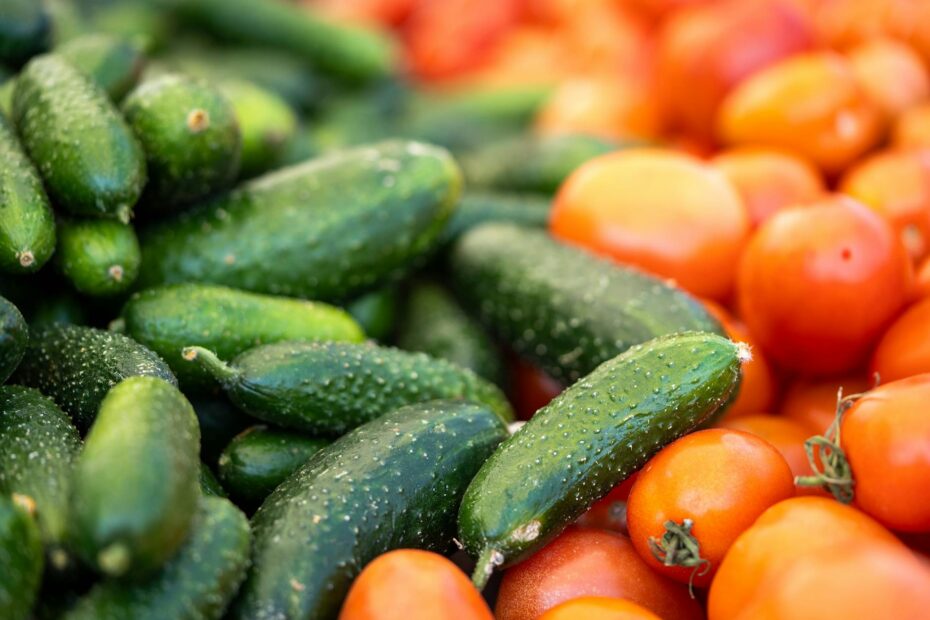
The Unexpected Link: Pesticides in Your Healthy Diet and Lung Cancer Risk
It might seem counterintuitive, but even the foods we choose for a healthy lifestyle could carry hidden risks. Recent research, as highlighted by Healthline, has uncovered a concerning connection between the presence of pesticides in our food and an increased risk of lung cancer, particularly in individuals under the age of 50. This study suggests that the very produce we select for its nutritional benefits might, unfortunately, be a source of exposure to these agricultural chemicals.
Understanding the ‘Why’: How Pesticides May Affect Lung Health
While the exact mechanisms are still being thoroughly investigated, scientists propose several ways that exposure to pesticides, even those found in otherwise healthy foods, might contribute to lung cancer risk. Our bodies are incredibly complex, and these agricultural chemicals can interfere with cellular processes in subtle yet significant ways, potentially impacting our overall lung health.
One primary concern revolves around inflammation. When we consume foods with pesticides, these substances can trigger a persistent inflammatory response within the body. Chronic inflammation is a well-established factor in the development and progression of various cancers, including those affecting the lungs. It creates an environment where cells are constantly under stress, making them more susceptible to damage and abnormal growth.
Another key pathway is through oxidative stress. Pesticides can lead to an imbalance between the production of free radicals (unstable molecules) and the body’s ability to counteract their harmful effects. This oxidative stress can damage vital cellular components, including proteins, lipids, and most critically, our DNA. Damage to DNA is a critical step in the initiation of cancer, as it can lead to mutations that allow cells to grow uncontrollably.
Furthermore, some pesticides are known to be directly genotoxic, meaning they can cause direct damage to our genetic material (DNA). This direct assault on the cell’s blueprint can disrupt normal cell function and repair mechanisms, increasing the likelihood of cancerous transformations. Understanding these potential pathways underscores the importance of considering the impact of environmental toxins, including those present as pesticides in healthy food choices, on long-term public health and cancer risk.

Smart Choices for Your Plate: Minimizing Pesticide Exposure in Everyday Foods
Given the potential concerns surrounding pesticide exposure, even from healthy foods, it’s natural to wonder how we can make smarter choices for our plates. The good news is that there are practical steps you can take to minimize your exposure to these agricultural chemicals without sacrificing the nutritional benefits of fruits and vegetables. One of the most effective strategies is to be mindful of which foods tend to have higher pesticide residues. Generally, produce with thinner skins or those that are eaten whole, like berries and leafy greens, can absorb more pesticides. Conversely, foods with thicker peels, such as avocados and bananas, often have lower residues because the peel acts as a barrier.
Washing your produce thoroughly under running water is a fundamental step that can help remove a significant amount of surface pesticides. While it won’t eliminate all residues, especially those absorbed into the produce, it’s a crucial part of the process. Some studies suggest that using a produce wash or a mixture of water and vinegar can be even more effective, though simple water rinsing is still beneficial. Another excellent approach is to prioritize organic options when possible, especially for those items known to have higher pesticide loads. The U.S. Department of Agriculture (USDA) defines organic foods as those produced without synthetic pesticides, genetically modified organisms (GMOs), or irradiation.
Choosing seasonal produce can also play a role. Foods in season are often grown locally, which can mean less travel time and potentially fewer treatments needed to preserve them. Furthermore, diversifying your diet is key. By eating a wide variety of fruits and vegetables, you reduce your reliance on any single food item and, in turn, limit your exposure to any specific pesticide that might be used on it. This approach not only helps manage pesticide intake but also ensures a broader spectrum of nutrients, contributing to overall better sleep and well-being.
Protecting Your Lungs and Your Future: A Holistic View of Food Safety
Taking a comprehensive approach to what we eat is crucial for safeguarding our health, extending far beyond just the concerns about pesticides in healthy foods. While recent findings, like those highlighted by Healthline, rightly draw our attention to specific risks such as increased lung cancer risk from certain agricultural chemicals, true protection comes from a holistic view of food safety and nutrition.
Think of your body as an intricate ecosystem. Every choice you make about your `diet` and `lifestyle` sends ripples through this system. When we prioritize `food safety` – which includes not only minimizing exposure to harmful substances but also ensuring a balanced intake of nutrient-dense foods – we’re building resilience. This isn’t just about protecting your `lung health`; it’s about nurturing your entire well-being. A diet rich in whole, unprocessed foods supports robust immune function, helps manage inflammation, and provides the essential building blocks for cellular repair and regeneration.
This broader perspective also encompasses other vital aspects of your health, such as your `cardiometabolic health` (the health of your heart and metabolism). The same principles that help reduce pesticide exposure – choosing fresh, varied, and minimally processed foods – are also fundamental for maintaining healthy blood pressure, cholesterol levels, and blood sugar control. Furthermore, the quality of your `nutrition` directly impacts your `sleep quality`. A body that is well-nourished and not burdened by excessive toxins or inflammatory triggers is better equipped to achieve restorative sleep, which is a cornerstone of overall health and disease prevention.
Ultimately, protecting your future health means making informed `lifestyle choices` today. It’s about understanding that every bite contributes to your body’s ability to thrive and defend itself against challenges, including potential `cancer risk`. By embracing a holistic view of food safety, we empower ourselves to make choices that support not just one organ or system, but our entire interconnected health.
This content is for informational purposes only and does not constitute medical advice. Always consult a qualified healthcare professional for diagnosis and treatment.
Scientific References
This article was developed based on peer-reviewed research. For more detailed clinical data, please refer to the original study:
Support Our Research
If you found this evidence-based article helpful, consider supporting Dr. Julian Hayes and The Health Desk’s mission to make scientific research accessible to everyone.
☕ Support with Credit Card or Crypto
Secure payments via NOWPayments.