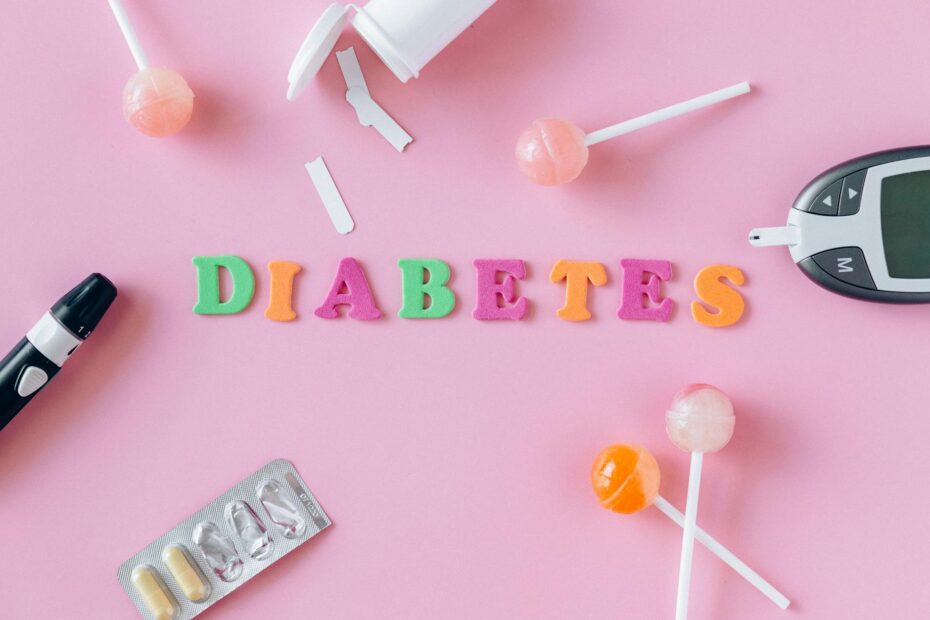
The Dawn of a New Era: Oral Semaglutide for Type 2 Diabetes
A significant advancement in managing type 2 diabetes is on the horizon with the development of an oral form of semaglutide, the active ingredient in popular injectable medications like Ozempic and Wegovy. This new pill, developed by Novo Nordisk, offers a convenient alternative for individuals seeking to manage their blood sugar levels. Healthline reports that this oral medication could potentially revolutionize type 2 diabetes treatment by providing a more accessible and user-friendly option.
Understanding Insulin Resistance: The Root of the Problem
At the heart of type 2 diabetes lies a fundamental issue called insulin resistance. To truly understand how treatments work, it’s essential to grasp this concept. Think of insulin as a key that unlocks your body’s cells, allowing glucose (sugar from the food you eat) to enter and be used for energy. When you have insulin resistance, your cells become less responsive to this key. It’s like trying to open a door with a key that no longer fits quite right.
Initially, your pancreas – the organ responsible for producing insulin – tries to compensate by making even more insulin. It works overtime, producing higher and higher levels of this hormone to try and get the glucose into your cells. However, over time, this constant overproduction can exhaust the pancreas. When the pancreas can no longer keep up with the demand, blood glucose levels begin to rise, leading to prediabetes and eventually, type 2 diabetes.
This cellular resistance to insulin is often influenced by a combination of factors, including genetics, lifestyle choices, and dietary patterns. For instance, a diet consistently high in refined sugars and unhealthy fats can contribute to the development of insulin resistance over time. Understanding this underlying mechanism is crucial because it highlights why managing blood sugar isn’t just about reducing sugar intake, but also about improving how your body responds to insulin. This is precisely where medications, including innovative options like the New Ozempic Pill, come into play, by helping to improve the body’s sensitivity to insulin or by regulating glucose in other ways, offering a new approach to managing this complex condition.
How the New Ozempic Pill Works: A Closer Look at Semaglutide
The new oral medication, containing semaglutide, works in a few key ways to help manage type 2 diabetes, as reported by Healthline. Firstly, it helps to slow down how quickly your stomach empties its contents. Imagine your stomach as a holding area for food; when it empties more slowly, it means the sugar from your meal enters your bloodstream at a more gradual pace. This prevents those sharp spikes in blood sugar that can be problematic for individuals with type 2 diabetes.

Secondly, semaglutide acts on receptors in your brain that help regulate appetite. This can lead to a feeling of fullness sooner and for longer, which often results in eating less. By reducing overall food intake, it can contribute to weight management, a crucial aspect of managing insulin resistance and type 2 diabetes. Furthermore, semaglutide also works directly on the pancreas to encourage the release of insulin when your blood sugar levels are high. It also helps to reduce the amount of sugar your liver releases into your bloodstream. These combined actions help to lower your blood glucose levels more effectively.
Beyond Medication: The Crucial Role of Diet in Managing Insulin Resistance
While innovative medications like the New Ozempic Pill offer powerful support in managing type 2 diabetes, it’s crucial to remember that diet remains a cornerstone of treatment. What we eat profoundly influences our body’s ability to respond to insulin, a concept known as insulin sensitivity. A thoughtful approach to nutrition can significantly improve blood sugar control and even reduce the need for medication over time. It’s about creating a sustainable lifestyle that supports your body’s natural processes.
Focusing on whole, unprocessed foods is key. This means prioritizing plenty of non-starchy vegetables, fruits, lean proteins (like fish, chicken, or plant-based options), and healthy fats (such as those found in avocados, nuts, and olive oil). These nutrient-dense foods provide essential vitamins and minerals, help reduce inflammation, and prevent rapid spikes in blood glucose. Incorporating fiber-rich foods, like whole grains and legumes, is also vital. Fiber helps slow down sugar absorption, promoting more stable blood sugar levels and contributing to better gut health, which increasingly research suggests plays a role in metabolic health.
Beyond specific food groups, the overall pattern of your eating matters. Regular meal times can help regulate your metabolism and prevent extreme hunger that might lead to less healthy choices. Paying attention to portion sizes, even of healthy foods, is also important for effective weight management, which directly impacts insulin resistance. By making conscious choices about your daily diet, you’re not just managing symptoms; you’re actively working to improve your body’s fundamental ability to process glucose and maintain long-term health through comprehensive lifestyle changes.
What This Means for You: Navigating the Future of Diabetes Care
The arrival of an oral form of semaglutide, the active ingredient in medications like Ozempic, marks a significant step forward in how we approach type 2 diabetes management. For many, the idea of taking a pill instead of an injection can make a substantial difference in their willingness and ability to adhere to a treatment plan. This increased convenience, as highlighted by Healthline, could empower more individuals to take control of their blood sugar levels and potentially improve their long-term health outcomes. It represents a move towards making effective diabetes care more accessible and less daunting.
This development doesn’t diminish the importance of lifestyle factors, however. While the New Ozempic Pill offers a powerful tool, it works best when integrated into a holistic approach to health. Continuing to focus on a balanced diet rich in whole foods and engaging in regular physical activity remains fundamental. These habits not only support the medication’s effectiveness but also address the underlying issues of insulin resistance and overall metabolic health. Think of it as a partnership: the medication provides crucial support, while your lifestyle choices build a strong foundation for lasting well-being.
For those living with type 2 diabetes or at risk, this evolving landscape offers renewed hope. It means more options are becoming available, tailored to different needs and preferences. The conversation around diabetes care is shifting, emphasizing personalized strategies that combine the best of medical advancements with the proven benefits of healthy living. This allows for a more proactive and potentially more effective way to manage the condition, aiming not just to control blood sugar but to improve overall quality of life.
Scientific References
This article was developed based on peer-reviewed research. For more detailed clinical data, please refer to the original study:
Support Our Research
If you found this evidence-based article helpful, consider supporting Dr. Julian Hayes and The Health Desk’s mission to make scientific research accessible to everyone.
☕ Support with Credit Card or Crypto
Secure payments via NOWPayments.