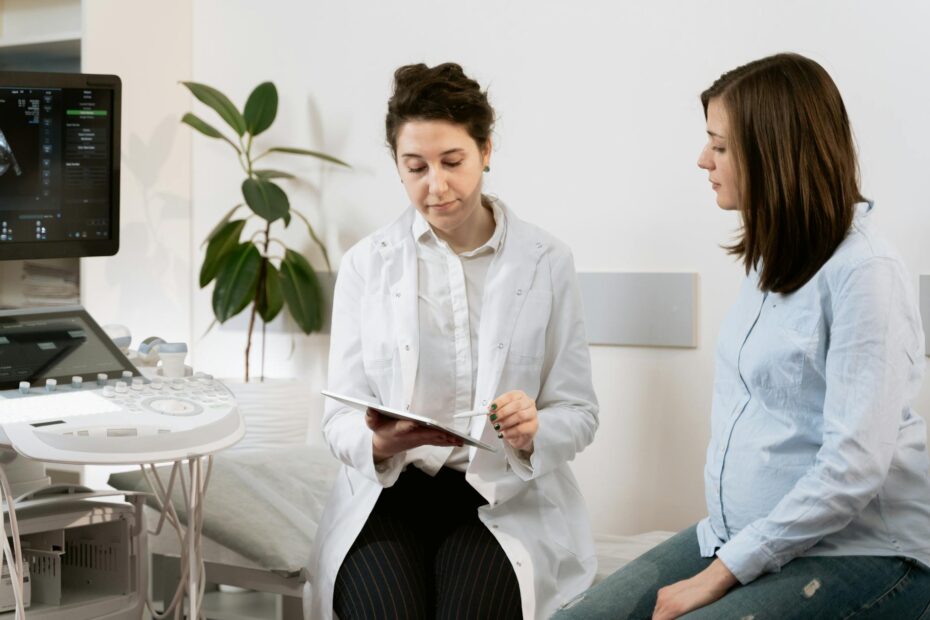
Lupus and Pregnancy: Understanding Your Unique Journey
Navigating pregnancy when you have lupus presents a unique set of considerations, and it’s completely understandable to have questions about what this journey might entail. Lupus is an autoimmune disease, meaning your immune system, which normally fights off infections, mistakenly attacks healthy tissues in your body. When this happens during pregnancy, it can affect both you and your developing baby. The New York Times recently highlighted the complexities and risks involved in pregnancy with lupus, underscoring the importance of careful monitoring and management.
One of the primary concerns is the potential for lupus to impact the health of the pregnancy. Certain lupus symptoms can flare up during gestation, and the condition itself can increase the risk of complications. These can include issues like preeclampsia, a serious condition characterized by high blood pressure and potential organ damage, or preterm birth, where the baby is born too early. It’s crucial for individuals with lupus planning a pregnancy to work closely with their healthcare team well in advance.
This proactive approach allows for optimizing your health before conception and establishing a personalized care plan. This plan will likely involve close collaboration between your rheumatologist (the doctor who manages your lupus) and your obstetrician (the doctor who specializes in pregnancy and childbirth). Regular check-ups and specific tests will be part of this plan to monitor both your well-being and your baby’s development throughout the pregnancy.
Navigating Potential Challenges: What Risks Should Expectant Mothers Know?
When you have lupus and are expecting, it’s natural to wonder about the specific challenges that might arise. The New York Times recently shed light on some of these complexities, emphasizing that pregnancy with lupus requires vigilant attention. One significant concern is the increased risk of developing preeclampsia, a condition that can cause a sudden rise in blood pressure and potentially affect vital organs like the kidneys and liver. This is particularly important to monitor because lupus itself can sometimes affect these same organs.
Beyond preeclampsia, there’s also a higher likelihood of preterm birth, meaning the baby might arrive sooner than expected. This can lead to various health issues for the newborn, depending on how early they are born. Additionally, lupus can sometimes affect the placenta, the organ that nourishes the baby during pregnancy, potentially impacting fetal growth and development. It’s also possible for lupus symptoms to become more active during pregnancy, a phenomenon known as a flare-up, which can affect the mother’s health and the pregnancy’s progress.

Managing these potential risks involves a dedicated healthcare team. Your doctors will likely keep a close eye on your blood pressure, kidney function, and the baby’s growth and well-being through regular ultrasounds and other tests. This careful monitoring is key to catching any issues early and intervening to ensure the best possible outcomes for both you and your baby. Understanding these potential challenges is the first step in preparing for a healthy pregnancy journey.
Strategies for Success: Optimizing Your Health for a Full-Term Pregnancy
Successfully carrying your baby to term with lupus involves a proactive and well-coordinated approach to your health. The New York Times has highlighted the critical nature of this journey, emphasizing that careful management is key. This means working hand-in-hand with your medical team, which typically includes your rheumatologist and your obstetrician, to create a personalized plan. This plan is designed to keep both you and your baby as healthy as possible throughout the pregnancy.
A cornerstone of this strategy is meticulous monitoring of your health markers. Regular blood pressure checks are essential, as is keeping a close watch on your kidney function. Lupus can sometimes affect these areas, and pregnancy itself can introduce changes, so vigilance is crucial. Your doctors will likely schedule frequent appointments and may recommend specific tests, such as ultrasounds, to track your baby’s growth and well-being. This consistent oversight helps in identifying any potential issues early on, allowing for timely interventions.
Beyond medical monitoring, lifestyle plays a significant role. Maintaining a balanced diet rich in essential nutrients supports overall health and can help manage inflammation. Adequate rest is also incredibly important, as fatigue can be a common symptom for those with lupus and is amplified during pregnancy. Gentle, pregnancy-safe exercise, as approved by your doctor, can also contribute to your well-being. The goal is to create an environment where your body is as strong and healthy as possible to support the demands of pregnancy, aiming for a full-term delivery.
Your Care Team: The Collaborative Approach to Lupus and Motherhood
When you’re navigating pregnancy with lupus, you’re not alone, and having a dedicated team of healthcare professionals is paramount. The New York Times has underscored the importance of this collaborative approach, highlighting how a coordinated effort between specialists can make a significant difference in ensuring a healthy pregnancy. Your primary care providers will likely include your rheumatologist, who manages your lupus, and your obstetrician, who specializes in pregnancy and childbirth. These two doctors will work closely together, sharing information and coordinating your care to address both your lupus and the unique needs of your pregnancy.
This partnership extends to other specialists who might become part of your care team. Depending on your specific health needs, you may also work with a maternal-fetal medicine specialist (also known as a perinatologist). These doctors have advanced training in high-risk pregnancies, which can be particularly beneficial when lupus is a factor. They can provide extra monitoring and specialized care to manage potential complications. Your team might also include a nephrologist if kidney involvement is a concern, or other specialists as needed. Open communication between you and your entire medical team is vital; don’t hesitate to ask questions and voice any concerns you have about your health or your baby’s development.
Scientific References
This article was developed based on peer-reviewed research. For more detailed clinical data, please refer to the original study:
Support Our Research
If you found this evidence-based article helpful, consider supporting Dr. Julian Hayes and The Health Desk’s mission to make scientific research accessible to everyone.
☕ Support with Credit Card or Crypto
Secure payments via NOWPayments.