
A Journey of Resilience: Life After an HIV Diagnosis in 1996
Receiving an HIV diagnosis in 1996 was a profoundly different experience than it is today. Back then, the medical landscape for HIV (Human Immunodeficiency Virus) was still evolving, and the prognosis often felt grim. However, stories of remarkable resilience, like that of Barbara Roberts, remind us how far we’ve come in managing this condition. As reported by Healthline, she was diagnosed with HIV in 1996 and is still thriving today at 74, nearly three decades later.
In the mid-90s, the primary treatments available were less effective and often came with significant side effects. Many individuals faced not only the physical challenges of the virus but also immense social stigma and fear. The concept of living a long, healthy life with HIV was not yet widely accepted or medically supported. For someone like Barbara, who received her diagnosis during this period, navigating the complexities of the disease required immense strength and a proactive approach to her health.
Today, advancements in medicine have transformed HIV into a manageable chronic condition. The introduction of highly effective antiretroviral therapy (ART) has been a game-changer. ART involves a combination of medications that work to reduce the viral load (the amount of HIV in the blood) to undetectable levels. When the viral load is undetectable, the virus cannot be transmitted sexually, a concept known as “Undetectable = Untransmittable” or U=U. This not only improves the quality of life for those living with HIV but also plays a crucial role in preventing new infections.
Barbara’s journey underscores the importance of consistent medical care, adherence to treatment, and a strong support system. Her story is a powerful testament to the progress made in HIV treatment and care, offering hope and demonstrating that a diagnosis, even decades ago, does not define one’s future. It highlights how individuals can live full, productive lives, managing their health with the right medical interventions and a resilient spirit.
How Modern Medicine Transformed HIV from a Crisis to a Manageable Condition
The shift from the uncertainty of the 1990s to our current reality is nothing short of a medical miracle. When we look at how we manage chronic health today, the evolution of HIV care stands as a beacon of progress. Modern medicine has moved beyond merely fighting the virus to focusing on holistic wellness, ensuring that patients can maintain their vitality well into their senior years. By utilizing sophisticated drug regimens, doctors can now suppress the virus so effectively that it no longer compromises the body’s immune system.
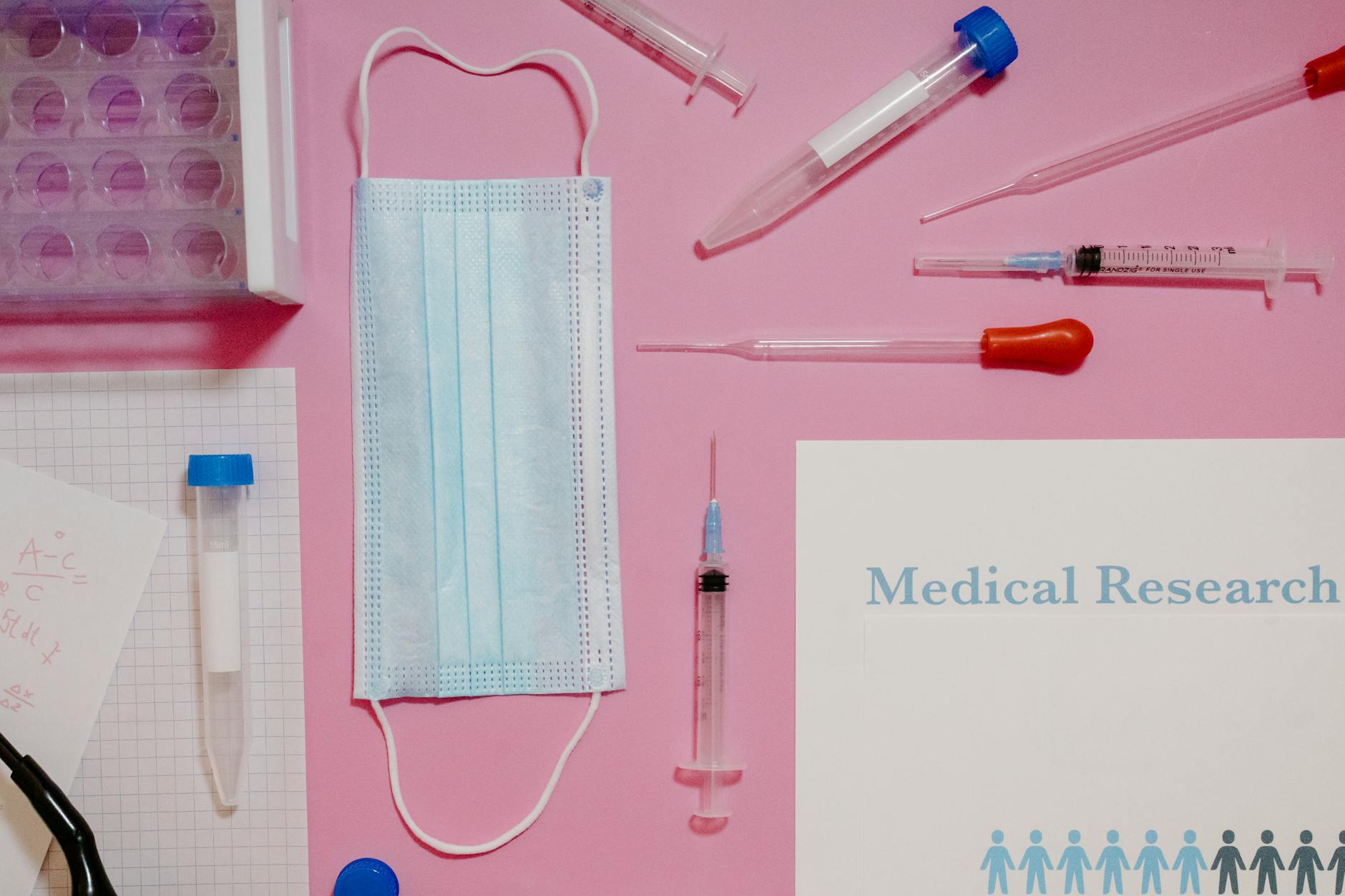
This transformation relies heavily on what we call antiretroviral therapy, or ART. Think of these medications as a precision-guided defense system. Instead of the harsh, broad-spectrum treatments of the past, today’s pills are designed to be highly targeted with fewer side effects, allowing for a much higher quality of life. For those who have been living with the virus for decades, this means that preventive medicine and routine monitoring have become the cornerstones of their long-term survival. It is no longer just about surviving; it is about thriving.
Beyond the medication itself, the medical community has shifted its focus toward the intersection of aging and HIV. We now understand that maintaining a healthy lifestyle—including balanced nutrition and regular physical activity—is vital for managing the long-term effects of the virus on the body. As we continue to refine these treatments, the goal remains clear: to provide every patient with the tools they need to live a full, active life. If you are interested in learning more about how these advancements impact daily life, you might find our guide on managing chronic conditions to be a helpful resource for navigating your own health journey.
This content is for informational purposes only and does not constitute medical advice. Always consult a qualified healthcare professional for diagnosis and treatment.
The Vital Role of Early Detection and Consistent Treatment
Understanding your HIV status as early as possible is a cornerstone of effective HIV management. The moment an individual receives an HIV diagnosis, especially if she was diagnosed in the early stages, marks a critical opportunity for immediate medical care and treatment. This proactive approach is vital because the human immunodeficiency virus primarily targets and weakens the immune system (the body’s natural defense against infections and diseases). Without early intervention, the virus can cause significant damage, making individuals more vulnerable to opportunistic infections (illnesses that take advantage of a weakened immune system) and accelerating disease progression.
The benefits of early detection extend far beyond individual health. When treatment begins promptly, it allows for effective viral suppression (reducing the amount of virus in the body to very low or undetectable levels). This not only preserves the individual’s immune health and improves their quality of life but also plays a crucial role in preventing further transmission of the virus. Consistent treatment, often involving a daily regimen of antiretroviral therapy, is paramount. Adherence to this medical care ensures that the viral load remains suppressed, safeguarding long-term health and maintaining the effectiveness of the medication.
Think of consistent treatment as a continuous shield. Missing doses can allow the virus to rebound, potentially leading to drug resistance and making future treatment more challenging. This is why regular check-ups, open communication with your healthcare provider, and a commitment to your treatment plan are non-negotiable elements of living well with HIV. It empowers individuals to take control of their health journey, ensuring they can lead full, active lives for many years to come.
Healthy Aging with HIV: What Science Tells Us About Longevity
As we look at the landscape of healthy aging, it is clear that the narrative surrounding HIV has shifted from one of crisis to one of long-term vitality. Science now shows us that with the right medical support, the aging process for someone living with HIV can mirror that of the general population. The key lies in understanding how the body changes over time and how we can proactively support those systems through preventive medicine and mindful lifestyle choices.
One of the most important aspects of aging well involves managing the potential for inflammation. Even when the virus is kept at undetectable levels through consistent treatment, the immune system remains active. Over many years, this can lead to what researchers call “inflammaging,” a low-level, chronic state of inflammation that can affect heart health and bone density. This is why your medical team will likely emphasize regular screenings for cardiovascular health and bone scans as you enter your later years. It is not about being fearful, but rather about being informed and staying ahead of potential hurdles.
Nutrition and physical activity also play a much larger role than many realize. Maintaining a balanced diet rich in antioxidants and engaging in regular, moderate exercise helps support your metabolic health and keeps your energy levels high. These habits are the foundation of wellness, helping to counteract some of the side effects that long-term medication use might have on your body. Remember, your body is resilient, and by providing it with the right fuel and movement, you are actively participating in your own longevity.
Ultimately, the goal is to ensure that your later years are defined by the things you love, not by a medical chart. Whether it is staying socially connected, pursuing hobbies, or simply enjoying time with family, these elements of life are just as important as your lab results. By working closely with your doctor to monitor your health and adjusting your care plan as your needs evolve, you are setting the stage for a vibrant, fulfilling future. It is a journey of partnership, where your voice and your goals are the most important parts of the conversation.
This content is for informational purposes only and does not constitute medical advice. Always consult a qualified healthcare professional for diagnosis and treatment.
Breaking the Stigma: Why Support Systems Matter for Long-Term Wellness
Living with HIV extends beyond managing the physical aspects of the virus; it deeply involves navigating social perceptions and the emotional landscape. Historically, a diagnosis of HIV carried immense stigma, leading many individuals to face isolation and discrimination. This societal burden can significantly impact an individual’s mental health, making it harder to seek or adhere to medical care, and ultimately affecting their long-term wellness.
This is where robust support systems become invaluable. Whether it’s the unwavering understanding of family and friends, the shared experiences within support groups, or the compassionate guidance of healthcare professionals, these networks provide a crucial buffer against the negative effects of stigma. When someone she was diagnosed with HIV, especially in earlier times, having a strong support network could be the difference between despair and resilience, as highlighted by stories like Barbara Roberts’ journey, where personal fortitude was matched by external encouragement.
A strong support system fosters an environment where individuals feel safe to discuss their concerns, adhere to their treatment plans, and maintain a positive outlook on life. It empowers them to advocate for their own health and challenge misconceptions about HIV. This collective strength helps to break down the walls of prejudice, transforming a potentially isolating experience into one of shared understanding and empowerment. For optimal health and a fulfilling lifestyle, having people who genuinely care and understand is just as vital as any medication.
Moreover, engaging with support groups or community organizations dedicated to HIV awareness can provide practical advice, emotional solace, and a sense of belonging. These platforms often share up-to-date information on HIV management, connect individuals with resources, and reinforce the message that living with HIV is compatible with a full and productive life. This holistic approach to care, encompassing both medical treatment and strong social support, is fundamental to achieving comprehensive long-term wellness.
Scientific References
This article was developed based on peer-reviewed research. For more detailed clinical data, please refer to the original study:
Support Our Research
If you found this evidence-based article helpful, consider supporting Dr. Julian Hayes and The Health Desk’s mission to make scientific research accessible to everyone.
☕ Support with Credit Card or Crypto
Secure payments via NOWPayments.