
Is Your Office Environment Affecting Your Skin and Hair?
It might surprise you, but the air quality in your office could be playing a role in how your skin and hair look. While we often focus on diet and skincare routines, the environment we spend so much time in, like our workplace, can have an impact. A recent piece from Healthline explores this idea, suggesting that the air circulating in office buildings might influence our outward appearance.
Beyond the Screen: Understanding Indoor Air Quality at Work
We often think about how our desks and computer screens affect us, but the air we breathe throughout the workday is just as important. The quality of the air inside our offices, often referred to as indoor air quality, can have a surprising impact on our well-being, extending beyond just comfort. This is especially relevant when we consider how long many of us spend indoors, breathing recycled air.
The Hidden Culprits: How Office Air Impacts Your Complexion and Tresses
You might not realize it, but the air you breathe at work could be subtly affecting your skin and hair. While we typically associate skin and hair health with topical products or diet, the environment we’re in for a significant portion of our day – our office – can also play a role. Healthline recently touched on this, exploring the theory that the air circulating within office buildings might influence how your complexion and hair look.
Simple Strategies for Healthier Skin and Hair in the Workplace
Given that the environment in our workplaces, often referred to as ‘office air,’ can indeed influence our skin and hair health, it’s empowering to know there are practical steps we can take. While we can’t always control the entire building’s ventilation system, focusing on personal habits and small environmental adjustments can make a significant difference in maintaining your glow and luster, even when dealing with challenging indoor air quality.
One of the most fundamental strategies is consistent hydration. Dry office air, often a result of air conditioning or heating systems, can strip moisture from your skin and hair. Aim to drink plenty of water throughout the day. Beyond internal hydration, consider external measures. A good quality moisturizer applied regularly can help create a protective barrier for your skin, locking in moisture and shielding it from environmental factors. For your hair, leave-in conditioners or hair oils can offer similar protection against dryness and brittleness. The Healthline article, which explored the theory of how Can ‘Office Air’ affect our appearance, underscores the importance of these protective layers.
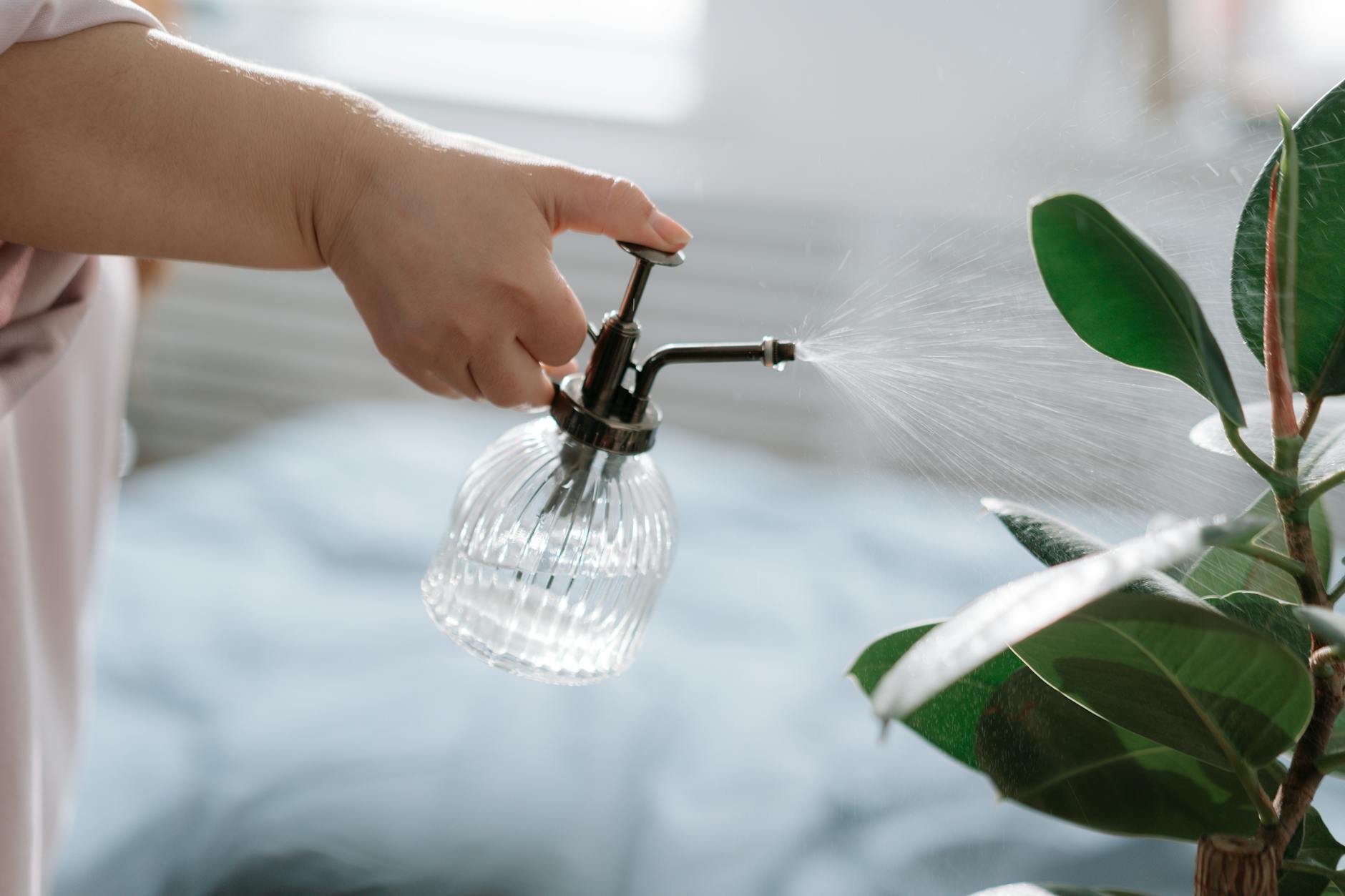
Another simple yet effective approach involves managing your immediate workspace. If possible, a small personal humidifier can introduce much-needed moisture into the air around your desk, directly benefiting your skin and respiratory passages. Taking short breaks to step outside, even for a few minutes, can also expose you to fresh air and a change in humidity, offering a brief respite from the recirculated indoor air. Furthermore, a gentle and consistent skincare routine is crucial. Opt for mild cleansers that don’t strip natural oils, and always follow up with a hydrating serum or cream. Remember, a healthy lifestyle, including a balanced diet rich in antioxidants and essential fatty acids, also supports overall skin and hair vitality, helping your body better withstand environmental stressors.
Breathing Easy: Nurturing Your Well-being from the Inside Out
When we think about our overall health, especially concerning conditions like heart disease and diabetes, what we breathe often takes a backseat to diet and exercise. However, the quality of the air around us, particularly the indoor air we’re exposed to for extended periods, plays a more significant role than many realize. This isn’t just about comfort; it’s about nurturing our well-being from the inside out. Ensuring we’re breathing clean air can have a positive ripple effect on our cardiometabolic health, the complex interplay between our heart and metabolic systems.
The air in our homes and workplaces can contain various pollutants, from dust and mold to volatile organic compounds (VOCs) released by common household items and building materials. When we inhale these, our bodies have to work harder to process them, which can contribute to inflammation. Chronic inflammation is a known factor that can negatively impact heart health and insulin sensitivity, a key component of metabolic health. While the previous discussion touched on how office air might affect our skin and hair, the implications for our internal systems are even more profound.
Improving indoor air quality is a proactive step towards better cardiometabolic health. Simple actions can make a difference. For instance, regular cleaning and dusting can reduce airborne allergens and irritants. Using air purifiers with HEPA filters can effectively capture fine particles, helping to create a cleaner breathing environment. Ensuring good ventilation by opening windows when possible, even for short periods, allows fresh air to circulate and dilute indoor pollutants. These measures help reduce the burden on your body, allowing it to function more efficiently and supporting your heart and metabolic processes.
Scientific References
This article was developed based on peer-reviewed research. For more detailed clinical data, please refer to the original study:
- Study: Can ‘Office Air’ Really Affect How Your Skin and Hair Looks? (Recent)
Support Our Research
If you found this evidence-based article helpful, consider supporting Dr. Julian Hayes and The Health Desk’s mission to make scientific research accessible to everyone.
☕ Support with Credit Card or Crypto
Secure payments via NOWPayments.