
Understanding insulin resistance and dietary patterns
Insulin resistance is a condition where your body’s cells don’t respond well to insulin, a hormone that helps regulate blood sugar. Think of insulin as a key that unlocks your cells to let glucose (sugar) in for energy. When you’re insulin resistant, the lock is a bit sticky, and the key doesn’t work as efficiently. Over time, this can lead to higher blood sugar levels and is a precursor to type 2 diabetes. What you eat plays a significant role in how your body handles insulin.
The Biological Mechanism
At a deeper level, the ‘stickiness’ in insulin resistance stems from disruptions within our cells themselves. When we consume food, particularly carbohydrates, our bodies break them down into glucose, which enters the bloodstream. In response, the pancreas releases insulin. Insulin’s job is to bind to specific receptors on the surface of cells – primarily muscle, fat, and liver cells. This binding acts like a signal, initiating a complex chain of events inside the cell that ultimately tells glucose transporters (special proteins) to open up and allow glucose to enter for energy.
However, certain dietary patterns and lifestyle factors can throw a wrench into this intricate process. A diet consistently high in refined sugars and processed carbohydrates, for instance, can lead to chronically elevated insulin levels (a state called hyperinsulinemia). Over time, cells can become less responsive to this constant stimulation, almost like they’re tuning out a loud, continuous noise. This can reduce the effectiveness of those insulin receptors or disrupt the internal signaling pathways that follow insulin’s binding.
Furthermore, excess body fat, particularly around vital organs (visceral fat), plays a significant role. Fat cells, especially when overfilled, can release inflammatory molecules (cytokines) and free fatty acids. These substances circulate throughout the body and can directly interfere with insulin’s ability to signal effectively within muscle and liver cells, making them less sensitive. This chronic low-grade inflammation is a key contributor to the development of insulin resistance. Essentially, the cellular machinery designed to respond to insulin becomes less efficient, struggling to move glucose out of the bloodstream and into the cells where it’s needed.
Key Takeaways and Actionable Steps
Understanding insulin resistance is the first step, but knowing what to do about it is crucial. The good news is that your dietary choices can make a significant difference in managing and even improving insulin sensitivity. Focusing on whole, unprocessed foods is key. This means filling your plate with plenty of vegetables, fruits, lean proteins, and healthy fats.
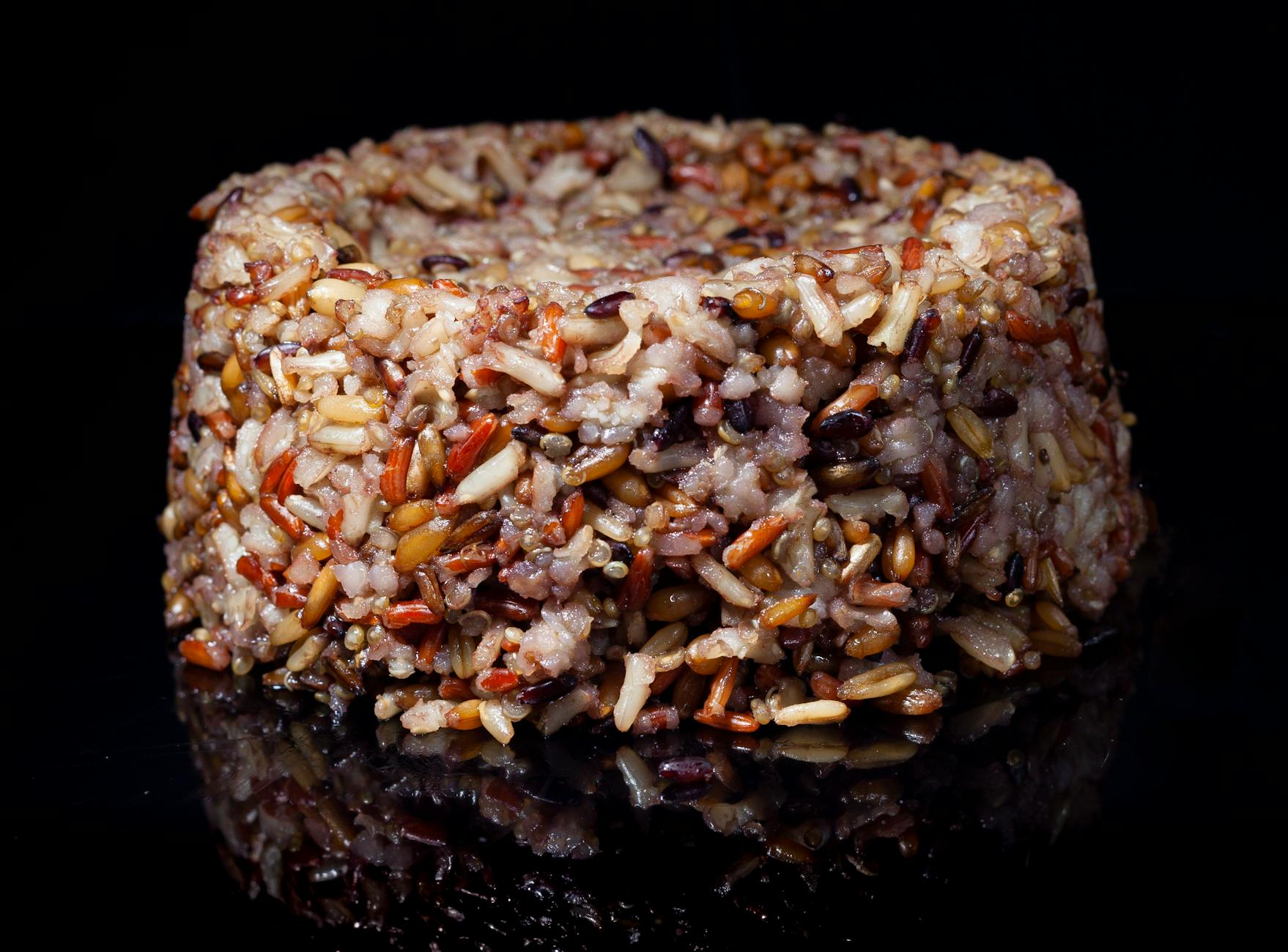
When it comes to carbohydrates, opt for complex ones like whole grains (oats, quinoa, brown rice), legumes (beans, lentils), and starchy vegetables (sweet potatoes). These are digested more slowly, leading to a gentler rise in blood sugar and a more moderate insulin response compared to refined carbohydrates found in white bread, sugary cereals, and pastries. Incorporating fiber-rich foods is also highly beneficial, as fiber helps slow down sugar absorption and can improve how your body uses insulin. You can find excellent sources of fiber in fruits, vegetables, and whole grains.
Lean protein sources, such as fish, poultry, beans, and tofu, are important for satiety and can help stabilize blood sugar levels. Pairing protein with carbohydrates at meals can further blunt the blood sugar response. Don’t shy away from healthy fats either; avocados, nuts, seeds, and olive oil are excellent choices that can support overall health and may play a role in improving insulin sensitivity. Remember, consistency is more important than perfection. Small, sustainable changes to your eating habits can lead to substantial improvements over time.
Scientific References
This article was developed based on peer-reviewed research. For more detailed clinical data, please refer to the original study:
Support Our Research
If you found this evidence-based article helpful, consider supporting Dr. Julian Hayes and The Health Desk’s mission to make scientific research accessible to everyone.
☕ Support with Credit Card or Crypto
Secure payments via NOWPayments.