
Understanding insulin resistance and dietary patterns
Insulin resistance is a condition where your body’s cells don’t respond well to insulin, a hormone that helps glucose (sugar) from your bloodstream get into your cells for energy. Think of insulin as a key that unlocks your cells to let sugar in. When you’re insulin resistant, the lock is a bit sticky, and the key doesn’t work as easily. This means sugar can build up in your blood, which over time can lead to type 2 diabetes and other health problems.
Diet plays a significant role in how our bodies manage insulin. Certain eating patterns can either help improve insulin sensitivity or contribute to insulin resistance. For instance, diets high in processed foods, sugary drinks, and unhealthy fats can make it harder for your cells to use insulin effectively. On the other hand, a diet rich in whole foods like fruits, vegetables, lean proteins, and healthy fats can support better insulin function.
Understanding the connection between what you eat and how your body handles insulin is a crucial step in managing or preventing insulin resistance. It’s not about restrictive dieting, but rather making informed choices that nourish your body and help it work optimally. We’ll explore specific dietary approaches that are known to be beneficial.
The Biological Mechanism
To truly grasp how diet impacts insulin resistance, let’s delve a bit into the biological side of things. When you eat, particularly carbohydrates, your body breaks them down into glucose, which then enters your bloodstream. This rise in blood sugar signals your pancreas to release insulin. Insulin acts like a messenger, telling your cells to take up that glucose for energy. In a state of insulin resistance, this communication pathway becomes less efficient. Your cells don’t “hear” the insulin signal as well, so glucose struggles to get inside. To compensate, your pancreas works harder, producing even more insulin to try and force the glucose into cells. This can lead to a cycle of high blood sugar and persistently high insulin levels, which, over time, can contribute to conditions like type 2 diabetes. The foods we consume directly influence how much glucose enters our blood and how effectively our cells respond to insulin’s call.
Key Takeaways and Actionable Steps
Understanding insulin resistance is the first step, but knowing what to do about it is where real change happens. The good news is that your dietary choices have a powerful influence on how your body manages insulin. Focusing on whole, unprocessed foods is key. This means filling your plate with plenty of colorful vegetables, fruits, lean proteins, and healthy fats. These nutrient-dense foods help stabilize blood sugar levels and can improve your cells’ sensitivity to insulin.
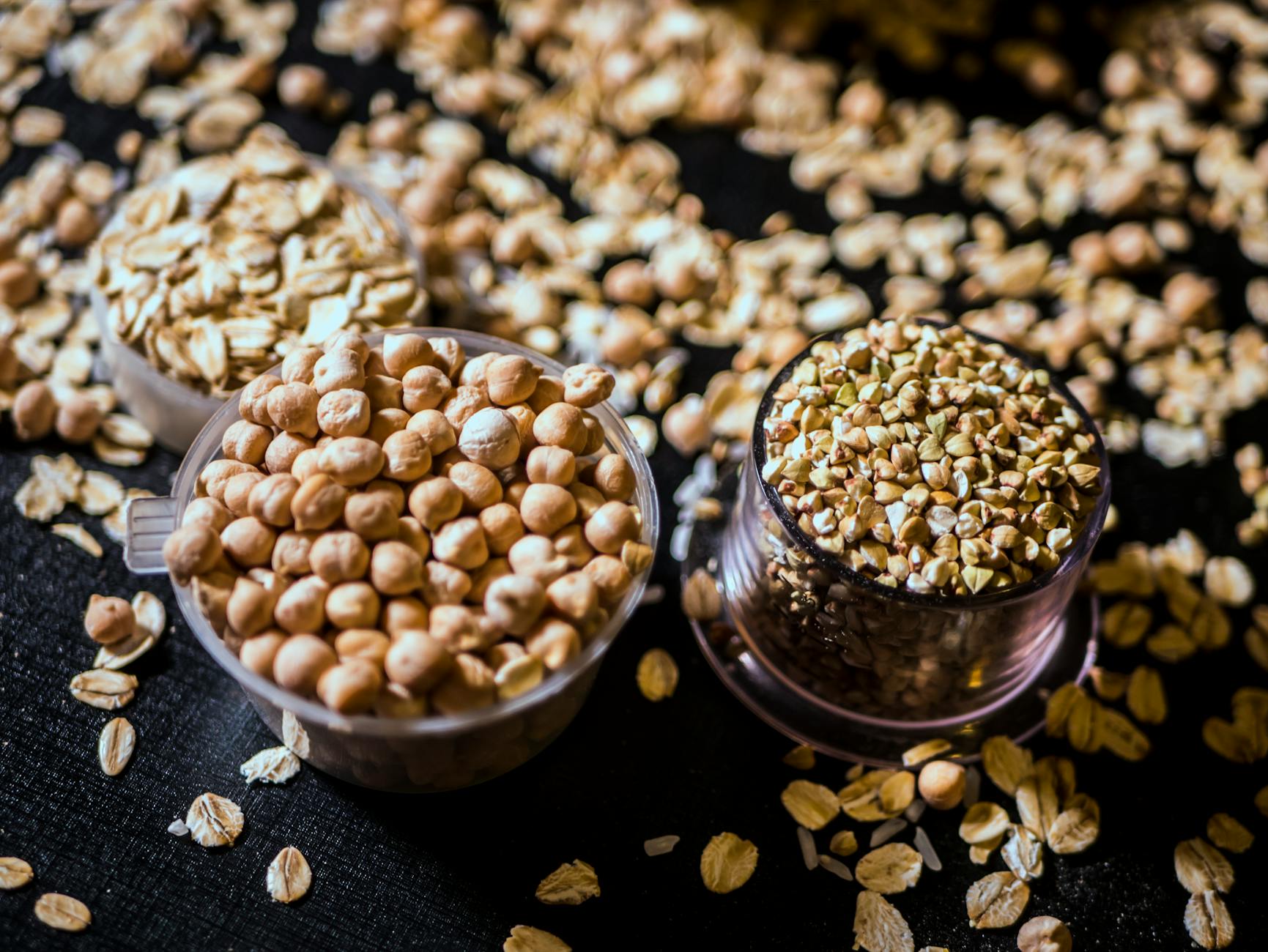
When you’re looking at your meals, think about incorporating foods that are known to support metabolic health. For example, fiber-rich foods like beans, lentils, and whole grains can slow down sugar absorption, preventing sharp spikes in blood glucose. Healthy fats found in avocados, nuts, seeds, and olive oil also play a role in reducing inflammation and improving insulin function. Lean protein sources, such as fish, chicken, and tofu, help you feel full and can also contribute to better blood sugar control.
Making gradual changes is often more sustainable than drastic overhauls. Consider starting with one meal a day and focusing on improving its nutritional quality. Perhaps swap out sugary cereals for oatmeal topped with berries and nuts, or choose a salad with grilled chicken for lunch instead of a processed sandwich. Small, consistent steps can lead to significant improvements in your body’s ability to manage insulin effectively. Remember, this is about nourishing your body for long-term well-being, not about strict deprivation.
Scientific References
This article was developed based on peer-reviewed research. For more detailed clinical data, please refer to the original study:
Support Our Research
If you found this evidence-based article helpful, consider supporting Dr. Julian Hayes and The Health Desk’s mission to make scientific research accessible to everyone.
☕ Support with Credit Card or Crypto
Secure payments via NOWPayments.