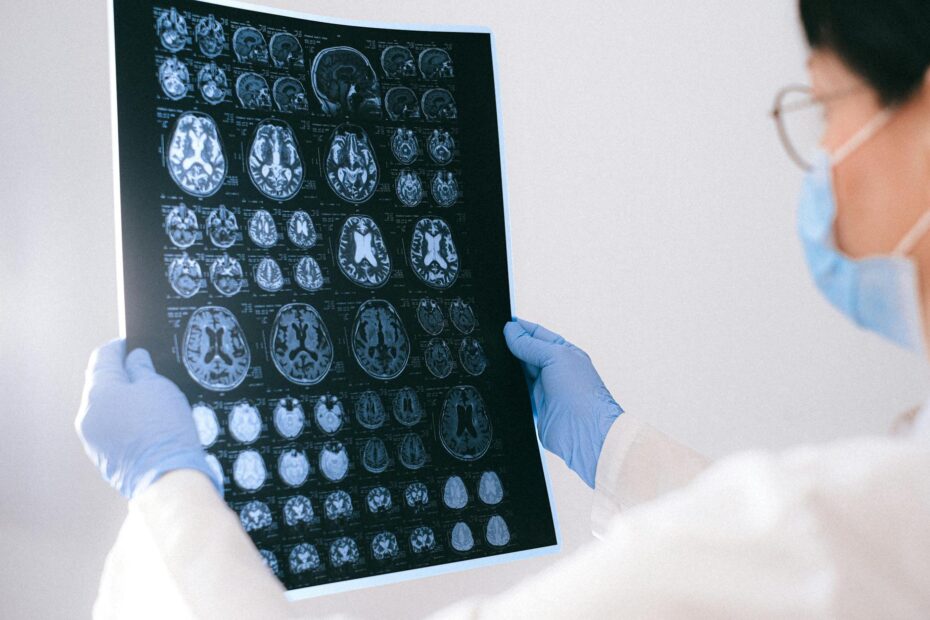
Unlocking the Mind: How Psychedelics Affect the Brain
Psychedelics, substances like psilocybin (found in magic mushrooms) and LSD, are increasingly being studied for their profound effects on the brain. Research, including recent findings highlighted by The New York Times, suggests these compounds can alter brain activity in fascinating ways. They appear to increase connectivity between different brain regions that normally don’t communicate much, essentially breaking down rigid thought patterns and allowing for new perspectives. This enhanced communication might be key to their potential therapeutic benefits, offering a novel approach to understanding and treating various mental health conditions.
The Brain’s Inner Workings: What Happens When Psychedelics Enter?
Once psychedelics like psilocybin (found in certain mushrooms) or LSD enter your system, they make their way to the brain quite rapidly, initiating a cascade of effects. Their primary action involves interacting with specific receptors on brain cells, particularly a type of serotonin receptor known as 5-HT2A. Serotonin is a crucial neurotransmitter (a chemical messenger) that plays a significant role in regulating mood, perception, and cognition.
When psychedelics bind to these 5-HT2A receptors, they don’t just ‘turn on’ or ‘turn off’ a switch; instead, they modulate (adjust) the way brain cells communicate. This interaction can lead to profound temporary changes in how different parts of the brain communicate and process information, as highlighted by recent research, including findings reported by The New York Times. This isn’t about damaging the brain, but rather temporarily shifting its operational mode.
One notable effect is on the ‘Default Mode Network’ (DMN), a collection of brain regions that are typically active when our minds are wandering, reflecting on ourselves, or planning for the future. Psychedelics can temporarily reduce activity in this network. This reduction is thought to contribute to the feeling of ego dissolution (a temporary loss of self-identity) and the shift away from habitual thought patterns, allowing for new perspectives and insights. It’s this unique modulation of brain activity and perception that makes these compounds so intriguing for scientific study, particularly in understanding consciousness and exploring new avenues for mental well-being.
Rewiring Perception: How Psychedelics Influence Our Thoughts and Senses
When we talk about how psychedelics affect the brain, it’s really about how they can change the way we perceive the world and our own thoughts. These substances, like psilocybin and LSD, interact with our brain’s communication systems, particularly by influencing serotonin receptors. This interaction doesn’t just alter mood; it can fundamentally shift how our senses are processed and how we interpret information.

Imagine your brain has usual pathways for processing sensory input – what you see, hear, and feel. Psychedelics can temporarily loosen the grip of these established pathways. This can lead to what’s often described as a “loosening” of perception, where ordinary sights might appear more vibrant, sounds more complex, or even where synesthesia (experiencing one sense through another, like “seeing” sounds) can occur. This isn’t about hallucinating in a disconnected way, but rather a profound alteration in the *quality* of sensory experience.
Furthermore, this rewiring extends to our thought processes. By influencing the brain’s networks, psychedelics can help break free from rigid or repetitive thinking patterns. This can foster a sense of openness and allow for novel connections between ideas that might not typically be made. This ability to shift perspective is a key reason why researchers are exploring their potential in areas like psilocybin therapy for conditions where entrenched negative thought loops are a significant factor.
Beyond the Trip: Exploring Potential Brain Health Implications
While the immediate, profound experiences associated with psychedelics are temporary, the scientific community is increasingly interested in their potential for more lasting impacts on brain health and overall mental well-being. The focus here isn’t on the transient “trip” itself, but on how these substances might facilitate enduring changes in the brain’s structure and function, a concept known as brain plasticity.
Emerging research suggests that compounds like psilocybin may enhance this neuroplasticity, essentially making the brain more flexible and open to new connections. This isn’t about creating new brain cells, but rather strengthening existing connections and forming new pathways between neurons (nerve cells). This enhanced adaptability could be crucial for individuals struggling with conditions characterized by rigid thought patterns or emotional responses.
For instance, in conditions like severe depression, chronic anxiety, PTSD (post-traumatic stress disorder), and certain forms of addiction, the brain can get stuck in unhelpful loops. The temporary “loosening” effect of psychedelics, as reported by sources like The New York Times, might create a window of opportunity for therapeutic interventions. During this period of increased neuroplasticity, guided therapy can help individuals process difficult emotions, reframe negative thoughts, and develop healthier coping mechanisms. This is why many ongoing clinical trials are exploring the therapeutic potential of these substances when administered in carefully controlled, supportive environments.
The hope is that these experiences, when properly integrated, could lead to sustained improvements in mood, reductions in symptoms, and a general enhancement of cognitive function and emotional resilience. Scientists are diligently studying the precise mechanisms and the duration of these potential long-term effects, always prioritizing patient safety and ethical considerations in this promising new frontier of medicine.
Navigating the Science: Understanding Psychedelics Responsibly
As we delve deeper into how psychedelics affect the brain, it’s crucial to approach this fascinating area of science with a responsible and informed perspective. The research, including insights from publications like The New York Times, highlights the complex ways these substances interact with our neural pathways. Understanding these mechanisms is key to appreciating their potential therapeutic applications while also recognizing the importance of safety and proper guidance.
When considering the use of psychedelics, whether for therapeutic purposes or in a research setting, it’s paramount to do so under the supervision of trained professionals. This ensures that the experience is managed safely and that any insights gained can be effectively integrated. The goal is to harness the potential benefits, such as increased brain plasticity and altered perception, in a controlled environment that maximizes positive outcomes and minimizes risks. This careful approach is fundamental to advancing our understanding and ensuring the ethical application of psychedelic-assisted therapies.
Scientific References
This article was developed based on peer-reviewed research. For more detailed clinical data, please refer to the original study:
- Study: How Psychedelics Affect the Brain (Recent)
Support Our Research
If you found this evidence-based article helpful, consider supporting Dr. Julian Hayes and The Health Desk’s mission to make scientific research accessible to everyone.
☕ Support with Credit Card or Crypto
Secure payments via NOWPayments.