
At-Home Brain Stimulation: A New Frontier in Mental Wellness?
The idea of using brain stimulation devices in the comfort of your own home is an exciting prospect, potentially offering new avenues for managing mental well-being. While still an emerging area, research is exploring how these technologies might complement or even offer alternatives to traditional treatments like S.S.R.I.s (Selective Serotonin Reuptake Inhibitors), a common class of antidepressant medications. The goal is to make mental health support more accessible and personalized.
Beyond SSRIs: Could This Technology Offer a Different Path?
For many individuals navigating challenges like depression, Selective Serotonin Reuptake Inhibitors (S.S.R.I.s) have been a cornerstone of treatment. However, these medications don’t work for everyone, and some people experience side effects that make them difficult to continue. This is where the exploration of technologies like at-home brain stimulation becomes particularly compelling. As highlighted in a recent New York Times article, researchers are actively investigating whether these innovative devices could lessen psychiatry’s dependence on S.S.R.I.s, potentially offering a different avenue for managing mental health conditions.
Instead of directly altering brain chemistry with medication, these devices typically work by delivering gentle electrical or magnetic pulses to specific areas of the brain. The aim is to modulate neural activity (the way brain cells communicate), which can help rebalance neurological pathways associated with mood regulation. For someone who hasn’t found relief with traditional antidepressant medications, or who is seeking non-pharmacological options, this approach could represent a significant step forward in personalized care. It opens the door to alternative treatments that might target the underlying issues of depression and other mood disorders in a different way, contributing to overall well-being.
The potential for at-home use also speaks to a future where mental health support is more integrated into daily life, empowering individuals with tools they can use under medical guidance. While still undergoing rigorous study and regulatory review, the promise of such technology lies in its ability to offer a complementary or even primary treatment path for those seeking effective strategies beyond conventional pharmacology.
Understanding the Science: How Does At-Home Brain Stimulation Work?
The idea of using brain stimulation devices at home might sound like science fiction, but the science behind it is quite fascinating. These devices generally work by using very mild electrical currents or magnetic pulses to gently influence specific areas of your brain. Think of it like nudging a complex network of communication lines – the goal is to help these lines work more efficiently. This process is known as neuromodulation, and it aims to rebalance the brain’s activity, particularly in regions that are involved in regulating mood and emotions.
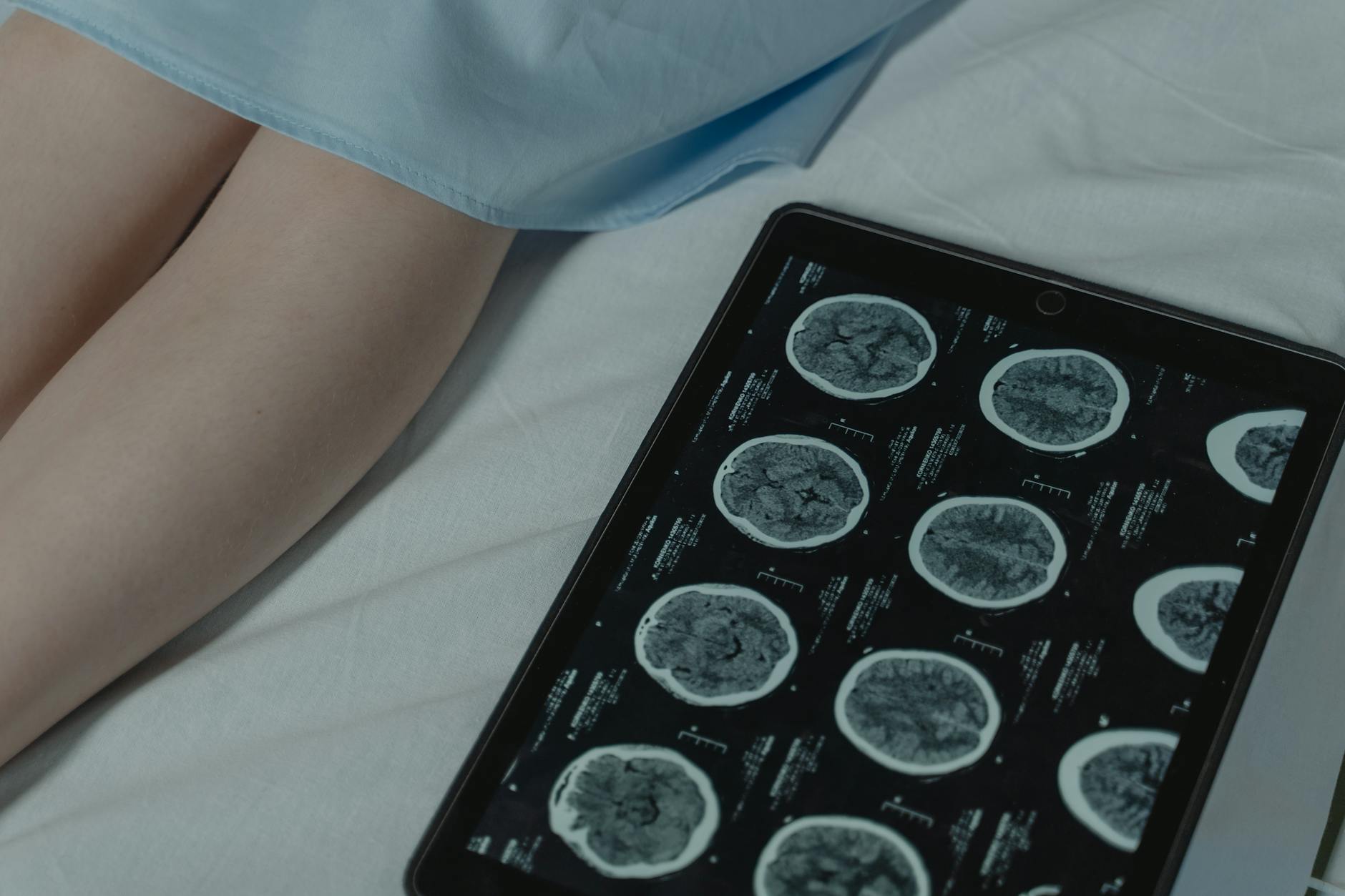
One common type of stimulation being explored is transcranial direct current stimulation (tDCS). With tDCS, a low electrical current is passed through the scalp to specific brain areas. Another method is transcranial magnetic stimulation (TMS), which uses magnetic fields to stimulate nerve cells. The New York Times recently discussed how these technologies are being investigated for their potential to reduce reliance on medications like S.S.R.I.s. The underlying principle is to encourage the brain to function in a way that naturally improves mood, rather than solely relying on external chemical adjustments.
Safety, Efficacy, and What’s Next for At-Home Mental Health Support
As we explore the exciting potential of at-home brain stimulation, it’s natural to ask about its safety and how well it actually works. The journey from innovative concept to widespread clinical use involves rigorous testing and careful evaluation. For any new medical technology, especially one intended for use outside a clinical setting, safety is paramount. Current research suggests that many of these devices, when used as directed and under professional guidance, have a favorable safety profile. Side effects are generally mild and temporary, such as slight skin irritation at the electrode site or a mild headache, as studies continue to monitor their long-term impact.
Regarding efficacy (how well it works), the picture is still developing. While some studies have shown promising results for conditions like depression, particularly for individuals who haven’t responded to traditional treatments, more extensive research is needed. The New York Times recently highlighted the ongoing investigation into whether at-home brain stimulation could reduce psychiatry’s reliance on S.S.R.I.s, underscoring the potential but also the need for robust, large-scale clinical trials. It’s crucial to understand that while some devices might be FDA-cleared for specific uses, others are still considered experimental. Always ensure any device you consider has appropriate regulatory approval for its intended purpose and is used under the supervision of a qualified healthcare professional.
Looking ahead, the future of at-home mental health support is bright with possibilities. We could see increasingly personalized treatment protocols, where devices are tailored to an individual’s unique brain activity patterns. This technology also holds promise for integrating seamlessly with telehealth services, allowing doctors to monitor progress and adjust treatment remotely, making mental health care more accessible and convenient. The question of `Could at-home brain stimulation` truly become a cornerstone of mental wellness hinges on continued scientific inquiry, transparent reporting of results, and a commitment to patient safety and well-being. As research evolves, these tools could offer valuable new options, complementing existing therapies and empowering individuals in their journey toward better mental health.
Scientific References
This article was developed based on peer-reviewed research. For more detailed clinical data, please refer to the original study:
Support Our Research
If you found this evidence-based article helpful, consider supporting Dr. Julian Hayes and The Health Desk’s mission to make scientific research accessible to everyone.
☕ Support with Credit Card or Crypto
Secure payments via NOWPayments.