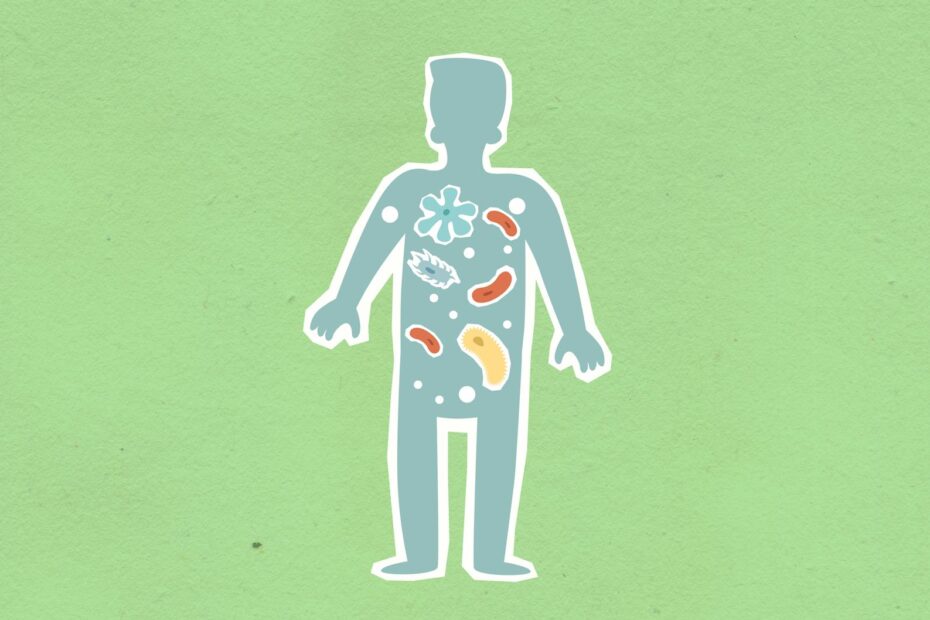
Your Gut Health: A Hidden Key to Metabolic Syndrome?
The intricate world of your gut, teeming with trillions of microorganisms, plays a surprisingly significant role in your overall health, and emerging research suggests it might be a hidden key to understanding and managing metabolic syndrome. This complex condition, characterized by a cluster of risk factors like high blood pressure, high blood sugar, unhealthy cholesterol levels, and excess abdominal fat, significantly increases your risk for heart disease, stroke, and type 2 diabetes. While we often focus on diet and exercise, the balance of bacteria, fungi, and viruses in your digestive tract – collectively known as the gut microbiome – is increasingly being recognized as a crucial player.
Think of your gut microbiome as a bustling internal ecosystem. When this ecosystem is diverse and balanced, it helps your body digest food, produce essential vitamins, and even influences your immune system. However, an imbalance, often referred to as dysbiosis, can lead to inflammation and disrupt various bodily functions, potentially contributing to the development of metabolic syndrome. Studies published in journals like PubMed highlight how specific microbial profiles have been linked to increased insulin resistance and altered fat metabolism, both hallmarks of metabolic syndrome. This connection means that nurturing a healthy gut could be a powerful strategy in preventing or improving this condition.
Understanding Metabolic Syndrome: What You Need to Know
Metabolic syndrome isn’t just one health issue; it’s a group of conditions that, when they occur together, significantly raise your risk for serious problems like heart disease, stroke, and type 2 diabetes. The key components often include high blood pressure (hypertension), high blood sugar (hyperglycemia), unhealthy levels of fats in your blood (like high triglycerides and low HDL cholesterol), and excess abdominal fat. It’s like a perfect storm of risk factors brewing within the body.
The tricky part about metabolic syndrome is that its individual components might not cause noticeable symptoms on their own, especially in the early stages. This is why it can go undetected for a while. However, the underlying processes, such as increased inflammation and insulin resistance (where your body’s cells don’t respond well to insulin, a hormone that regulates blood sugar), are actively harming your body. Recognizing these interconnected factors is the first step toward managing them effectively. Interestingly, some patients are now exploring unconventional avenues, like using AI chatbots, to navigate complex health information and even advocate for themselves, though the effectiveness can vary, as reported by The New York Times.
The Gut Microbiome’s Role in Metabolic Health
The delicate balance within your gut microbiome has a profound impact on your metabolic health, influencing how your body processes energy and manages key indicators associated with metabolic syndrome. When the trillions of microbes in your digestive tract are in harmony, they contribute to efficient digestion, help regulate blood sugar levels, and can even influence how your body stores fat. This intricate relationship means that disruptions to this microbial community, a state known as dysbiosis, can have far-reaching consequences.

For instance, certain gut bacteria can produce short-chain fatty acids (SCFAs) when they ferment dietary fiber. These SCFAs are not just byproducts; they are vital compounds that can help reduce inflammation throughout the body and improve insulin sensitivity. Insulin sensitivity is crucial because it determines how well your cells respond to insulin, the hormone responsible for moving sugar from your bloodstream into your cells for energy. When insulin sensitivity is low, it’s a condition called insulin resistance, a major factor in metabolic syndrome. Research suggests that an unhealthy gut microbiome may lead to reduced SCFA production or an increase in other microbial products that promote inflammation and insulin resistance.
Furthermore, the gut microbiome plays a role in regulating appetite and satiety signals. Some microbes can influence the production of hormones that tell your brain when you’re full, potentially impacting eating behaviors and overall calorie intake. An imbalance could disrupt these signals, contributing to overeating and weight gain, particularly around the abdomen, which is a key characteristic of metabolic syndrome. The complex interplay between your gut microbes and your body’s metabolic processes highlights why maintaining a diverse and thriving gut environment is so important for overall well-being.
Can Diet and Lifestyle Influence Your Gut for Better Metabolism?
Absolutely! The good news is that your diet and lifestyle choices are powerful tools that can significantly influence your gut microbiome and, in turn, improve your metabolic health. Think of it as tending to your internal garden – what you plant and how you care for it directly affects its growth and vitality.
When it comes to diet, focusing on fiber-rich foods is paramount. Fruits, vegetables, whole grains, and legumes are packed with prebiotics, which are essentially the favorite foods for beneficial gut bacteria. These microbes ferment the fiber, producing those helpful short-chain fatty acids (SCFAs) we discussed earlier. These SCFAs help reduce inflammation and improve insulin sensitivity, both crucial for managing metabolic syndrome. Conversely, a diet high in processed foods, sugar, and unhealthy fats can promote the growth of less beneficial bacteria, potentially leading to inflammation and disrupting metabolic processes.
Beyond what you eat, how you live matters too. Regular physical activity has been shown to promote a more diverse and beneficial gut microbiome. Exercise can increase the abundance of certain bacteria that are associated with improved metabolic health. Even moderate activity, like a brisk walk most days, can make a difference. Stress management is another often-overlooked factor. Chronic stress can negatively impact the gut microbiome, potentially altering its composition and function. Finding healthy ways to cope with stress, such as mindfulness, yoga, or spending time in nature, can have a positive ripple effect on your gut and your metabolism.
Adequate sleep is also fundamental. Poor sleep quality or insufficient sleep can disrupt the delicate balance of your gut bacteria. Aiming for 7-9 hours of quality sleep per night supports overall health, including a healthy gut environment. Finally, avoiding unnecessary antibiotics is important, as they can indiscriminately kill off both harmful and beneficial bacteria. If antibiotics are necessary, working with your doctor to support your gut health during and after treatment can be beneficial.
Exploring the Link: Gut Bacteria and Conditions like Diabetes and Obesity
The connection between the bacteria living in your gut and conditions like diabetes and obesity is a rapidly evolving area of research, and it’s quite fascinating. Think of your gut microbiome as a complex community of microorganisms, and disruptions within this community can have a significant impact on how your body manages sugar and stores fat. For instance, certain types of gut bacteria are known to influence how efficiently your body extracts energy from food and can even affect your appetite signals, potentially contributing to weight gain. This is why understanding the specific roles these microbes play is so important when we look at conditions like obesity.
When it comes to diabetes, particularly type 2 diabetes, the gut microbiome’s influence on insulin sensitivity is a key area of focus. As we’ve touched upon, a healthy gut can help produce beneficial compounds like short-chain fatty acids (SCFAs), which play a role in reducing inflammation and improving how your body responds to insulin. Conversely, an imbalanced microbiome might lead to less SCFA production or an increase in other substances that can promote inflammation and insulin resistance, a major precursor to type 2 diabetes. Research is actively exploring how specific bacterial profiles might be linked to the development or progression of these metabolic disorders.
Scientific References
This article was developed based on peer-reviewed research. For more detailed clinical data, please refer to the original study:
Support Our Research
If you found this evidence-based article helpful, consider supporting Dr. Julian Hayes and The Health Desk’s mission to make scientific research accessible to everyone.
☕ Support with Credit Card or Crypto
Secure payments via NOWPayments.