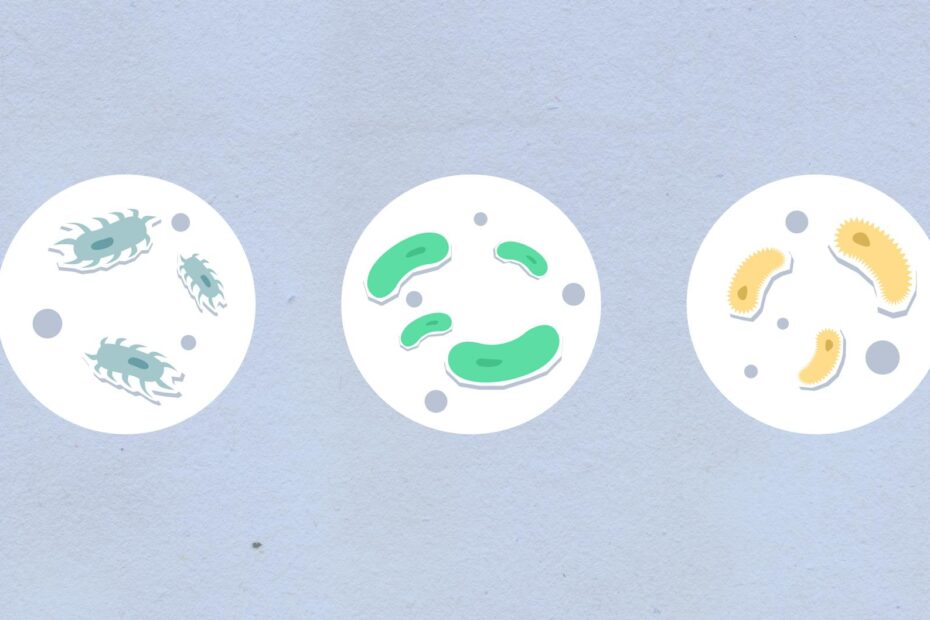
Your Gut Health: A Surprising Link to Metabolic Syndrome
It might surprise you to learn that the trillions of tiny organisms living in your gut, collectively known as the gut microbiome, can play a significant role in metabolic syndrome. This complex condition, which involves a cluster of risk factors like high blood pressure, high blood sugar, unhealthy cholesterol levels, and excess abdominal fat, is a major concern for heart health and diabetes risk. While we often think of diet and exercise as the primary drivers, the balance of bacteria in your digestive system is increasingly recognized as a key player. When this microbial community is out of balance (a state called dysbiosis), it can lead to inflammation and affect how your body processes sugar and fat, contributing to the development of metabolic syndrome.
Understanding Metabolic Syndrome: What You Need to Know
Metabolic syndrome isn’t just one condition, but rather a group of health issues that often occur together. Think of it as a collection of risk factors that significantly increase your chances of developing serious health problems down the road, such as heart disease, stroke, and type 2 diabetes. The key components that doctors look for include high blood pressure (hypertension), high blood sugar levels (often a precursor to diabetes), unhealthy levels of certain fats in your blood (like high triglycerides and low HDL cholesterol, often referred to as ‘good’ cholesterol), and carrying too much weight around your waist (abdominal obesity).
Having just one of these factors might be a concern, but when you have three or more, it’s diagnosed as metabolic syndrome. It’s a condition that often develops gradually and silently, meaning you might not feel any symptoms until it has progressed. This is why regular check-ups with your doctor are so important, as they can monitor these vital signs and blood markers. While the exact cause isn’t fully understood, factors like genetics, a sedentary lifestyle, and a diet high in processed foods and sugar are known to contribute significantly. Understanding these individual components is the first step in managing and potentially reversing the syndrome.
The Gut Microbiome’s Role in Metabolic Health
The intricate world within your digestive tract, your gut microbiome, is far more than just a passive bystander in your health. It’s a dynamic ecosystem that actively influences how your body manages energy and responds to metabolic challenges. When the balance of these beneficial microbes is disrupted, it can trigger a cascade of events that contribute to metabolic syndrome. For instance, certain gut bacteria can produce compounds that increase inflammation throughout the body, a known factor in the development of insulin resistance. Insulin resistance is a condition where your cells don’t respond well to insulin, the hormone that helps regulate blood sugar, leading to higher blood sugar levels.
Furthermore, the composition of your gut microbiome can affect how your body absorbs nutrients and stores fat. Some research, including findings discussed by Healthline regarding new therapies for conditions like osteoarthritis, highlights how complex biological systems can be influenced by various factors, suggesting a similar intricate relationship for our gut health and metabolic processes. An imbalanced microbiome might promote the storage of fat, particularly around the abdomen, which is a key characteristic of metabolic syndrome. It can also influence the levels of cholesterol and triglycerides in your blood, impacting your overall cardiovascular risk. Understanding these connections is crucial for developing effective strategies to manage and prevent metabolic syndrome.

Can We Influence Our Gut for Better Metabolic Health?
The good news is that the gut microbiome isn’t set in stone; it’s a dynamic environment that we can influence. This means we have the power to make changes that could lead to better metabolic health. Think of it like tending a garden – with the right care, you can encourage the growth of beneficial plants and keep the weeds at bay.
One of the most powerful ways to shape your gut microbiome is through your diet. What you eat directly feeds the bacteria in your gut. Focusing on a diet rich in fiber, found in fruits, vegetables, whole grains, and legumes, is incredibly beneficial. These fibers act as prebiotics, essentially food for the good bacteria, helping them thrive. Conversely, a diet high in processed foods, sugar, and unhealthy fats can promote the growth of less desirable microbes, potentially contributing to inflammation and metabolic issues.
Incorporating fermented foods into your meals can also be a great strategy. Foods like yogurt with live cultures, kefir, sauerkraut, and kimchi are rich in probiotics – live beneficial bacteria that can help rebalance your gut ecosystem. Regular consumption of these foods can introduce diverse strains of helpful microbes, supporting a healthier gut environment.
Beyond diet, lifestyle factors play a role too. Regular physical activity has been shown to positively impact the diversity and composition of the gut microbiome. Stress management techniques, such as mindfulness or yoga, can also be beneficial, as chronic stress can negatively affect gut health. While research is ongoing, the potential to influence our gut for improved metabolic health is a promising area of exploration.
Scientific References
This article was developed based on peer-reviewed research. For more detailed clinical data, please refer to the original study:
Support Our Research
If you found this evidence-based article helpful, consider supporting Dr. Julian Hayes and The Health Desk’s mission to make scientific research accessible to everyone.
☕ Support with Credit Card or Crypto
Secure payments via NOWPayments.