
Understanding the Rise of Free Births: What You Need to Know
The concept of a ‘free birth,’ where a pregnancy is managed entirely outside of conventional medical care, is gaining attention. This approach involves no doctors, midwives, or hospitals at any point during the pregnancy, labor, or delivery. While proponents may seek a more natural or empowering birth experience, it’s crucial to understand the significant risks involved, as highlighted by medical professionals and public health organizations.
Weighing the Potential Benefits of Unassisted Birth
While the medical community universally advises against unassisted births due to safety concerns, some individuals are drawn to this path seeking a deeply personal and empowering experience. For those considering it, the perceived benefits often revolve around a profound sense of autonomy and a desire to connect with the primal aspects of childbirth, free from the interventions that can sometimes accompany conventional medical settings. The idea is to fully trust one’s body and its innate ability to navigate labor and delivery, fostering a unique sense of accomplishment and spiritual connection to the process.
The Critical Concerns: What Medical Experts Say About Free Birth Risks
While the desire for an autonomous birth experience is understandable, medical experts express significant concerns about the safety of ‘free births.’ The primary worry is the lack of immediate medical support when complications arise, which can happen unexpectedly during pregnancy, labor, or delivery. Conditions like severe bleeding (hemorrhage), problems with the baby’s heart rate, or a failure for labor to progress can quickly become life-threatening for both the mother and the infant if not managed by trained professionals.
Organizations like the World Health Organization (WHO) emphasize the importance of skilled birth attendants and access to emergency obstetric care to ensure safe outcomes. Without these resources readily available, the risks associated with unassisted childbirth are considerably higher. For instance, a baby not getting enough oxygen during labor, a situation known as fetal distress, requires swift intervention to prevent brain damage or other serious issues. Similarly, postpartum hemorrhage, a major cause of maternal mortality worldwide, needs prompt medical treatment to control the bleeding.
Furthermore, ‘free births’ often forgo essential prenatal screenings and monitoring. These checks are vital for identifying potential risks early on, such as preeclampsia (a serious blood pressure condition during pregnancy) or issues with the placenta. Detecting these problems in advance allows for appropriate management and can significantly improve the chances of a healthy outcome. The absence of this medical oversight means that potential dangers might go unnoticed until they become critical.
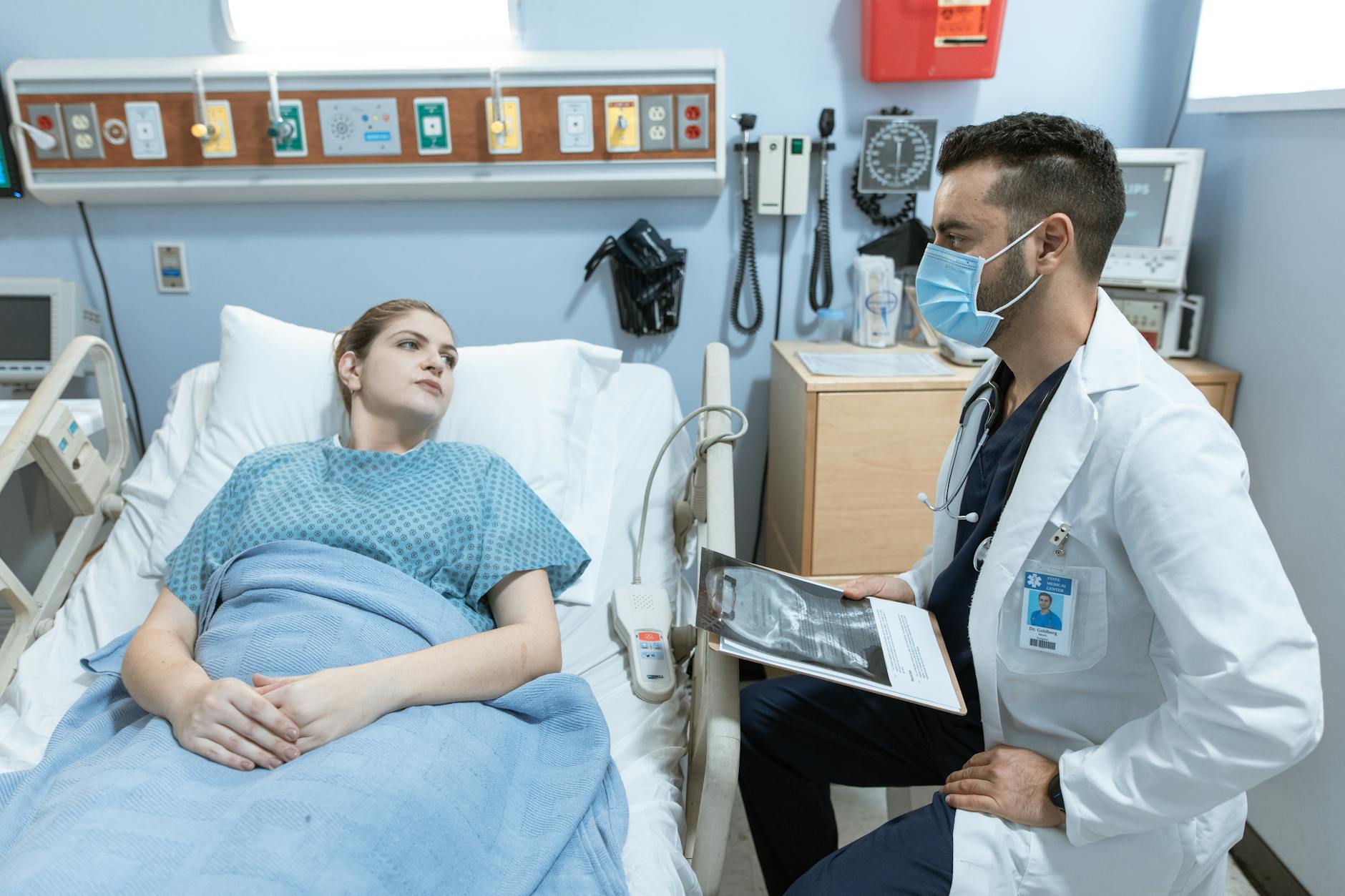
Making Informed Choices: Discussing Birth Options with Your Healthcare Provider
Deciding how and where to give birth is a deeply personal journey, and it’s completely natural to explore all your options. While the idea of a ‘free birth’ might appeal to some for its emphasis on autonomy, it’s essential to have a thorough understanding of all the potential pathways available to you and their associated safety measures. The most important step you can take is to have open and honest conversations with your healthcare provider. They are your best resource for understanding the nuances of pregnancy, labor, and delivery, and can help you weigh the pros and cons of different birth settings and approaches.
Your doctor or midwife can explain the standard of care, including the benefits of regular prenatal check-ups, which are designed to monitor both your health and your baby’s development. These appointments allow for the early detection of any potential complications, such as gestational diabetes or high blood pressure, and ensure you receive timely and appropriate management. They can also discuss the various levels of support available, from hospital births with access to a full range of medical interventions and specialists, to birthing centers, and planned home births attended by qualified midwives.
When discussing your preferences, don’t hesitate to ask questions about emergency protocols. Understanding what happens if unexpected issues arise during labor and delivery is crucial for making an informed decision. A healthcare provider can detail the procedures in place for managing complications like excessive bleeding or fetal distress, and explain the role of skilled birth attendants in ensuring the safety of both mother and baby. This knowledge empowers you to make choices that align with your desires for your birth experience while prioritizing the well-being of your family.
Scientific References
This article was developed based on peer-reviewed research. For more detailed clinical data, please refer to the original study:
Support Our Research
If you found this evidence-based article helpful, consider supporting Dr. Julian Hayes and The Health Desk’s mission to make scientific research accessible to everyone.
☕ Support with Credit Card or Crypto
Secure payments via NOWPayments.