
Your Morning Brew and Your Gut: A Surprising Connection
It might surprise you to learn that your daily cup of coffee, whether it’s a strong espresso or a decaf option, could be influencing your gut health in a significant way. Recent research, as highlighted by Healthline, suggests that coffee consumption can actually reshape your gut microbiome – the vast community of bacteria and other microbes living in your digestive tract. This alteration in your gut’s microbial landscape may even have a positive impact on how your body handles stress.
The Gut-Brain Axis: How Coffee Might Influence Your Mood
The connection between your gut and your brain is far more intricate than you might imagine. It’s often referred to as the gut-brain axis – a complex, two-way communication network that links your central nervous system (your brain and spinal cord) with your enteric nervous system (the “brain” in your gut). This axis allows your gut microbes to send signals to your brain, influencing everything from digestion to emotions and cognitive function.
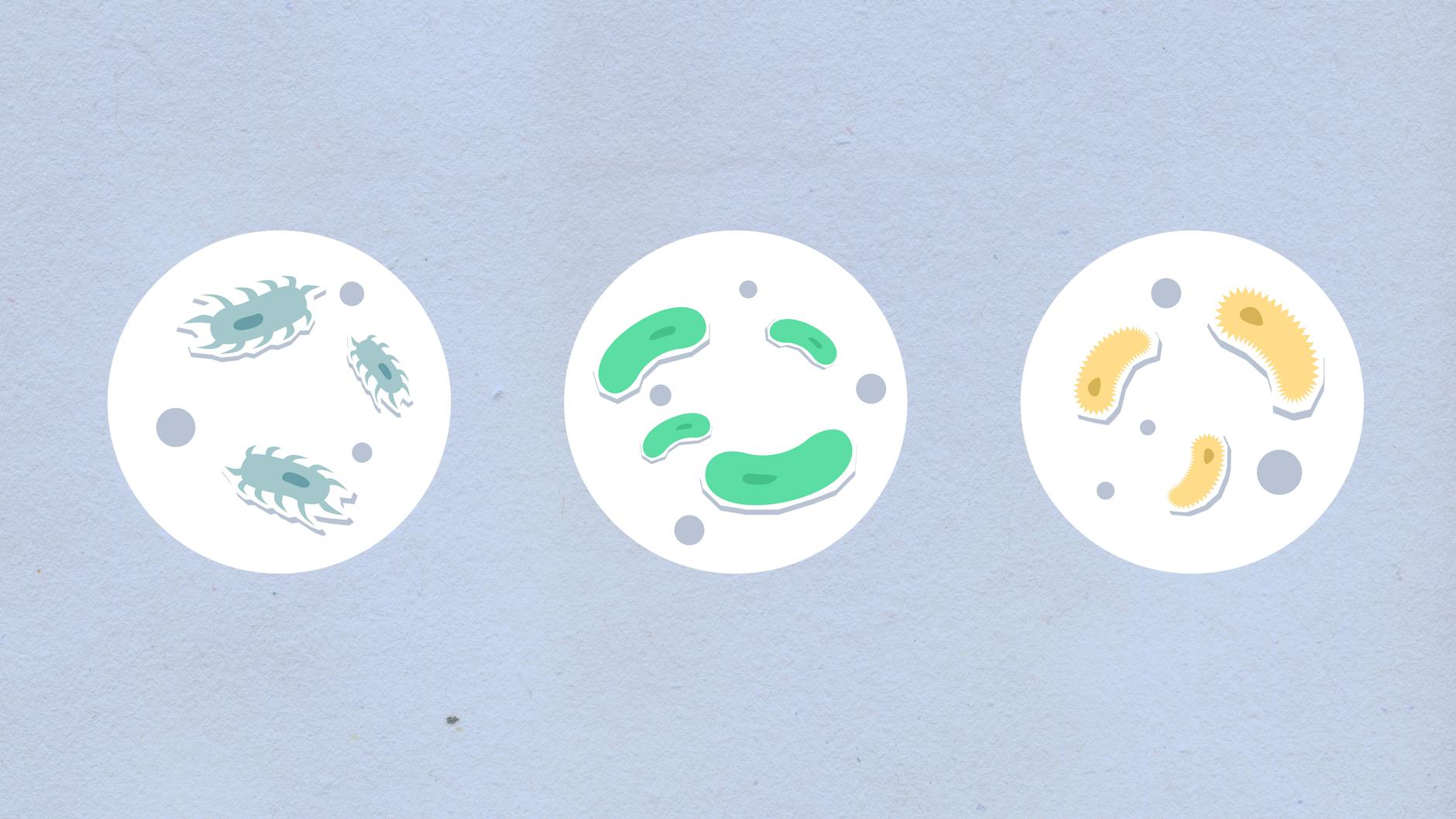
When we consider how coffee might influence your mood, we’re often looking at this fascinating connection. The recent report highlighted by Healthline suggests that coffee may alter the gut microbiome, the vast community of microorganisms living in your digestive tract. These changes in your gut’s microbial community can influence the production of various compounds, including neurotransmitters (chemical messengers that regulate mood) and short-chain fatty acids, which have systemic effects, including on brain health. For instance, a healthy gut microbiome can contribute to the production of serotonin, a neurotransmitter often associated with feelings of well-being and happiness.
Therefore, by potentially fostering a more balanced gut environment, regular coffee consumption, as part of your overall dietary patterns, could indirectly support mental well-being. It’s a compelling area of research that underscores how what we consume can have far-reaching effects beyond just our physical health, touching upon our emotional state as well.
Decaf’s Secret Power: Stress Relief Without the Jitters
Even if you’re sensitive to caffeine or prefer to avoid it, decaffeinated coffee might still offer some surprising benefits. The same research mentioned by Healthline indicates that decaf coffee can also positively influence your gut microbiome. This means you can potentially experience some of the stress-reducing effects associated with coffee without the stimulating impact of caffeine. It’s thought that other compounds in coffee, beyond just caffeine, play a role in these gut-altering and stress-modulating effects.
Sipping Towards Serenity: What This Means for Your Well-being
Understanding that your daily cup of coffee can influence your gut health and, in turn, your stress response, offers a new perspective on well-being. This isn’t just about a temporary caffeine boost; it’s about a deeper, more sustained impact on your body’s internal balance. The recent findings highlighted by Healthline suggest that `Coffee May Alter` your gut microbiome in ways that support a calmer state, whether you choose regular or decaffeinated options.
For many, managing daily `stress` is a significant challenge. Knowing that a simple, enjoyable part of your `dietary patterns` could contribute to your resilience against stress is empowering. It means that the compounds in coffee, beyond just caffeine, are working to foster a healthier environment within your digestive system, which then communicates with your brain to potentially reduce feelings of anxiety and promote a sense of serenity.
This insight encourages us to view our food and drink choices not just for their immediate nutritional value, but for their broader influence on our entire system, including our mental and emotional states. Integrating coffee into a balanced lifestyle, alongside other healthy habits, could be a simple yet effective strategy for enhancing your overall `well-being` and supporting a robust `gut microbiome`.
Scientific References
This article was developed based on peer-reviewed research. For more detailed clinical data, please refer to the original study:
Support Our Research
If you found this evidence-based article helpful, consider supporting Dr. Julian Hayes and The Health Desk’s mission to make scientific research accessible to everyone.
☕ Support with Credit Card or Crypto
Secure payments via NOWPayments.