Understanding Your Blood Pressure Numbers: What Do They Mean?
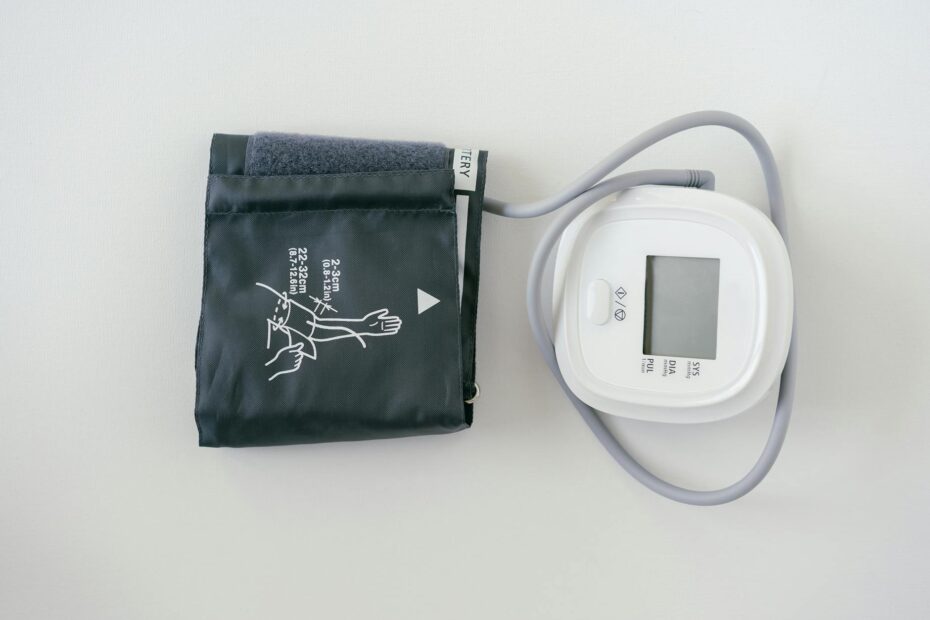
Understanding your blood pressure readings is key to managing your cardiovascular health. When you have your blood pressure checked, you’ll typically receive two numbers. The top number, known as systolic pressure, measures the force of your blood against your artery walls when your heart beats. The bottom number, called diastolic pressure, indicates the pressure in your arteries when your heart rests between beats.
For example, a reading of 120/80 mmHg (millimeters of mercury) is considered normal. The first number, 120, represents the systolic pressure, and the second number, 80, is the diastolic pressure. High blood pressure, or hypertension, is generally diagnosed when these numbers are consistently higher than normal. This condition can put extra strain on your heart and blood vessels over time, increasing the risk of serious health problems like heart disease and stroke.
It’s important to note that blood pressure can fluctuate throughout the day due to various factors like stress, physical activity, and even what you’ve eaten. That’s why healthcare providers often take multiple readings over time to get an accurate picture of your typical blood pressure. If your readings are consistently elevated, it’s a signal to discuss potential lifestyle changes with your doctor.
Lifestyle Tweaks for Healthier Blood Pressure
Making small, consistent changes to your daily routine can significantly impact your blood pressure. Think of it as a gradual but powerful way to support your heart health. One of the most effective strategies is adopting a balanced diet. Focusing on fruits, vegetables, whole grains, and lean proteins, while limiting processed foods, excessive salt, and saturated fats, can make a real difference. This approach is often referred to as the DASH (Dietary Approaches to Stop Hypertension) diet, and it’s a well-researched method for lowering blood pressure.
Regular physical activity is another cornerstone of blood pressure management. Aim for at least 150 minutes of moderate-intensity aerobic exercise per week, such as brisk walking, swimming, or cycling. Even incorporating short bursts of activity throughout the day can be beneficial. If you’re new to exercise, it’s always a good idea to consult with your doctor before starting a new fitness program.

Managing stress is also crucial. Chronic stress can lead to elevated blood pressure over time. Finding healthy ways to cope, like mindfulness, meditation, deep breathing exercises, or engaging in hobbies you enjoy, can help keep your stress levels in check. Adequate sleep is also vital; aim for 7-9 hours of quality sleep per night, as poor sleep can negatively affect blood pressure.
Limiting alcohol consumption and quitting smoking are also powerful steps you can take. Excessive alcohol intake can raise blood pressure, and smoking damages blood vessels, making them less flexible and contributing to hypertension. If you smoke, seeking support to quit is one of the best things you can do for your overall health, including your blood pressure.
The Power of Prevention: How Small Changes Make a Big Difference
It’s truly empowering to realize that many of the factors influencing our blood pressure are within our control. While medical treatments are essential for some, focusing on preventative lifestyle changes can make a significant difference for many. Think of it like building a strong foundation for your health – small, consistent efforts today can prevent bigger issues down the road.
One of the most impactful areas is our diet. Beyond just reducing salt, embracing a diet rich in fruits, vegetables, and whole grains, as recommended by approaches like the DASH diet, provides essential nutrients that support healthy blood vessel function. These foods are packed with vitamins, minerals, and fiber that work together to keep your circulatory system happy and healthy.
Regular movement is another key player. You don’t need to become a marathon runner overnight. Incorporating activities you enjoy, whether it’s a daily walk, dancing, or gardening, contributes to better cardiovascular health. The goal is to find a sustainable way to be active most days of the week. If you’re looking for ideas on how to get started, exploring lifestyle changes for high blood pressure can offer a wealth of practical suggestions.
Furthermore, paying attention to our mental well-being is just as important as our physical health. Chronic stress can have a tangible impact on our bodies, including our blood pressure. Finding effective stress-management techniques, such as deep breathing exercises, meditation, or simply making time for activities that bring you joy, can be incredibly beneficial.
Even seemingly small initiatives can have a large-scale impact. For instance, a recent report highlighted a significant vaccination effort that successfully delivered over 100 million childhood immunizations, demonstrating the power of organized, preventative health campaigns. This principle of proactive care, even on a smaller scale within our own lives, is fundamental to maintaining good health and preventing conditions like hypertension.
When to Seek Professional Guidance for Blood Pressure Management
While making positive lifestyle changes is incredibly beneficial for managing blood pressure, it’s also important to know when to seek advice from a healthcare professional. If you’ve made consistent efforts with diet and exercise but aren’t seeing the results you’d hoped for, or if your blood pressure readings remain elevated, it’s time to consult your doctor. They can provide a thorough evaluation, rule out any underlying medical conditions, and discuss further treatment options.
Don’t hesitate to reach out if you experience sudden symptoms like severe headaches, blurred vision, chest pain, or shortness of breath, as these could indicate a hypertensive crisis and require immediate medical attention. Your doctor can also help you understand your individual risk factors and tailor a management plan specifically for you. Remember, managing blood pressure is a partnership between you and your healthcare provider, and open communication is key to achieving the best outcomes.
Scientific References
This article was developed based on peer-reviewed research. For more detailed clinical data, please refer to the original study:
Support Our Research
If you found this evidence-based article helpful, consider supporting Dr. Julian Hayes and The Health Desk’s mission to make scientific research accessible to everyone.
☕ Support with Credit Card or Crypto
Secure payments via NOWPayments.