
The Silent Struggle: Why Sleep Matters More as We Age
As we get older, sleep can sometimes feel like a luxury we can’t quite grasp. It’s not uncommon for many to experience changes in their sleep patterns as the years go by, and this can have a significant impact on our overall well-being, particularly our heart and metabolic health. Think of sleep as a vital repair shop for your body. When we don’t get enough quality rest, this repair process gets disrupted, and that can lead to a cascade of issues.
This disruption is especially concerning because it can affect conditions like heart disease and diabetes, which are already more prevalent in older adults. The connection between poor sleep and these cardiometabolic issues is a growing area of research, highlighting just how crucial a good night’s sleep is for maintaining our health as we age. It’s a silent struggle for many, but understanding why it happens is the first step toward finding solutions.
Beyond Tired: Connecting Sleep to Heart Health and Metabolism
When we consistently miss out on adequate rest, our bodies face a cascade of internal challenges that directly impact our cardiovascular system and metabolism. It’s more than just feeling tired; it’s about the intricate processes that keep our heart beating strong and our energy systems balanced.
One significant area affected is our blood pressure. Insufficient sleep quality can keep our sympathetic nervous system (our body’s “fight or flight” response) activated for longer periods. This sustained activation can lead to higher blood pressure, placing extra strain on the heart and blood vessels over time. Furthermore, poor sleep disrupts how our bodies manage blood sugar. Even a few nights of inadequate rest can reduce insulin sensitivity, meaning our cells don’t respond as effectively to insulin, making it harder to absorb glucose (sugar) from the blood. This can elevate blood sugar levels, increasing the risk for developing or worsening type 2 diabetes and other metabolic issues.
Beyond blood pressure and sugar, sleep deprivation can also throw off the delicate balance of hormones that regulate appetite, such as ghrelin (which stimulates hunger) and leptin (which signals fullness). This imbalance can contribute to weight gain, a known risk factor for various chronic conditions affecting heart health. It also increases cortisol, a stress hormone, which can further impact our metabolism and contribute to inflammation throughout the body. Chronic inflammation, in turn, plays a role in the development of atherosclerosis (the hardening and narrowing of arteries).
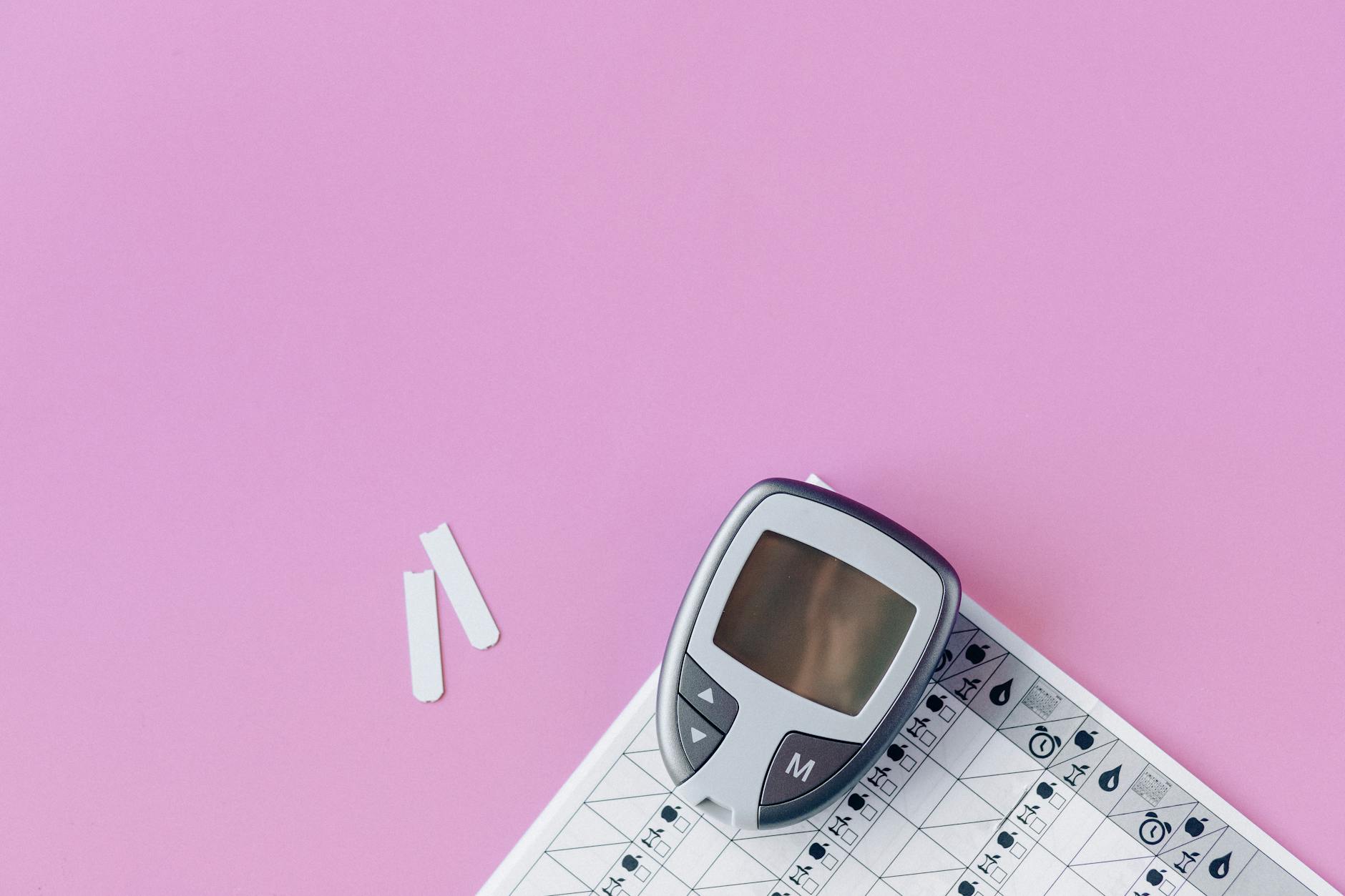
Addressing these complex interconnections often requires a holistic approach, and for many older adults, finding the right support can be crucial. A recent article in The New York Times, titled ‘The Help That Many Older Americans Need Most,’ highlights the vital role of community health care workers in assisting individuals, particularly older Americans, in navigating their health challenges and making necessary lifestyle changes to improve their overall well-being.
Understanding the Link: How Poor Sleep Fuels Cardiometabolic Risks
It’s clear that the quality of our sleep profoundly influences our heart and metabolic health. When we don’t get enough restorative sleep, our bodies can’t perform essential maintenance, leading to a higher risk for conditions like heart disease and type 2 diabetes. This isn’t just about feeling groggy; it’s about how our internal systems function.
One of the key ways poor sleep impacts us is by affecting our blood pressure. When we’re sleep-deprived, our “fight or flight” system can stay on alert for longer periods, which can lead to elevated blood pressure. Over time, this sustained strain can damage our blood vessels and heart. Furthermore, insufficient sleep makes our bodies less responsive to insulin, the hormone that helps regulate blood sugar. This means our cells struggle to take up glucose from the bloodstream, causing blood sugar levels to rise and increasing the likelihood of developing or worsening type 2 diabetes.
The disruption doesn’t stop there. Sleep deprivation also messes with the hormones that control our appetite, like ghrelin and leptin. This imbalance can lead to increased hunger and cravings, potentially contributing to weight gain, which is a significant risk factor for many heart-related issues. Additionally, stress hormones like cortisol can increase, further impacting our metabolism and promoting inflammation throughout the body. Chronic inflammation is a known contributor to the buildup of plaque in our arteries, a condition known as atherosclerosis, which narrows and hardens them.
Reclaiming Rest: Practical Steps for Better Sleep and a Healthier You
While the challenges of maintaining good sleep as we age are real, it’s empowering to know that there are many practical steps we can take to improve our rest and, in turn, bolster our overall cardiometabolic health. Reclaiming restorative sleep often begins with establishing consistent habits, sometimes referred to as good sleep hygiene. This means trying to go to bed and wake up around the same time each day, even on weekends, to help regulate your body’s natural sleep-wake cycle (circadian rhythm).
Creating a relaxing bedtime routine can also make a significant difference. This might involve winding down with a warm bath, reading a book, or practicing gentle stretching rather than engaging with screens (phones, tablets, computers) which emit blue light that can interfere with melatonin production (the hormone that signals sleep). Your sleep environment matters too; aim for a bedroom that is dark, quiet, and cool. Thoughtful adjustments to your lifestyle changes, such as moderating caffeine and alcohol intake, especially in the hours before bed, and avoiding heavy meals late in the evening, can also pave the way for better sleep quality. Regular physical activity, or exercise, during the day can promote deeper sleep at night, but it’s generally best to avoid intense workouts too close to bedtime.
Managing stress is another crucial component for achieving restful sleep. Techniques like mindfulness, meditation, or deep breathing exercises can help calm your mind before bed. For many older adults, navigating these changes can feel overwhelming, and that’s where support becomes invaluable. A recent article in The New York Times, titled ‘The Help That Many Older Americans Need Most,’ sheds light on the vital role of community health care workers. These dedicated professionals provide personalized guidance, helping individuals implement these lifestyle changes and connect with resources to improve their overall well-being, including their sleep patterns. They offer practical, hands-on assistance that can be transformative for those seeking a healthier you.
If you find that despite these practical steps, your sleep issues persist, it’s important to seek medical advice from your doctor. They can help identify underlying conditions or suggest further strategies to help you achieve the restorative sleep you need for optimal health.
Scientific References
This article was developed based on peer-reviewed research. For more detailed clinical data, please refer to the original study:
- Study: The Help That Many Older Americans Need Most (Recent)
Support Our Research
If you found this evidence-based article helpful, consider supporting Dr. Julian Hayes and The Health Desk’s mission to make scientific research accessible to everyone.
☕ Support with Credit Card or Crypto
Secure payments via NOWPayments.