
Understanding Insulin Resistance: What You Need to Know
Insulin resistance is a condition where your body’s cells don’t respond well to insulin, a hormone that helps regulate blood sugar. Think of insulin as a key that unlocks your cells to let glucose (sugar) in for energy. When you’re insulin resistant, the lock on the cell door becomes sticky, and the key doesn’t work as effectively. This means glucose has a harder time getting into your cells, leading to higher sugar levels in your bloodstream.
Over time, persistently high blood sugar can strain your pancreas, the organ that produces insulin. Eventually, the pancreas may not be able to keep up, which can lead to type 2 diabetes. It’s a gradual process, and many people might not even realize they have insulin resistance until it progresses further. Understanding this mechanism is the first step in managing it, and as we’ll explore, dietary patterns play a significant role in how our bodies handle insulin.
Dietary Patterns and Their Impact on Insulin Sensitivity
The foods we choose to eat have a profound effect on how well our bodies manage insulin. Certain dietary patterns can either help improve how your cells respond to insulin, a process known as insulin sensitivity, or contribute to insulin resistance. For instance, diets rich in processed foods, sugary drinks, and unhealthy fats are often linked to increased insulin resistance. These foods can cause rapid spikes in blood sugar, forcing your pancreas to work overtime to produce more insulin.
Conversely, a diet that emphasizes whole, unprocessed foods can be incredibly beneficial. Think of fruits, vegetables, lean proteins, and whole grains. These foods tend to release sugar into the bloodstream more slowly, preventing those sharp spikes and allowing your body to use insulin more effectively. Studies, such as those highlighted by the World Health Organization (WHO), consistently show that adopting a balanced eating pattern can significantly improve metabolic health and reduce the risk of developing conditions like type 2 diabetes. Making conscious choices about what you eat is a powerful tool in managing your body’s response to insulin.
Can Specific Foods Improve Insulin Resistance?
It’s a common question: can specific foods actually help improve insulin resistance? The answer is a resounding yes, though it’s important to view this as part of a larger, consistent dietary approach rather than a quick fix. Certain foods, when incorporated regularly into your meals, can positively influence how your body handles insulin.
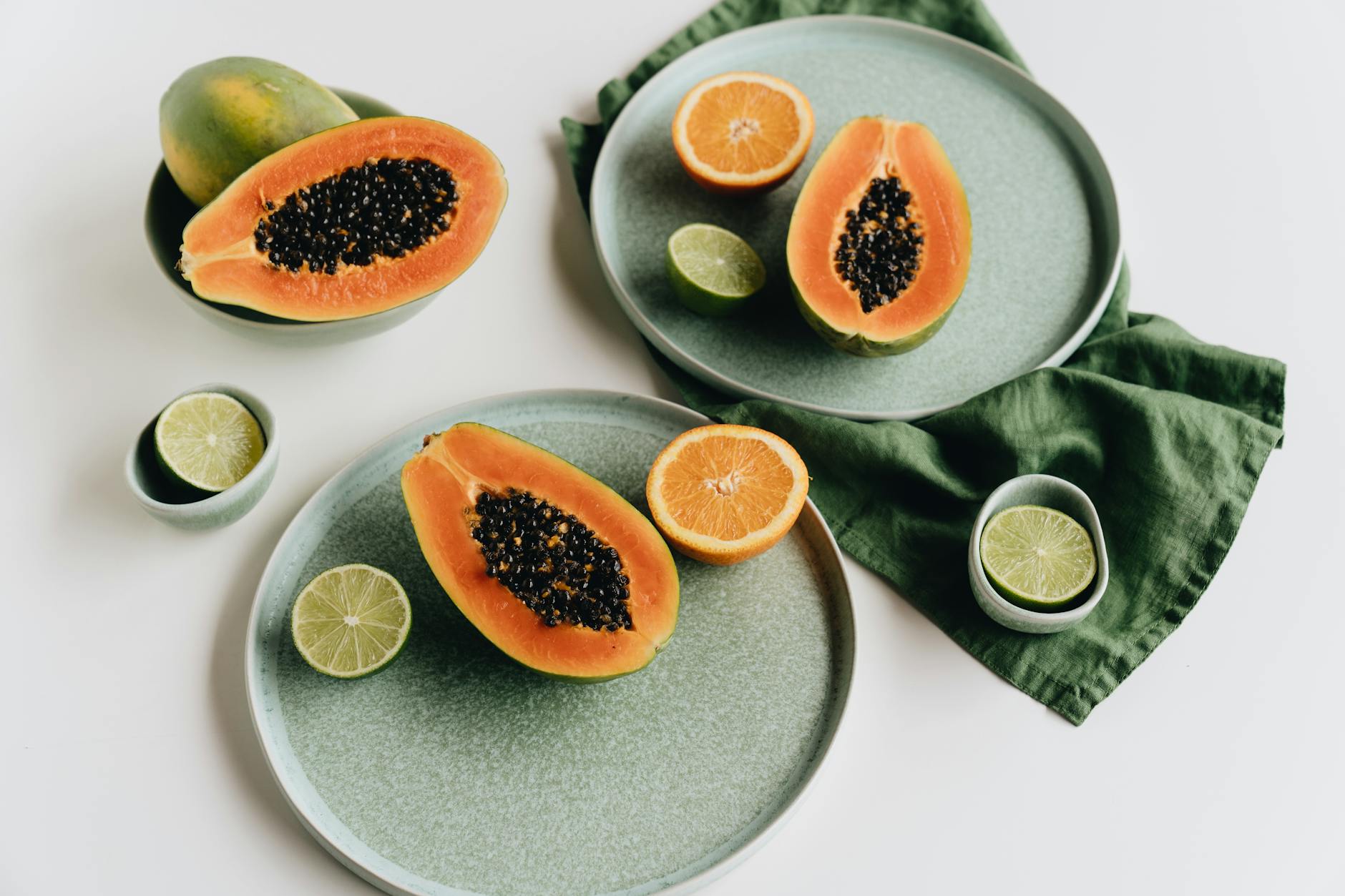
For example, foods rich in fiber, like non-starchy vegetables (think broccoli, spinach, and bell peppers) and whole grains (such as oats and quinoa), are excellent choices. Fiber helps slow down the absorption of sugar into your bloodstream, preventing those sharp spikes that can worsen insulin resistance. It also promotes a feeling of fullness, which can aid in weight management – another crucial factor in improving insulin sensitivity. The World Health Organization (WHO) often emphasizes the importance of fiber-rich diets for overall metabolic health.
Healthy fats also play a role. Avocados, nuts, seeds, and olive oil contain monounsaturated and polyunsaturated fats that can help reduce inflammation and improve insulin sensitivity. Lean protein sources, like fish, poultry, and legumes, are also beneficial. They help you feel satisfied and can have a more modest impact on blood sugar levels compared to refined carbohydrates.
On the flip side, it’s equally important to be mindful of foods that can exacerbate insulin resistance. Sugary drinks, refined grains (like white bread and pastries), and highly processed snacks often lead to rapid blood sugar increases. While a single instance of consuming these might not cause significant harm, their frequent presence in the diet can contribute to the ongoing challenge of insulin resistance. Making gradual, sustainable changes to your eating habits, focusing on whole, nutrient-dense foods, is key to supporting your body’s ability to manage blood sugar effectively.
Lifestyle Changes for Better Insulin Health
Beyond what we eat, our daily habits and lifestyle choices significantly influence how well our bodies manage insulin. It’s not just about the plate in front of you; it’s about the whole picture of your well-being. Regular physical activity, for instance, is a powerful ally in improving insulin sensitivity. When you exercise, your muscles use glucose for energy, which helps lower blood sugar levels. This process also makes your cells more responsive to insulin, essentially helping to “unlock” those cell doors more easily. Aiming for a mix of aerobic exercises (like brisk walking or cycling) and strength training can offer the most benefits for your metabolic health.
Getting enough quality sleep is another cornerstone of good insulin health. When we’re sleep-deprived, our bodies can experience hormonal changes that increase insulin resistance. Think of it this way: insufficient sleep can make your body feel stressed, and stress hormones can interfere with how insulin works. Establishing a consistent sleep schedule and creating a relaxing bedtime routine can make a real difference. For more on the importance of sleep, you might find our article on sleep hygiene helpful.
Managing stress is also crucial. Chronic stress can lead to elevated levels of cortisol, a hormone that can negatively impact blood sugar control and contribute to insulin resistance. Finding healthy ways to cope with stress, whether through mindfulness, meditation, yoga, or spending time in nature, can support your body’s ability to maintain balanced insulin levels. These lifestyle adjustments, when practiced consistently, work synergistically with a healthy diet to promote better insulin health and overall vitality.
Scientific References
This article was developed based on peer-reviewed research. For more detailed clinical data, please refer to the original study:
- Study: Her Self-Experiment with Drug Detox Almost Broke Her (Recent)
Support Our Research
If you found this evidence-based article helpful, consider supporting Dr. Julian Hayes and The Health Desk’s mission to make scientific research accessible to everyone.
☕ Support with Credit Card or Crypto
Secure payments via NOWPayments.