
Understanding Blood Pressure: What You Need to Know
Blood pressure is a vital sign that tells us how strongly blood is pushing against the walls of our arteries as the heart pumps it around the body. Think of it like the pressure in a garden hose – too much, and it can cause damage over time. When this pressure is consistently too high, it’s known as hypertension, or high blood pressure. This condition often doesn’t have obvious symptoms, which is why it’s sometimes called the “silent killer.” However, over time, untreated high blood pressure can significantly increase your risk for serious health problems like heart disease, stroke, and kidney failure.
Lifestyle Changes That Can Make a Real Difference
Making changes to your daily habits can have a profound impact on managing blood pressure. These lifestyle interventions are often the first line of defense and can work wonders alongside any medical treatment you might be receiving. One of the most effective strategies is adopting a heart-healthy diet. This typically involves reducing your intake of sodium (salt), which can cause your body to retain water and increase blood pressure. Instead, focus on fruits, vegetables, whole grains, and lean proteins. The DASH (Dietary Approaches to Stop Hypertension) diet is a well-researched eating plan that emphasizes these principles and has been shown to be very effective.
Regular physical activity is another cornerstone of blood pressure management. Aiming for at least 150 minutes of moderate-intensity aerobic exercise per week, such as brisk walking, swimming, or cycling, can help lower your blood pressure. Even small amounts of activity can make a difference, so find something you enjoy and can stick with. Beyond diet and exercise, maintaining a healthy weight is crucial. Losing even a small amount of weight if you are overweight can significantly contribute to lowering your blood pressure.
Managing stress effectively is also important. Chronic stress can lead to temporary spikes in blood pressure, and over time, it may contribute to long-term hypertension. Finding healthy ways to cope with stress, such as mindfulness, meditation, yoga, or simply spending time on hobbies you love, can be beneficial. Limiting alcohol consumption and quitting smoking are also vital steps. Excessive alcohol can raise blood pressure, and smoking damages blood vessels, making them narrower and less flexible, which also increases blood pressure.
It’s also worth noting the importance of adequate sleep. Not getting enough quality sleep can negatively affect your blood pressure. Establishing a regular sleep schedule and creating a relaxing bedtime routine can help improve sleep hygiene. These lifestyle adjustments, when practiced consistently, can lead to substantial improvements in your blood pressure readings and overall cardiovascular health. The World Health Organization (WHO) consistently highlights the importance of these preventive measures in global health strategies.
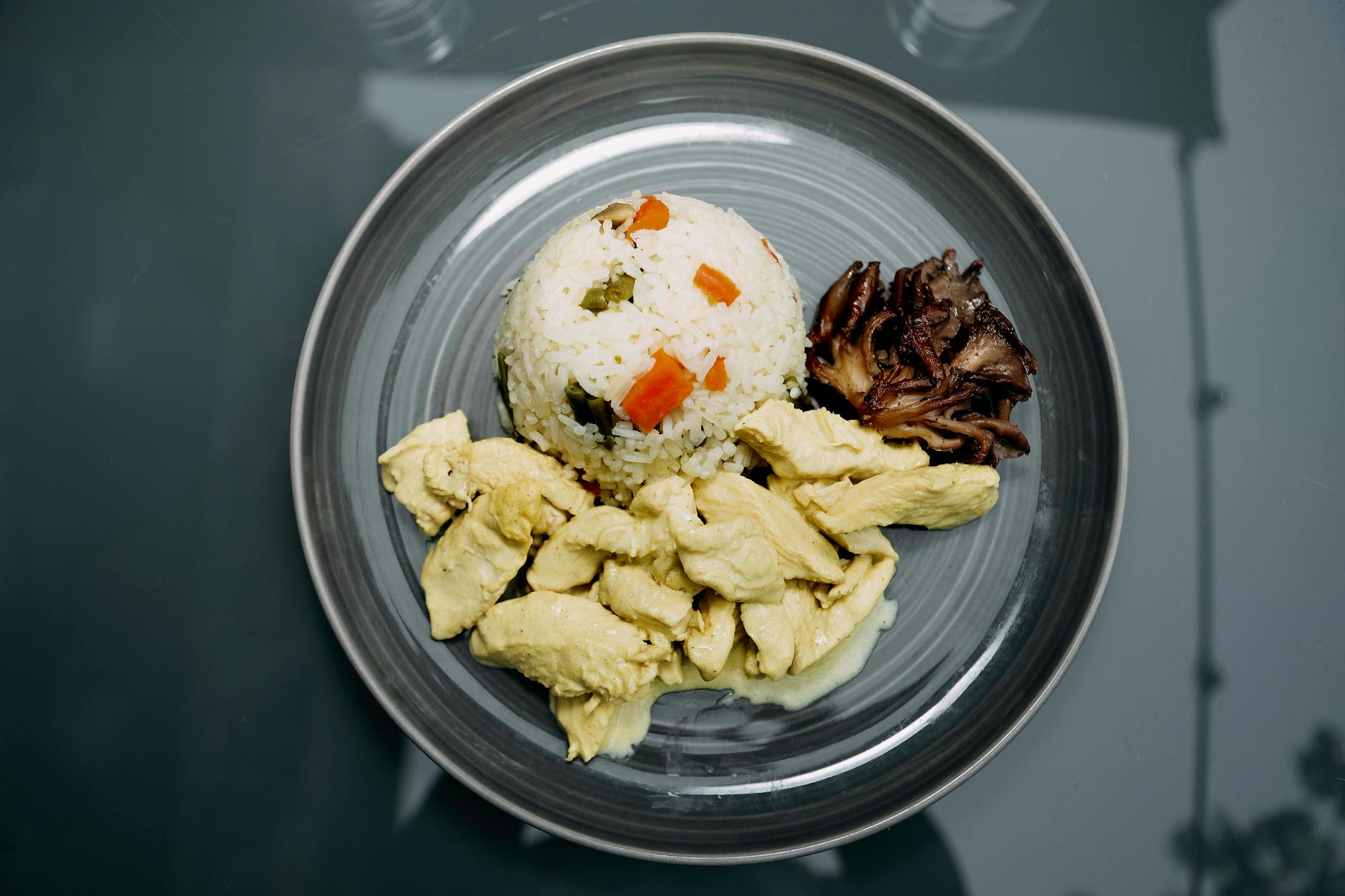
The Power of Diet and Exercise for Healthy Blood Pressure
When we talk about managing blood pressure, what we eat and how much we move are incredibly powerful tools. It’s not just about taking medication; these lifestyle choices can make a significant difference in keeping your blood pressure within a healthy range. Think of your diet as the fuel for your body. Reducing your intake of sodium, or salt, is a key step because excess salt can cause your body to hold onto water, which in turn increases blood pressure. Instead, focusing on a diet rich in fruits, vegetables, whole grains, and lean proteins provides your body with essential nutrients without putting extra strain on your cardiovascular system. The DASH (Dietary Approaches to Stop Hypertension) eating plan is a fantastic example of this, offering a structured way to eat for better blood pressure control.
Alongside a good diet, regular physical activity is essential. Aiming for at least 150 minutes of moderate-intensity aerobic exercise each week, like brisk walking or cycling, can help lower your blood pressure. It doesn’t have to be intense; consistency is more important. Even incorporating more movement into your day, like taking the stairs or going for short walks, can contribute positively to your blood pressure management. Combined, a balanced diet and consistent exercise form a strong foundation for a healthy heart.
Beyond Diet and Exercise: Other Key Lifestyle Factors
While diet and exercise are undeniably crucial for managing blood pressure, there are several other lifestyle factors that play a significant role in maintaining healthy readings. One of the most impactful is managing stress. Chronic stress can lead to temporary spikes in blood pressure, and over time, it may contribute to the development or worsening of hypertension. Finding healthy ways to cope with stress, such as practicing mindfulness, meditation, yoga, or engaging in enjoyable hobbies, can be incredibly beneficial for your cardiovascular health.
Limiting alcohol consumption is another important consideration. Excessive alcohol intake can raise blood pressure, and it’s recommended to drink in moderation if you choose to drink at all. For men, this generally means no more than two drinks per day, and for women, no more than one drink per day. Similarly, quitting smoking is one of the most significant steps you can take for your overall health, including your blood pressure. Smoking damages blood vessels, making them narrower and less flexible, which directly contributes to higher blood pressure.
Adequate sleep is also a vital, yet often overlooked, component of blood pressure management. Not getting enough quality sleep can negatively affect your blood pressure regulation. Establishing a regular sleep schedule and creating a relaxing bedtime routine can help improve your sleep hygiene and, in turn, support healthier blood pressure levels. These interconnected lifestyle adjustments, when practiced consistently, can lead to substantial improvements in your blood pressure readings and contribute to a healthier heart.
Scientific References
This article was developed based on peer-reviewed research. For more detailed clinical data, please refer to the original study:
- Study: Joint call by the President of the ICRC, the Director-General of WHO and the International President of MSF (Recent)
Support Our Research
If you found this evidence-based article helpful, consider supporting Dr. Julian Hayes and The Health Desk’s mission to make scientific research accessible to everyone.
☕ Support with Credit Card or Crypto
Secure payments via NOWPayments.