
Understanding aerobic exercise and cognitive function
When we talk about aerobic exercise and how it affects our thinking abilities, we’re essentially looking at how activities that get your heart pumping, like brisk walking, running, or swimming, can sharpen your mind. This type of exercise increases blood flow to the brain, delivering more oxygen and nutrients. Think of it like giving your brain a supercharged delivery service!
Research consistently shows a positive link between regular aerobic activity and improved cognitive function. This means better memory, sharper focus, and quicker problem-solving skills. For instance, studies published on platforms like PubMed highlight how consistent cardiovascular workouts can even help in building new brain cells and strengthening connections between them. It’s a powerful way to maintain brain health as we age.
The benefits aren’t just about immediate improvements; they also contribute to long-term brain resilience. Engaging in aerobic exercise can be a key component in a healthy lifestyle, supporting overall well-being and potentially reducing the risk of cognitive decline. It’s a proactive step you can take to keep your brain functioning at its best.
The Biological Mechanism
So, how exactly does getting your heart rate up translate into a sharper mind? It’s a fascinating biological process. When you engage in aerobic exercise, your body needs more oxygen, and your heart pumps faster to deliver it. This increased blood flow doesn’t just benefit your muscles; it significantly boosts the supply of oxygen and essential nutrients to your brain. This enhanced circulation is crucial for optimal brain function.
One of the key players in this process is a protein called Brain-Derived Neurotrophic Factor, or BDNF for short. Think of BDNF as a fertilizer for your brain cells. Aerobic exercise has been shown to increase the levels of BDNF in the brain. This remarkable protein helps to support the survival of existing neurons (your brain cells) and encourages the growth and differentiation of new neurons and synapses (the connections between brain cells). This neurogenesis and synaptogenesis are vital for learning, memory, and overall cognitive flexibility.
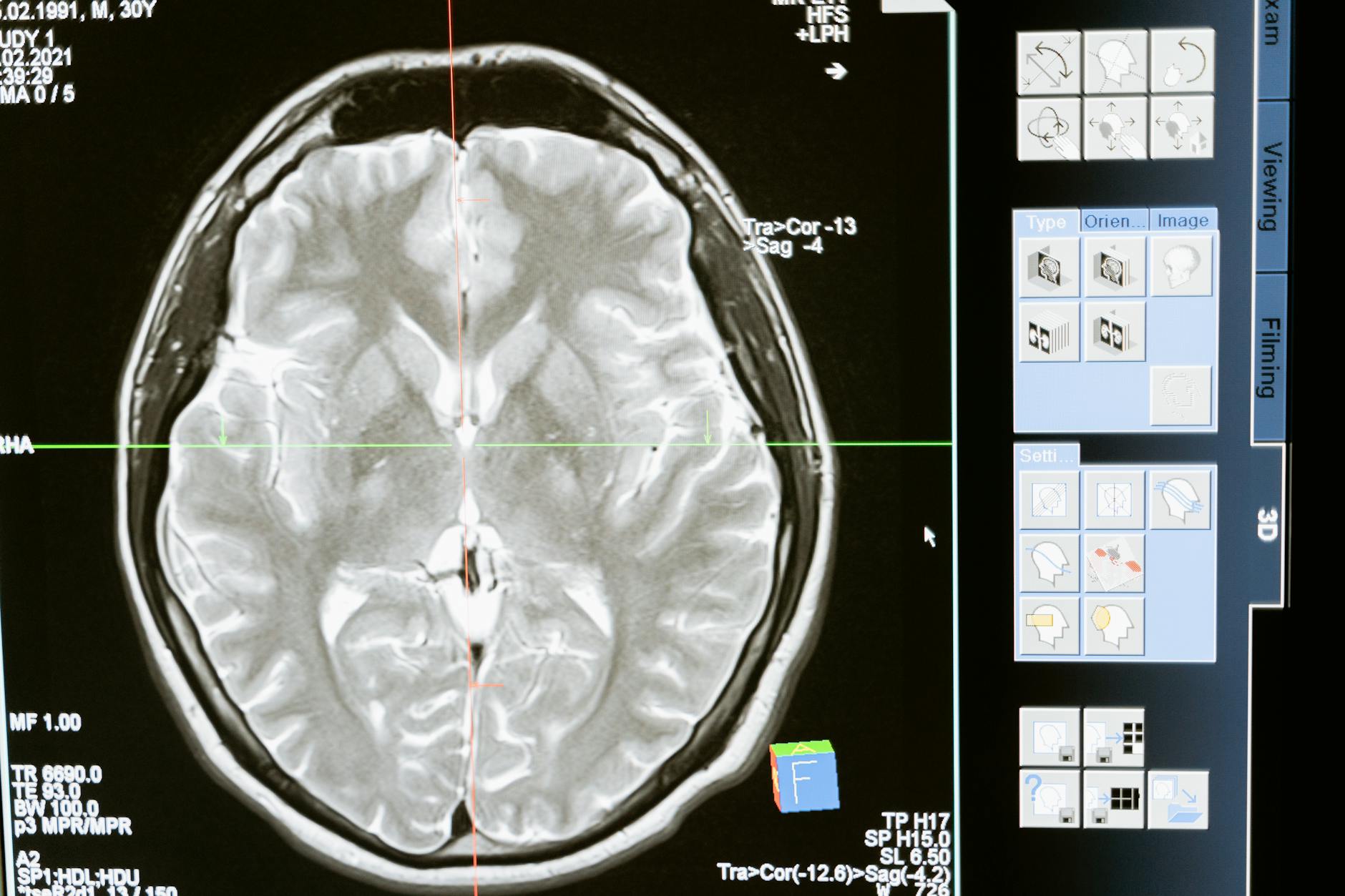
Furthermore, the improved blood flow helps to clear out waste products from the brain more efficiently. This is like a regular cleaning service for your brain, removing toxins that can accumulate over time and potentially impair cognitive function. The reduction in inflammation that often accompanies regular physical activity also plays a role in protecting brain health. While the exact mechanisms are still being explored, the evidence strongly suggests that aerobic exercise creates a more favorable environment for your brain to thrive.
Key Takeaways and Actionable Steps
The connection between moving your body and sharpening your mind is clear and supported by science. Regular aerobic exercise, the kind that gets your heart pumping and makes you breathe a little harder, is a powerful tool for boosting your cognitive function. This means not only can it help you think more clearly and focus better in the short term, but it also contributes to long-term brain health.
So, what can you do to harness these benefits? The good news is that incorporating aerobic activity into your routine doesn’t have to be complicated. Aim for consistency rather than intensity, especially when you’re starting out. Activities like brisk walking, cycling, dancing, or swimming are excellent choices because they are accessible and can be adapted to your fitness level. The key is to find something you enjoy, as this makes it much easier to stick with it over time.
Health organizations often recommend a certain amount of moderate-intensity aerobic activity per week. For adults, this typically translates to about 150 minutes of moderate-intensity exercise, or 75 minutes of vigorous-intensity exercise, spread throughout the week. Breaking this down into manageable chunks, like 30 minutes of activity five days a week, can make it feel less daunting. Even short bursts of activity throughout the day can add up and contribute to your overall goal.
Remember, it’s about progress, not perfection. If you’re new to exercise, start slowly and gradually increase the duration and intensity as your fitness improves. Listening to your body is also crucial; rest when you need to and don’t push yourself too hard, especially in the beginning. Making aerobic exercise a regular part of your lifestyle is a significant investment in both your physical and mental well-being.
Scientific References
This article was developed based on peer-reviewed research. For more detailed clinical data, please refer to the original study:
Support Our Research
If you found this evidence-based article helpful, consider supporting Dr. Julian Hayes and The Health Desk’s mission to make scientific research accessible to everyone.
☕ Support with Credit Card or Crypto
Secure payments via NOWPayments.