The Silent Epidemic: Why NAFLD is More Than Just a Liver Problem
Nonalcoholic fatty liver disease (NAFLD) is a condition that often flies under the radar, yet its impact extends far beyond the liver itself. While many associate it solely with fat accumulation in the liver, the reality is far more complex and interconnected with broader metabolic health. This condition is increasingly common, presenting a significant hurdle for both prevention and treatment strategies. It’s crucial to understand that NAFLD isn’t a monolithic entity; a small fraction of individuals progress to more severe forms involving inflammation, fibrosis, and ultimately, chronic liver disease. The majority, however, experience simple steatosis, a less aggressive form. Nevertheless, the underlying mechanisms driving NAFLD and its more severe counterpart, non-alcoholic steatohepatitis (NASH), are still being unraveled, highlighting the need for a comprehensive understanding.
Beyond the ‘Two-Hit’: What This Groundbreaking Research Reveals About NAFLD
For years, our understanding of NAFLD was largely framed by the ‘two-hit’ hypothesis. This theory suggested a straightforward progression: an initial ‘hit’ like insulin resistance leading to fat accumulation, followed by a second ‘hit’ causing inflammation and damage. But as our scientific lens sharpened, it became clear this model was too simplistic. It simply couldn’t account for the intricate dance of molecular and metabolic changes we observed in patients.
This groundbreaking research, published in 2016, fundamentally shifts our perspective. It introduces the ‘multiple-hit’ hypothesis, a far more nuanced and accurate explanation for NAFLD’s development. Think of it not as a simple one-two punch, but rather a complex interplay of several factors, all converging on individuals who may be genetically predisposed. This isn’t just about one or two isolated issues; it’s a symphony of influences.
What are these ‘multiple hits’? They include critical elements like insulin resistance, a cornerstone of metabolic dysfunction. Then there are the hormones secreted from our adipose tissue – our fat cells – which aren’t just inert storage depots but active endocrine organs. Our nutritional choices, of course, play a profound role, shaping the very environment within our bodies. Crucially, the research highlights the significant impact of our gut microbiota, the vast community of microorganisms residing in our intestines, which we now know profoundly influences our metabolism. And finally, underlying all of this are our unique genetic and epigenetic factors, dictating how our bodies respond to these various insults.
This comprehensive view means we can no longer look at NAFLD in isolation. It’s a condition born from a confluence of metabolic, environmental, and genetic pressures. Understanding these multiple hits together opens up exciting new avenues for more effective prevention and treatment strategies, moving us closer to truly tackling this widespread challenge.

Your Gut’s Hidden Power: How Microbiome Imbalance Fuels Liver Disease
The intricate world within your gut, teeming with trillions of microorganisms, plays a far more significant role in your health than you might imagine. When this delicate ecosystem, known as the gut microbiota, becomes unbalanced – a state called dysbiosis – it can have profound and detrimental effects, particularly on your liver. This isn’t a minor inconvenience; it’s a critical factor contributing to the development and progression of conditions like non-alcoholic fatty liver disease (NAFLD).
Think of your gut microbes as tiny workers, each with a specific job. They help digest food, produce essential vitamins, and even train your immune system. However, when the balance shifts, perhaps due to diet, stress, or antibiotic use, the ‘bad’ microbes can start to outnumber the ‘good’ ones. This imbalance can lead to increased inflammation throughout your body, including in the liver. Furthermore, these imbalanced microbes can produce harmful substances that are absorbed into your bloodstream and travel directly to the liver, overwhelming its natural detoxification processes and contributing to fat accumulation and damage.
The research underscores that this gut-liver axis is a crucial component of the ‘multiple-hit’ hypothesis. It’s not just about what you eat or how much you exercise; the very composition of your gut bacteria is a significant player in whether your liver remains healthy or succumbs to disease. Understanding and addressing gut health is therefore not an optional extra, but a fundamental step in managing and preventing liver conditions.
The Metabolic Web: Unmasking Insulin Resistance and Other Liver Attackers
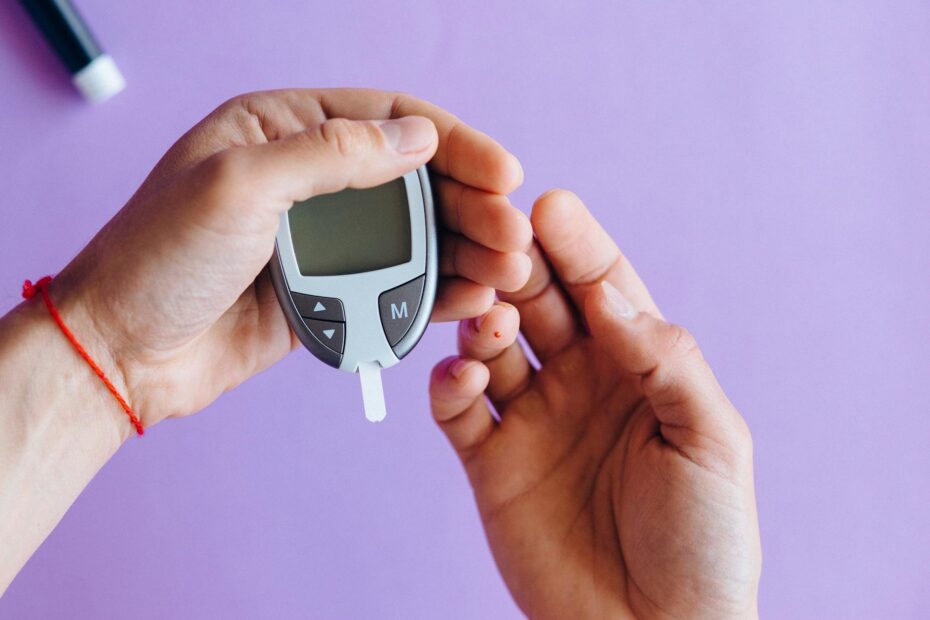
Insulin resistance is a central player in this metabolic drama, a critical ‘hit’ that often sets the stage for liver dysfunction. It’s when your body’s cells become less responsive to insulin, the hormone responsible for regulating blood sugar. This forces your pancreas to work overtime, pumping out more and more insulin to try and get glucose into your cells. The consequence? Your liver, sensing this excess insulin, ramps up its fat production and storage, laying the groundwork for non-alcoholic fatty liver disease (NAFLD).
But the story doesn’t end there. Your adipose tissue, or body fat, isn’t just a passive storage depot. It’s an active endocrine organ, releasing a complex cocktail of hormones and inflammatory signals. When this tissue becomes dysfunctional, often due to excess weight, it can flood your system with pro-inflammatory cytokines and alter beneficial hormone levels. These signals travel directly to your liver, contributing to inflammation and further fat accumulation, adding another layer to the ‘multiple-hit’ assault.
What we choose to put on our plates profoundly influences our liver health. Beyond simply consuming too many calories, specific dietary patterns are particularly damaging. Diets rich in refined sugars, high-fructose corn syrup, and unhealthy saturated and trans fats can overwhelm your liver’s metabolic capacity. These ingredients don’t just add calories; they actively promote fat synthesis in the liver, trigger oxidative stress, and fuel inflammation, creating a perfect storm for NAFLD development. Your daily food choices are powerful determinants of your liver’s fate.
Finally, we can’t ignore the role of our unique genetic blueprint. Some individuals are simply more genetically predisposed to developing NAFLD, even when facing similar environmental challenges. Specific gene variants can influence how efficiently your body processes fats, responds to insulin, or handles inflammation. And then there’s epigenetics – the fascinating way our environment can switch genes on or off without changing the underlying DNA sequence. This means your lifestyle choices can actually influence how your genes express themselves, either protecting or predisposing you to liver disease. It highlights that while our genes set a certain stage, our daily habits play a crucial role in the unfolding drama of our health.
Future-Proofing Your Liver: Actionable Steps for a Healthier You
Given the complex interplay of factors contributing to NAFLD, a proactive approach to liver health is essential. Fortunately, you have significant agency in mitigating these risks. By focusing on lifestyle modifications, you can actively support your liver and bolster your metabolic resilience.
Prioritizing a balanced diet is paramount. This means consciously reducing your intake of refined sugars, processed foods, and unhealthy fats, which we know directly contribute to liver fat accumulation and inflammation. Instead, embrace a diet rich in whole foods: plenty of fruits, vegetables, lean proteins, and healthy fats like those found in avocados and nuts. Think of it as nourishing your body with the building blocks it needs to function optimally, rather than overwhelming it with substances that promote disease.
Regular physical activity is another cornerstone of liver protection. Exercise not only helps manage weight but also improves insulin sensitivity, a critical factor in preventing NAFLD. Aim for a combination of aerobic exercise and strength training to maximize these benefits. Even moderate activity, consistently performed, can make a substantial difference in your metabolic health and, by extension, your liver’s well-being.
Furthermore, paying attention to your gut health can yield significant rewards. Incorporating probiotic-rich foods like yogurt and fermented vegetables, or considering a probiotic supplement, can help rebalance your gut microbiota. A diverse and healthy gut microbiome is increasingly recognized for its role in reducing inflammation and improving metabolic function, offering a protective shield for your liver.
Finally, managing stress and ensuring adequate sleep are often overlooked but vital components of overall health. Chronic stress and poor sleep can negatively impact hormone balance and increase inflammation, indirectly affecting your liver. Implementing stress-reduction techniques like mindfulness or yoga, and establishing a consistent sleep schedule, are powerful tools in your arsenal for long-term health and disease prevention.
Scientific References
This article was developed based on peer-reviewed research. For more detailed clinical data, please refer to the original study:
Support Our Research
If you found this evidence-based article helpful, consider supporting Dr. Julian Hayes and The Health Desk’s mission to make scientific research accessible to everyone.
☕ Support with Credit Card or Crypto
Secure payments via NOWPayments.