
The Silent Epidemic: Why Insulin Resistance Is More Than Just Blood Sugar
We often fall into the trap of viewing insulin resistance through a narrow, glucose-centric lens. You might think of it simply as a precursor to a diabetes diagnosis, but that is merely the tip of a much larger, more dangerous iceberg. When your cells stop responding to insulin, the fallout is systemic. It is not just about your blood sugar levels; it is about the quiet, cellular-level disruption of your body’s most vital functions.
Consider the breadth of this dysfunction. We are seeing clear links between this metabolic state and conditions that seem, at first glance, entirely unrelated to your pancreas. We are talking about the development of non-alcoholic fatty liver disease, the creeping decline of cognitive sharpness, and even the structural integrity of your kidneys. It is a systemic inflammatory signal that touches everything.
Why does this matter to you? Because insulin resistance acts as a common denominator in a wide spectrum of pathologies. It is a fundamental defect that can manifest as endothelial dysfunction, compromising the health of your blood vessels, or even contribute to the hormonal imbalances seen in polycystic ovary syndrome. In some cases, the chronic, low-grade inflammation associated with this resistance is even implicated in the progression of certain endocrine tumors, including breast cancer. When we address insulin sensitivity, we aren’t just managing a number on a lab report; we are potentially safeguarding your long-term health against a host of chronic, life-altering diseases.
The Science: Breaking Down the Latest Research on the Mediterranean Diet
Beyond the general advice to eat more greens, the 2020 research highlights a sophisticated molecular dialogue occurring within your cells. We are moving past the era of simple calorie counting and into the realm of nutrigenomics. Specifically, the Mediterranean diet acts as a catalyst for metabolic repair, largely due to its unique profile of polyphenols and bioactive compounds. These aren’t just passive nutrients; they are active signaling molecules.
Consider the role of the HMGA1 protein. Recent evidence suggests that the compounds found in extra-virgin olive oil, such as oleacein, may influence gene expression by interacting with this specific protein. By modulating how your genes respond to metabolic stress, these nutrients help restore the cellular sensitivity that has been lost. It is a targeted, compound-specific intervention that goes far deeper than basic weight management.
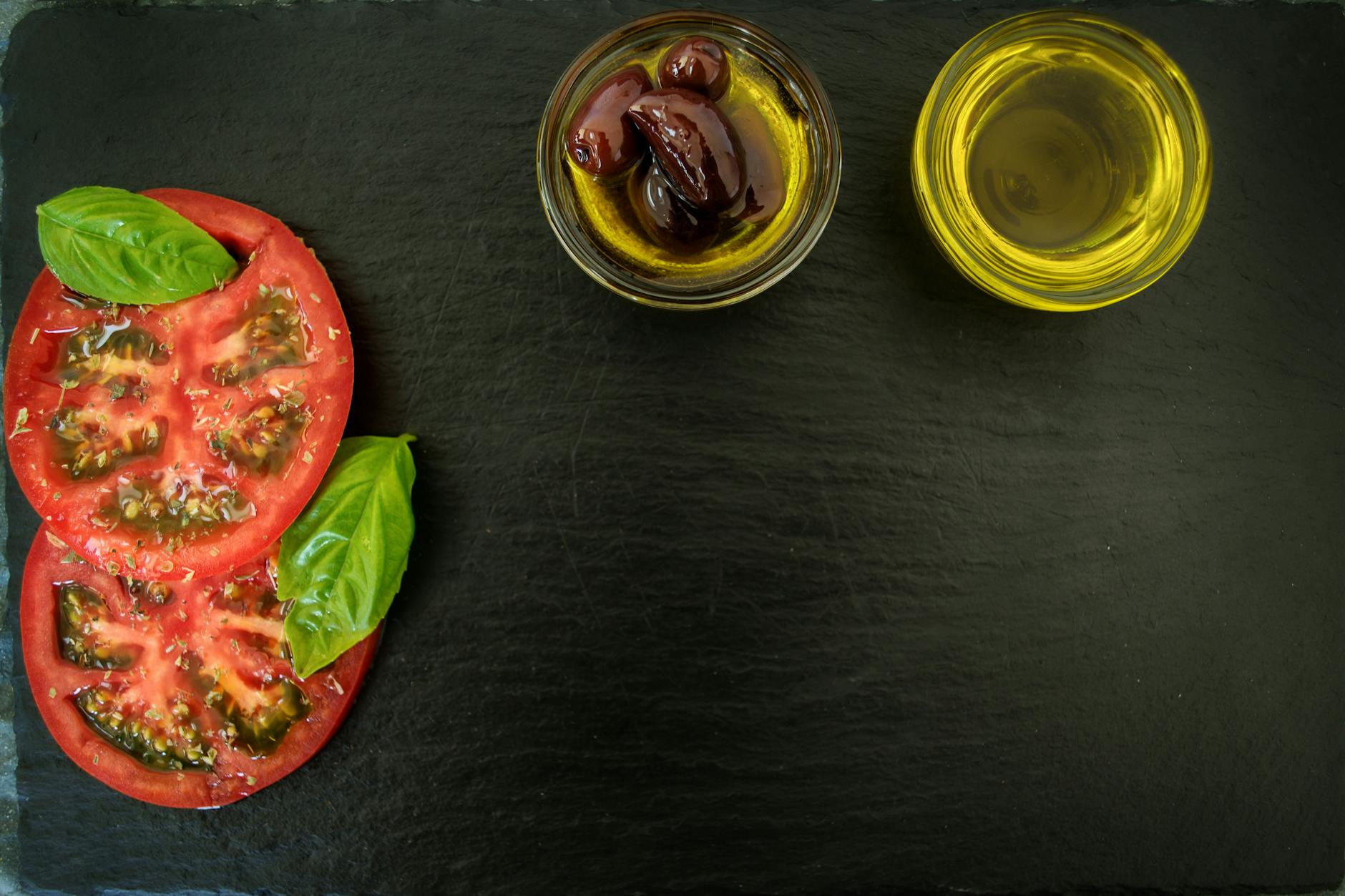
What does this mean for your plate? The research points to a synergistic effect of specific food-derived elements:
- Anthocyanins: Found in deep purple fruits and vegetables, these pigments appear to play a direct role in dampening the inflammatory pathways that trigger insulin resistance.
- Resveratrol: Sourced from grapes, this compound is being scrutinized for its ability to improve the metabolic signaling pathways that have become sluggish.
- Polyunsaturated Fatty Acids: Derived from high-quality olive oil and seeds, these fats are essential for maintaining the fluidity and responsiveness of your cell membranes.
We are witnessing a shift in how we view food—not as fuel, but as information. When you consume these specific Mediterranean staples, you are essentially sending a biochemical signal to your body to recalibrate its insulin response. While we are still mapping the full pharmacological potential of these nutrients, the data is clear: the Mediterranean pattern provides a robust, multi-pronged defense against the metabolic decay that characterizes modern chronic disease.
Beyond the Plate: How Mediterranean Nutrients Rewire Your Metabolism
We need to move past the idea that these nutrients simply “clean up” the metabolic mess. Instead, think of them as architects of a cellular renovation. When you ingest the bioactive compounds found in a Mediterranean-style regimen, you are initiating a complex, intracellular signaling cascade that fundamentally alters how your body processes energy at the genetic level.
This isn’t just about digestion; it is about metabolic reprogramming. By influencing the expression of proteins like HMGA1, these dietary components act as epigenetic switches. They essentially tell your cells to stop hoarding energy and start utilizing it efficiently again. You are not just changing what you eat; you are changing the instructions your DNA sends to your mitochondria.
Consider the following ways these nutrients exert their influence:
- Inflammatory Modulation: By dampening the production of pro-inflammatory adipocytokines, these nutrients prevent the “noise” that typically interferes with insulin signaling. When the inflammatory signal is silenced, your cells can finally hear the insulin knocking at the door.
- Membrane Fluidity: The specific polyunsaturated fatty acids found in high-quality oils and seeds integrate directly into your cell membranes. This structural change makes the membrane more pliable, allowing insulin receptors to move freely and bind more effectively.
- Signaling Restoration: Compounds like oleacein and resveratrol don’t just sit in the bloodstream; they actively participate in the phosphorylation cascades that dictate whether a cell remains insulin-sensitive or slips into resistance.
This is the frontier of modern nutrition. We are no longer looking at food as a static collection of vitamins and minerals. We are looking at a dynamic, pharmacological toolkit capable of reversing the molecular decay that leads to chronic disease. When you prioritize these specific, polyphenol-rich sources, you are actively participating in the recalibration of your own metabolic machinery. It is a profound shift in agency—you are no longer a passive recipient of your genetic predispositions, but an active participant in your own cellular health.
The Power of Polyphenols: Nature’s Secret Weapons Against Metabolic Disease
If you have ever wondered why a simple drizzle of extra-virgin olive oil or a handful of walnuts carries more weight than a generic multivitamin, the answer lies in the sheer density of polyphenols. These are not merely antioxidants that neutralize free radicals; they are sophisticated bioactive agents that dictate the pace of your metabolic health. We are talking about compounds that possess the unique ability to penetrate the cellular environment and exert influence over the very pathways that govern how you store and burn energy.
Think of these polyphenols as the body’s internal security detail. They are constantly scanning for signs of metabolic distress, specifically targeting the inflammatory markers that arise when your adipose tissue becomes overtaxed. When you consume a diet rich in these compounds, you are providing your system with the raw materials necessary to suppress the chronic, low-grade inflammation that typically blunts insulin’s message. It is a form of biological peacekeeping.
How can you harness this power in your daily routine?
- Prioritize Color Intensity: The deeper the pigment in your produce, the higher the concentration of anthocyanins. Reach for blackberries, red cabbage, and eggplant. These aren’t just aesthetic choices; they are concentrated doses of metabolic signaling molecules.
- Quality Over Quantity: Not all olive oils are created equal. You are looking for the “extra-virgin” label because it preserves the delicate, heat-sensitive polyphenols like oleacein. If the oil doesn’t have a slight peppery bite at the back of your throat, it likely lacks the potent compounds required to trigger the desired genetic response.
- The Synergy of Whole Foods: Avoid the temptation to isolate these compounds into supplements. The magic happens when resveratrol, fatty acids, and polyphenols work in concert. Your body is designed to recognize these nutrients in their natural, complex matrix, which enhances their bioavailability and efficacy.
We are beginning to understand that these compounds do more than just protect; they actively participate in the restoration of metabolic flexibility. By integrating these specific, polyphenol-rich elements into your meals, you are effectively lowering the threshold for your cells to respond to insulin. It is a quiet, consistent intervention that, over time, can turn the tide against the systemic dysfunction that defines modern metabolic disease. You are not just eating; you are providing your cells with the precise instructions they need to function at their peak.
From Olive Oil to Grapes: 4 Functional Foods to Boost Insulin Sensitivity
You have the theory, but now you need the tactical application. We are moving away from the abstract benefits of polyphenols and into the specific, tangible items you should be stocking in your pantry. These four functional powerhouses are not just ingredients; they are targeted interventions for your metabolic health.
1. Extra-Virgin Olive Oil (EVOO)
This is your primary tool for membrane health. The secret here is the presence of oleacein, a compound that acts as a potent anti-inflammatory agent. When you choose a high-quality, cold-pressed oil, you are essentially providing your cell membranes with the structural integrity they need to keep insulin receptors active and accessible. Use it raw—drizzled over finished dishes—to ensure the heat-sensitive compounds remain intact.
2. Walnuts and Raw Seeds
Think of these as your daily dose of structural repair. Beyond their healthy fat profile, nuts and seeds provide a dense matrix of micronutrients that support the signaling pathways involved in glucose uptake. A small, daily handful provides the polyunsaturated fatty acids necessary to maintain the fluidity of your cells, ensuring that the “lock and key” mechanism of insulin and its receptor doesn’t get jammed by rigid, inflamed cell walls.
3. Deeply Pigmented Berries and Grapes
The dark, vibrant hues of blackberries, blueberries, and red grapes are indicators of high anthocyanin and resveratrol content. These compounds are the “scouts” of your metabolic system. They actively seek out and neutralize the oxidative stress that typically interferes with insulin signaling. By incorporating these into your breakfast or as a snack, you are providing a steady stream of these signaling molecules to keep your metabolic pathways clear and responsive.
4. Cruciferous and Leafy Greens
While often overlooked, these are the foundation of your metabolic stability. They provide the fiber and specific phytonutrients that regulate the speed at which glucose enters your bloodstream. By slowing the rate of absorption, you prevent the massive insulin spikes that eventually lead to cellular burnout. They act as a buffer, allowing your body to manage energy intake without triggering the defensive, resistant state that characterizes metabolic dysfunction.
Integrating these four categories is not about restriction; it is about strategic inclusion. You are building a metabolic environment where your cells are primed to listen to insulin rather than ignore it. Start by swapping your cooking fats for high-quality EVOO and adding a handful of berries to your morning routine. These small, consistent shifts are the building blocks of long-term metabolic resilience.
Practical Steps to Adopt a Mediterranean Lifestyle for Long-Term Health
Transitioning to a Mediterranean-style lifestyle is rarely about a sudden, radical overhaul of your kitchen. If you attempt to change everything overnight, you will likely burn out within a week. Instead, view this as a gradual recalibration of your daily habits. The goal is to build a sustainable rhythm that makes these nutrient-dense choices the path of least resistance.
Start by auditing your current pantry. You do not need to throw everything away, but you should prioritize the “anchor” foods that provide the most metabolic return on investment. If you are accustomed to using butter or refined vegetable oils for every meal, make the switch to extra-virgin olive oil for your finishing oil. Keep it on the counter, not hidden in a dark cupboard, so it becomes the default choice for dressing salads or drizzling over roasted vegetables.
Here are three actionable ways to integrate these patterns into your life without the stress of a strict diet:
- The “One-Third” Rule: You do not need to count calories or track macros to see results. Simply aim to fill at least one-third of your plate with colorful, non-starchy vegetables at every dinner. This simple visual cue ensures you are getting the fiber and phytonutrients necessary to buffer your blood sugar response.
- Snack with Purpose: Replace processed, shelf-stable snacks with a small bowl of raw walnuts or a handful of seasonal berries. By keeping these items visible and accessible, you replace a source of metabolic inflammation with a source of metabolic signaling.
- Hydration and Ritual: If you enjoy a glass of wine, opt for a high-quality red and savor it slowly with a meal rather than consuming it in isolation. The Mediterranean approach is as much about the context of eating—slowing down and enjoying the process—as it is about the specific nutrients on the plate.
Consistency is the secret ingredient here. You are not looking for a temporary fix; you are looking to shift your body’s baseline. When you make these small, incremental changes, you allow your system to adapt to a higher quality of fuel. Over time, your palate will shift, and you will find yourself craving the vibrant, fresh flavors of whole foods rather than the muted, processed alternatives. This is how you move from merely managing your health to actively cultivating it, one meal at a time.
Scientific References
This article was developed based on peer-reviewed research. For more detailed clinical data, please refer to the original study:
- Study: Mediterranean Diet Nutrients to Turn the Tide against Insulin Resistance and Related Diseases. (2020)
Support Our Research
If you found this evidence-based article helpful, consider supporting Dr. Julian Hayes and The Health Desk’s mission to make scientific research accessible to everyone.
☕ Support with Credit Card or Crypto
Secure payments via NOWPayments.